Does zinc deficiency cause hair loss? The Abundant evidence check

Updated September 2026 · fact-checked by the Abundant Research Team. We are an independent information resource, not a medical provider; this article is educational, not medical advice.
Zinc deficiency can cause hair loss, but it is a far less common trigger than the internet makes it sound. When zinc runs genuinely low, the body slows the protein synthesis and cell division that follicles depend on, and shedding can follow — yet in most people worried about thinning, zinc is not the culprit at all. This Abundant fact-check separates the real evidence from the myth and shows where zinc’s modest supporting role actually fits.
Does low zinc cause hair loss?
- The honest verdict
- Only genuine zinc deficiency causes hair loss — and it is an uncommon cause overall.
- What it looks like
- Diffuse shedding or thinning, usually with non-hair signs like slow healing and taste changes.
- The catch
- If your zinc is normal, extra zinc will not regrow hair — and mega-doses can backfire.
- How to be sure
- A blood test, not a hair-strand test, is the only reliable way to confirm low zinc.
“My hair is falling out, it must be a zinc deficiency” is one of the most repeated ideas in online hair forums. Below we cover what zinc does, what the evidence really shows about low zinc and shedding, the other clues that point to deficiency, and where zinc sensibly fits in a formula like Abundant. For the wider picture, see our guide to vitamins and minerals for hair.

What does zinc actually do for hair?
Zinc is an essential trace mineral the body uses for the protein synthesis, cell division and enzyme activity that fast-growing tissues — hair, skin and nails among them — rely on every day. The follicle is one of the busiest structures in the body, manufacturing keratin continuously, so it is sensitive to a shortfall in the nutrients that fuel that work. Zinc also helps regulate follicle turnover and supports the oil glands around it — the mechanistic reason a genuine deficiency can show up in your hair.
Why does a shortage show up in the hair at all?
When any essential nutrient runs short, the body triages it toward vital organs first and non-essential tissues like hair last. If zinc is scarce for long enough, follicles can shift prematurely into shedding — the diffuse thinning that nutritional deficiencies tend to cause, and the same broad mechanism behind low iron and hair changes.
Does zinc deficiency cause hair loss, according to the evidence?
The honest answer is that zinc deficiency can cause hair loss, but only when the deficiency is real and usually only when it is significant or prolonged. Case reports and clinical reviews consistently link severe zinc deficiency — from bariatric surgery, eating disorders, poor absorption or rare genetic conditions — to shedding that improves once zinc is restored. Some studies also find lower average zinc levels in groups with certain hair-loss patterns, such as telogen effluvium and alopecia areata. That association is where the myth grows legs.
The important caveat is that association is not cause. Most common thinning — male and female pattern hair loss above all — is driven by genetics and hormones, not a mineral gap, and giving zinc to people whose levels are already normal has not been shown to regrow hair. In short: correct a true deficiency and hair can recover; chase a phantom one and you treat the wrong problem.
What are the other signs of low zinc?
Zinc deficiency almost never shows up as a hair problem alone, which is one of the most useful ways to tell it apart from ordinary shedding. Because zinc supports skin, immunity and the senses, a real shortfall usually arrives with a cluster of clues. If hair in the shower is your only symptom and nothing else here fits, low zinc is unlikely — look instead at stress, illness, rapid weight loss, thyroid issues or genetics.
| Sign | What it can look like | Points toward low zinc? |
|---|---|---|
| Hair | Diffuse thinning or increased shedding | Possible, but non-specific |
| Skin & wounds | Slow-healing cuts, rashes, dry patches | Stronger clue |
| Taste & smell | Blunted or altered sense of taste or smell | Stronger clue |
| Immunity | More frequent or lingering infections | Supportive clue |
| Nails | White spots, brittleness, slow growth | Supportive clue |
| Appetite | Reduced appetite, poor growth in children | Supportive clue |
See the exact zinc dose in Abundant →
Cover the gaps, not the myths
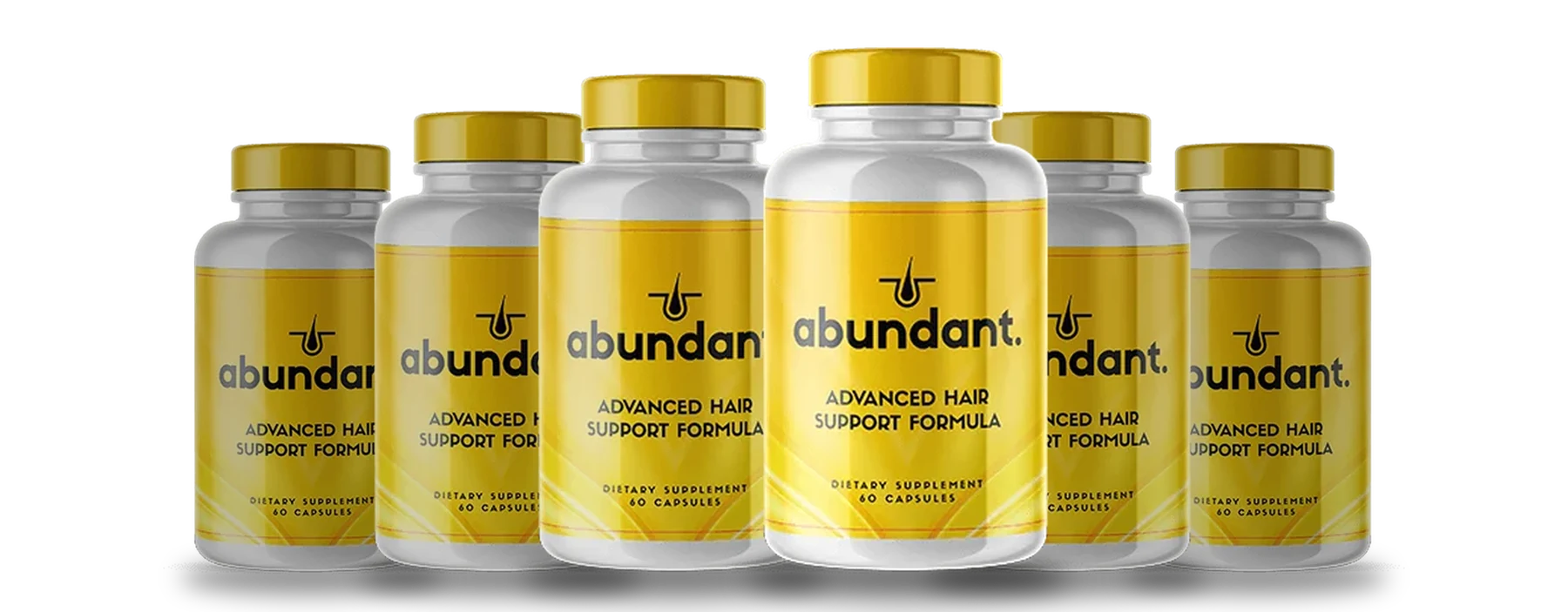
Abundant pairs zinc with biotin, iodine, selenium and vitamins A, C and E — a sensible top-up, not a high-dose fix. The six-bottle bundle is best value at $49 per bottle, with free U.S. shipping and a 60-day guarantee.
Check today’s Abundant pricing — from $49/bottleHow much zinc do you need, and can too much backfire?
More zinc is not better, and this is where well-meaning self-treatment goes wrong. For adults the recommended dietary allowance is roughly 11 mg a day for men and 8 mg for women, while the tolerable upper limit from all sources is 40 mg. Sitting on high-dose zinc for months can push you over that ceiling and interfere with copper absorption — and copper deficiency is itself linked to hair changes. In other words, over-correcting an imaginary deficiency can create a real one.
| Group | Recommended daily zinc | Upper limit (all sources) |
|---|---|---|
| Adult men | 11 mg | 40 mg |
| Adult women | 8 mg | 40 mg |
| Pregnancy | 11 mg | 40 mg |
| Breastfeeding | 12 mg | 40 mg |
| Teens 14–18 | 9–11 mg | 34 mg |
The comfortable way to hit these numbers is food: oysters, beef, crab, pumpkin seeds, chickpeas, cashews and whole grains all contribute. A modest supplemental amount is reasonable insurance for busy weeks or restricted diets — a mega-dose taken on a hunch is not.

How do you actually know if you are zinc deficient?
You cannot diagnose zinc deficiency from your hairbrush, and hair-strand mineral tests sold online are not a reliable way to assess zinc status. The practical route is a healthcare professional who can order a plasma or serum zinc blood test and weigh it against your diet, symptoms and any conditions — gut disorders, bariatric surgery, heavy alcohol use — that reduce absorption. Because no single test is perfect, diagnosis blends the lab number with the clinical picture. If you are shedding and unsure why, that assessment beats guessing and protects you from treating a deficiency you do not have.
What if the test comes back normal?
A normal zinc result is good news: you can stop chasing that cause and look at the likelier ones. Telogen effluvium after illness, surgery, childbirth or crash dieting resolves on its own over months; pattern hair loss responds to its own approaches; and gentle routine changes reduce breakage that masquerades as loss. Our guide to what causes hair thinning walks through those alternatives.
Where does zinc fit in the Abundant formula?
Abundant treats zinc the way the evidence suggests: as one supporting nutrient at a sensible top-up level, not a mega-dose sold as a cure. Abundant is a once-daily capsule that lists zinc alongside biotin, iodine, selenium and vitamins A, C and E, plus botanicals such as saw palmetto and horsetail, so it helps fill everyday dietary gaps rather than override genetics or hormones. It is meant to complement a nutrient-rich plate and gentle hair care — the exact amount is on the current supplement facts label — and it makes no claim to treat hair loss. For the mineral’s mechanics in depth, see our companion article on zinc for hair growth.
Check today’s Abundant pricing →
The bottom line
Does zinc deficiency cause hair loss? Yes — but only when the deficiency is real, and for most people worried about shedding it is not the cause. Zinc earns a place in a hair-friendly diet and a modest role in a balanced supplement, yet it is not a regrowth treatment and more is not better. Confirm low zinc with a blood test before you act, keep intake within safe limits, and treat a formula like Abundant as insurance alongside good food and gentle care.
Frequently asked questions
Does zinc deficiency really cause hair loss?
Yes, but only when zinc is genuinely low. Severe or prolonged zinc deficiency can disrupt the protein synthesis and cell division that hair follicles depend on, and shedding is a recognised sign. In people with normal zinc levels, however, low zinc is not the cause of their thinning, and taking extra zinc will not fix it.
What are the hair symptoms of low zinc?
Zinc deficiency is most often linked with diffuse thinning or increased shedding rather than patchy bald spots, and it usually appears alongside non-hair signs such as slow-healing skin, a poor sense of taste or smell, and more frequent infections. Because the hair pattern is non-specific, low zinc can only be confirmed with a blood test, not by looking at hair alone.
Will taking zinc regrow my hair?
Only if a deficiency was the underlying problem. When someone who is truly low in zinc restores normal levels, hair often recovers over the following months. When zinc levels are already normal, studies have not shown that extra zinc speeds hair growth, and mega-dosing can actually backfire by interfering with copper.
How much zinc is safe to take each day?
For adults the recommended dietary allowance is about 11 mg a day for men and 8 mg for women, and the tolerable upper limit from all sources combined is 40 mg. Staying within that range is sensible, because long-term high doses can cause copper deficiency, which is itself associated with hair and other problems.
How is zinc deficiency diagnosed?
A healthcare professional can order a plasma or serum zinc blood test and review your diet, symptoms and any conditions that reduce absorption. Because no single test is perfect, diagnosis combines the result with the clinical picture rather than hair analysis, which is not a reliable way to assess zinc status.
How does zinc fit into the Abundant formula?
Abundant lists zinc among its labelled minerals alongside biotin, iodine, selenium and vitamins A, C and E, at a top-up level meant to fill everyday dietary gaps rather than deliver a high dose. Check the current supplement facts panel for the exact amount, and treat it as support alongside a varied diet, not a treatment for hair loss.
Try Abundant risk-free for 60 days →
Abundant is a dietary supplement, not a treatment for any medical condition, including hair loss. These statements have not been evaluated by the Food and Drug Administration. This product is not intended to diagnose, treat, cure or prevent any disease. Always consult a qualified healthcare professional about your individual needs.
References & further reading
- National Institutes of Health, Office of Dietary Supplements. Zinc — Fact Sheet for Health Professionals. ods.od.nih.gov/factsheets/Zinc-HealthProfessional
- Kil MS, Kim CW, Kim SS. Analysis of serum zinc and copper concentrations in hair loss. Ann Dermatol / PubMed. pubmed.ncbi.nlm.nih.gov/24371385
- Almohanna HM, Ahmed AA, Tsatalis JP, Tosti A. The Role of Vitamins and Minerals in Hair Loss: A Review. Dermatol Ther (Heidelb) / PubMed. pubmed.ncbi.nlm.nih.gov/30547302
- MedlinePlus, U.S. National Library of Medicine. Zinc in diet. medlineplus.gov/ency/article/002416.htm
- Examine.com. Zinc — evidence-based summary. examine.com/supplements/zinc
These references describe zinc and hair in general terms and are not evidence that any product treats, cures or prevents hair loss or any other condition.
Keep reading: zinc for hair growth · vitamins and minerals for hair · the Abundant blog.