What causes hair thinning? An Abundant explainer on the everyday factors

Updated September 2026 · reviewed by the Abundant Research Team. We are an independent information resource, not a medical provider, and this article is educational rather than medical advice.
Hair thinning is a gradual reduction in the density or diameter of hair, so the scalp shows through more and a ponytail feels slimmer. Most everyday thinning is driven by a mix of genetics, hormones and ageing, then nudged along by habits like heat styling, tight styles, stress and a diet short on key nutrients. This Abundant explainer walks through what causes hair thinning, which factors you can actually influence, and where a nutrient-focused routine fits in.
Why hair thins, in one place.
- The baseline
- Genetics, hormones and ageing set how thick hair is and how it changes over time.
- The everyday adders
- Heat, tight styles, harsh brushing and prolonged sun add mechanical wear.
- The temporary trigger
- A big stressor, illness or crash diet can push extra hairs into shedding for a few months.
- The nutrient angle
- Low protein, iron or zinc can show up in hair; a varied diet supplies the raw materials.
If you take one idea from this explainer, make it this: several causes usually overlap, so the useful question is not “what is the one reason?” but “which factors can I influence?” Below we separate the fixed baseline from the everyday factors you can change, and show where a daily capsule such as Abundant fits.

What does “hair thinning” actually mean?
Hair thinning describes a visible drop in fullness that comes either from fewer hairs on the scalp or from each strand growing finer, or both. It is not the same as sudden bald patches, and it differs from the normal shedding of 50 to 100 hairs a day that everyone experiences. A healthy scalp holds around 100,000 follicles, each cycling through growing, transitional and resting phases, so a small shift in that balance changes how dense hair looks.
What causes hair thinning day to day?
Everyday hair thinning is usually the sum of small, repeated factors rather than one dramatic cause. Mechanical wear from styling, the growth cycle, stress and diet all feed into how thin hair looks — and unlike genetics, most of these are within your control.
Is heat styling thinning my hair?
High heat can weaken the hair shaft and cause breakage that reads as thinning, even when the follicle itself is healthy. Repeated blow-drying, straightening and curling at high temperatures, especially on damp hair, damages the protective cuticle and leaves strands prone to snapping mid-length. This does not shrink the follicle, but broken hairs make the whole head look sparser. Lower temperatures and a few no-heat days a week reduce the wear.
Does stress cause hair to thin?
A major physical or emotional stressor can trigger telogen effluvium, a temporary pattern where more hairs than usual shift into the resting phase and shed a few months later. Illness, surgery, childbirth, rapid weight loss or a period of intense strain are common triggers, and the shedding typically appears two to three months after the event. The reassuring part is that it is usually self-limiting: once the trigger passes, density generally recovers over the following months.
Can my diet cause thinning hair?
Diet is one of the more influenceable factors behind thinning hair. Because hair is a non-essential tissue, the body deprioritises it when nutrients are short, so restrictive or very low-calorie diets and low intakes of protein, iron or zinc can show up in the hair first. This is not about exotic superfoods; it is about consistently supplying the building blocks follicles rely on. Our companion guide to the best foods for healthy hair covers the whole-food side in detail.

| Cause | How it thins hair | Can you influence it? |
|---|---|---|
| Genetics & hormones | Follicles gradually miniaturise over years | Not directly — but habits still help |
| Ageing | Finer strands, slower growth, more resting follicles | Partly, through care and nutrition |
| Heat & styling | Breakage of the hair shaft | Yes — lower heat, gentler handling |
| Tight styles | Tension on the follicle over time | Yes — looser styles, variety |
| Stress / illness | More hairs shift to shedding (temporary) | Partly — recovery, sleep, patience |
| Diet shortfalls | Low protein, iron or zinc affects the cycle | Yes — varied diet, sensible top-up |
See the exact nutrient dose in Abundant →
Does ageing cause hair to thin?
Some thinning with age is a normal, near-universal part of getting older. Over the decades individual strands grow finer, the growth phase shortens, and more follicles sit in the resting phase, so hair looks less dense in your forties, fifties and beyond. Greying and thinning often arrive together as pigment cells wind down. None of this is a sign of illness in itself. Good nutrition and gentle care will not stop the clock, but they help hair look its best at every age.
How do hormones and genetics factor in?
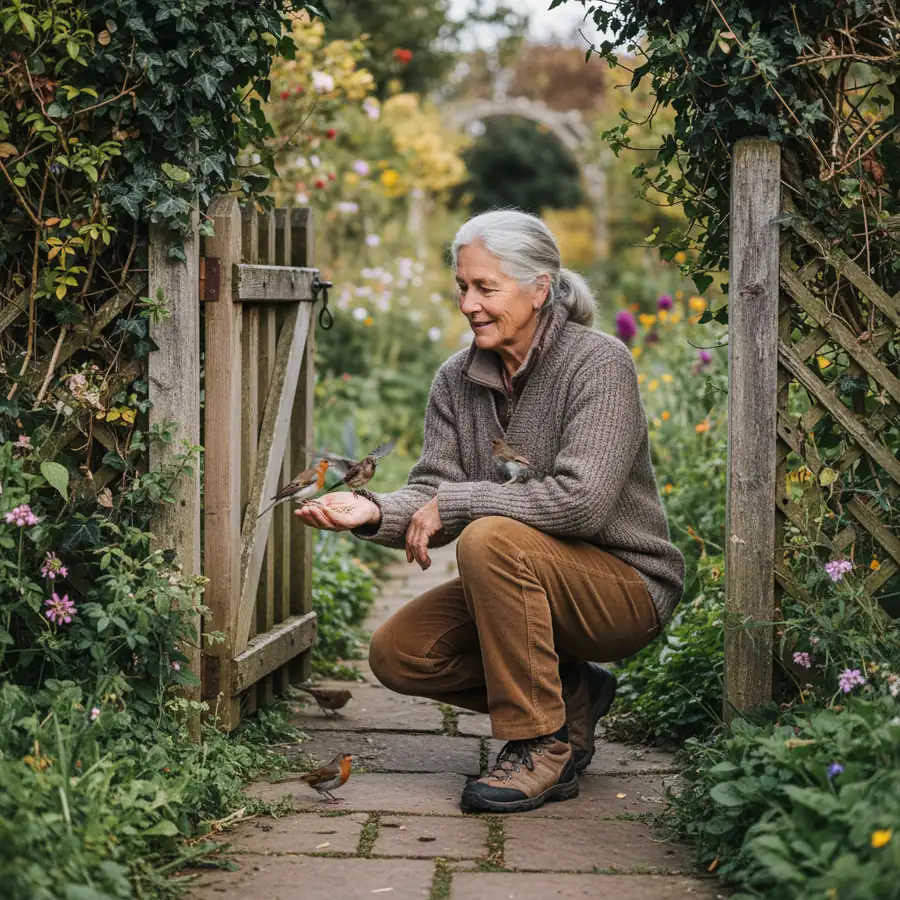
Hereditary, hormone-linked thinning is the single most common cause of reduced density in adults. Often called androgenetic or pattern thinning, it runs in families and is influenced by the way follicles respond to normal hormones over time, causing them to shrink and produce progressively finer hairs. It follows recognisable patterns — a widening part in women, a receding line or crown in men. This baseline is not something diet or styling creates or cures, but everyday factors sit on top of it, which is why managing the things you can influence still matters. A sudden, patchy or rapidly progressing change, by contrast, is worth reviewing with a qualified clinician.
Support the nutrient side of the story
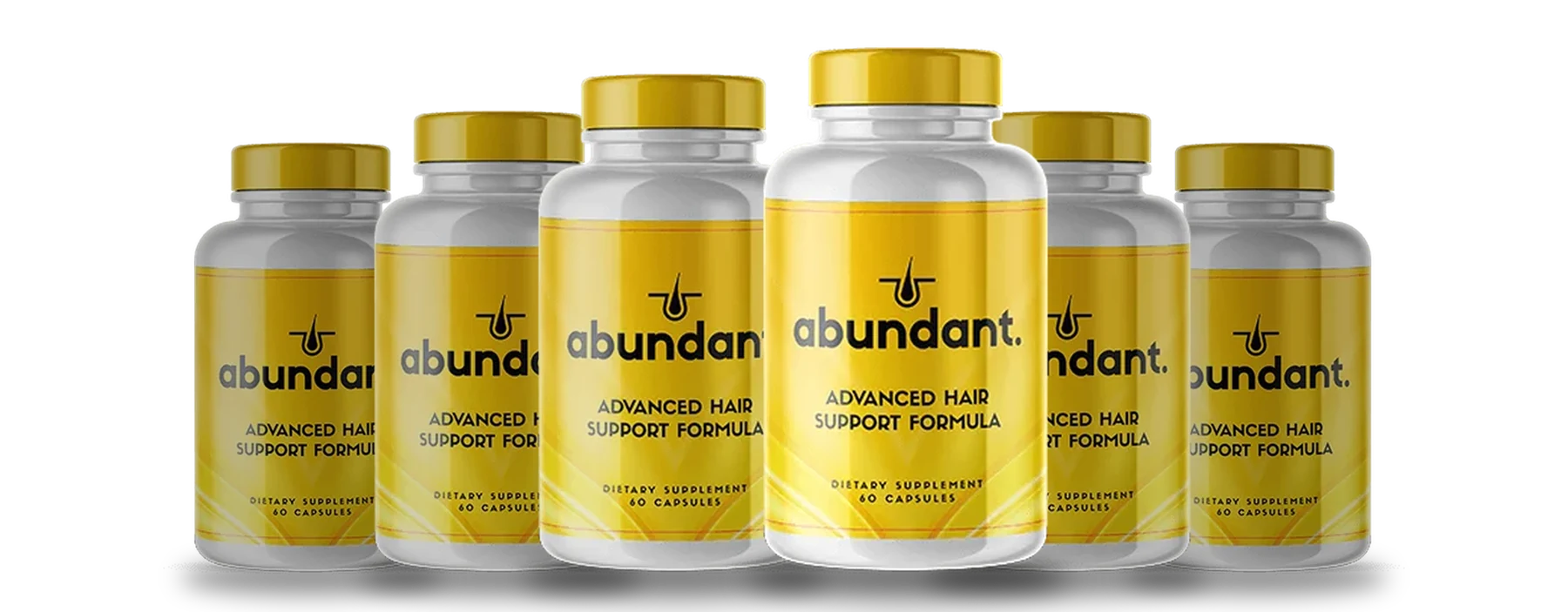
Abundant is a once-daily capsule pairing biotin and zinc with hair-focused vitamins. The six-bottle bundle is the best value at $49 per bottle, with free U.S. shipping and a 60-day guarantee — check today's Abundant pricing.
Order Abundant — from $49/bottleWhich nutrients support normal hair?
A handful of vitamins and minerals have recognised roles in maintaining normal hair, and running short on them is one of the more fixable contributors to thinning. Biotin and zinc support keratin production, iron carries oxygen to the follicle, and vitamins A, C and E play parts in scalp health, collagen and antioxidant defence. Filling these gaps will not override genetics, but it removes a common, avoidable drag. Our vitamins and minerals for hair guide goes deeper.
| Nutrient | Role in normal hair | Everyday sources |
|---|---|---|
| Protein | Keratin building blocks | Eggs, fish, poultry, beans, yoghurt |
| Iron | Oxygen delivery to follicles | Red meat, shellfish, lentils, spinach |
| Zinc | Protein synthesis & repair | Oysters, beef, pumpkin seeds, chickpeas |
| Biotin (B7) | Keratin infrastructure | Eggs, nuts, seeds, whole grains |
| Vitamin C | Collagen & iron absorption | Citrus, berries, peppers, kiwi |
| Vitamin E | Antioxidant defence | Almonds, sunflower seeds, avocado |
How can a daily routine support thinner-looking hair?
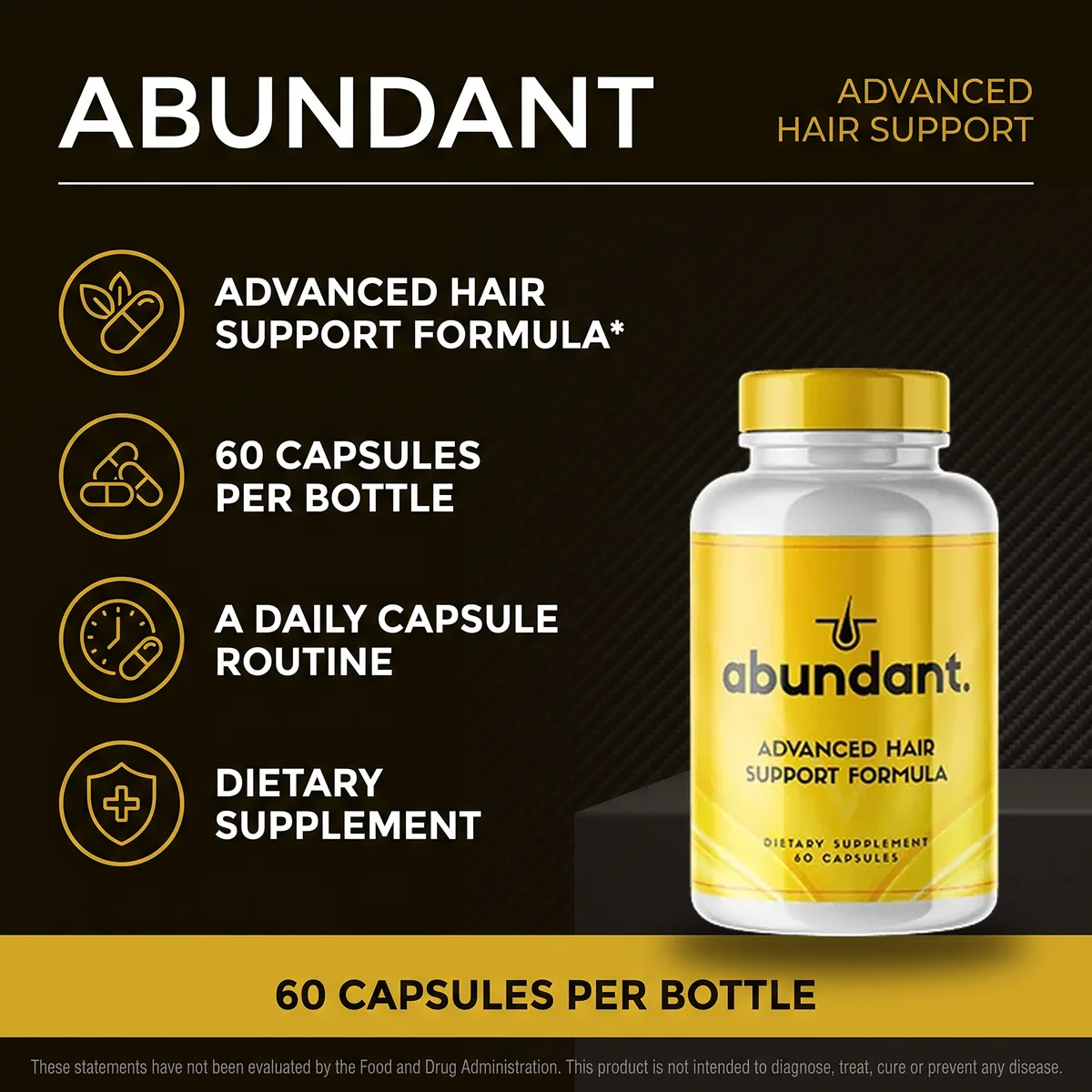
Because everyday thinning has several inputs, the sensible response is a routine that touches each of the ones you can influence rather than a single miracle fix: gentler styling with less heat and tension, managing stress, and eating a varied diet with protein and key minerals at most meals. A supplement fits into that picture as a convenient top-up of the nutrients hair relies on — not a replacement for real food and not a treatment for genetic thinning. Abundant is built around this role, combining biotin, zinc, vitamins A, C and E, pantothenic acid, iodine and selenium with botanicals such as saw palmetto and horsetail in one daily capsule. Our guide to getting thicker hair naturally pulls the habits together.
The bottom line
What causes hair thinning is rarely one thing. A genetic, hormone-linked baseline and the normal changes of ageing set the stage, while heat, tension, stress and diet shortfalls decide how thin hair looks day to day. The good news is that the everyday factors are the influenceable ones: gentler care, a resolved stressor and a nutrient-rich plate all help, and a daily capsule such as Abundant can top up the gaps. Treat any sudden or patchy change as a reason to see a clinician, and give real changes several months to show.
Frequently asked questions
What is the most common cause of hair thinning?
For most adults the most common cause is hereditary, age-related thinning — often called androgenetic or pattern thinning — which is influenced by genetics and hormones. Everyday factors such as heat styling, tight styles, stress, crash diets and nutrient shortfalls can add to how thin hair looks on top of that baseline. Because several causes often overlap, it is worth reviewing habits and diet before assuming any single reason.
Can stress really cause hair to thin?
Yes. A significant physical or emotional stressor — illness, surgery, childbirth or major life events — can push more hairs than usual into the shedding phase, a pattern called telogen effluvium. It typically shows up two to three months after the trigger and is usually temporary, with hair recovering once the stressor passes. Persistent shedding is worth discussing with a clinician.
Does diet affect hair thinning?
It can. Very low-calorie or restrictive diets, and low intakes of protein, iron or zinc, are linked with more hair shedding in some people. Hair is a low priority tissue for the body, so shortfalls can show there first. A varied diet with enough protein and key minerals gives follicles the raw materials they need, which is the idea behind a nutrient top-up such as Abundant.
Is hair thinning with age normal?
Some thinning with age is very common. Individual strands tend to get finer over time, growth slows and the proportion of resting follicles rises, so hair can look less dense in your forties, fifties and beyond. This is a normal part of ageing for many people rather than a sign of illness, though a sudden or patchy change is worth checking.
Can a supplement stop hair thinning?
No supplement stops or reverses genetic thinning, and any product that claims to should be treated with caution. What a nutrient blend can sensibly do is help fill dietary gaps in the vitamins and minerals that support normal hair. Abundant is designed as a daily top-up alongside a good diet and gentle hair care, not as a treatment for any condition.
How long before thinner hair looks fuller again?
Hair grows slowly, roughly a centimetre a month, so any change — better diet, gentler styling, a resolved stressor — takes weeks to months to show at the visible length. Temporary shedding often improves over three to six months. Consistency is what counts, and individual results vary widely.
Check today's Abundant pricing — risk-free for 60 days →
Abundant is a dietary supplement, not a treatment for any medical condition. These statements have not been evaluated by the Food and Drug Administration. This product is not intended to diagnose, treat, cure or prevent any disease. Always consult a qualified healthcare professional about your individual needs.
References & further reading
- Mayo Clinic. Hair loss — Symptoms & causes. mayoclinic.org/diseases-conditions/hair-loss
- National Institutes of Health, Office of Dietary Supplements. Iron — Fact Sheet for Health Professionals. ods.od.nih.gov/factsheets/Iron-HealthProfessional
- National Institutes of Health, Office of Dietary Supplements. Zinc — Fact Sheet for Health Professionals. ods.od.nih.gov/factsheets/Zinc-HealthProfessional
- Malkud S. Telogen Effluvium: A Review. J Clin Diagn Res. 2015. Malkud 2015, J Clin Diagn Res — PubMed 26500992
- Guo EL, Katta R. Diet and hair loss: effects of nutrient deficiency and supplement use. Dermatol Pract Concept. 2017. Guo & Katta 2017, Dermatol Pract Concept — PubMed 28243487
These references describe hair, nutrients and general causes of thinning and do not constitute evidence that any product treats, cures or prevents any condition.
Keep reading: how to reduce hair shedding naturally · best foods for healthy hair · back to the Abundant blog · read the Abundant review.