How to reduce hair shedding naturally: gentle daily steps with Abundant

Updated September 2026 · reviewed by the Abundant Research Team. We are an independent information resource, not a medical provider, and this article is educational rather than medical advice.
Reducing hair shedding naturally means cutting the avoidable, breakage-driven hair fall — through gentler handling, kinder ties and a nutrient-rich plate — while a steady routine keeps the follicle well supplied. This guide walks through the everyday steps that make the biggest difference to visible shedding, and shows where a daily capsule like Abundant fits alongside them.
How to see less everyday hair fall, honestly.
- Handle gently
- Detangle wet hair with a wide-tooth comb from the ends up, and ease off heat and hard brushing.
- Loosen the tension
- Swap tight elastics for soft, snag-free ties and give your hair tension-free days.
- Feed the follicle
- Protein at each meal plus iron, zinc and key vitamins from a varied, colourful plate.
- Stay consistent
- A once-daily capsule such as Abundant tops up the gaps — give any routine several months.
Finding hair on your pillow, in the shower drain or wound around your brush is one of the most common worries people bring to a bathroom mirror. The reassuring news is that a good deal of what looks like alarming shedding is actually normal turnover plus a layer of avoidable breakage — and the breakage is the part you can influence today. Below we separate normal shedding from the kind worth acting on, then work through the gentle, evidence-led habits that reduce it. For the product side of the story, you can also read our full Abundant review.
How much hair shedding is normal?
Normal hair shedding is the loss of roughly 50 to 100 hairs a day, part of a natural cycle in which each strand grows, rests and is eventually released so a new one can take its place. Seeing those hairs collect on a brush or in the drain is expected rather than a red flag. What matters is not any single day's count but a sustained change: hair that suddenly comes out in noticeably larger amounts, thins at the parting or the temples, or fails to grow back over months is worth a conversation with a doctor. This article is about the everyday, lower-grade shedding that most people can gently reduce — not about diagnosing a medical condition.
Is it shedding or breakage?
It helps to tell the two apart. A shed hair usually has a small pale bulb at the root, having completed its cycle. A broken hair is snapped somewhere along its length, with no bulb, and is the fingerprint of friction, heat and tension — exactly the causes you can act on. If the strands on your brush are mostly short, uneven fragments, breakage is likely doing a lot of the work, and gentler handling will help quickly.
How to reduce hair shedding naturally with everyday habits
Reducing hair shedding naturally starts with removing the small, repeated stresses that break strands before their time. None of the steps below are dramatic, but stacked together across a week they meaningfully cut the hair you lose to friction and pulling. The table sums up the highest-impact swaps, and the sections that follow explain the why.
| Everyday habit | Why it drives shedding | Gentler swap |
|---|---|---|
| Brushing wet hair hard | Wet hair stretches and snaps more easily | Wide-tooth comb, from the ends upward |
| Daily high heat | Heat weakens the strand and cuticle | Lower settings, heat protectant, air-dry days |
| Tight ponytails & buns | Constant tension pulls at the follicle | Loose styles, soft snag-free ties |
| Rough towel-drying | Friction lifts and breaks the cuticle | Blot with a soft or microfibre towel |
| Cotton pillowcases | Drag and friction overnight | Satin or silk pillowcase, loose night braid |
How you handle your hair matters most
Gentle handling is the single most effective way to reduce avoidable shedding, because the majority of everyday hair fall on a brush is breakage rather than true loss. Hair is weakest when wet, so the shower and the minutes after it are where most damage happens. Detangle with a wide-tooth comb starting at the ends and working slowly upward, rather than raking from the roots and dragging knots down the length. Blot with a soft towel instead of rubbing, and let hair dry partway before you comb it.
Does heat styling increase shedding?
Repeated high heat weakens the cuticle, the protective outer layer of each strand, which makes hair more likely to snap during ordinary brushing and styling. You do not have to abandon your tools — the win is in moderation. Use the lowest setting that gets the job done, always apply a heat protectant, and build in a couple of air-dry days each week. Over a month those small changes noticeably reduce the short, broken fragments that show up in the sink.

Do hair ties and tight styles cause shedding?
Persistent tension from tight ponytails, buns and braids can pull on the hair and, sustained over long periods, stress the follicle itself. The everyday fix is loosening up: choose soft, snag-free ties over thin elastics with metal clasps, wear your style a little looser, and vary where the tension sits rather than parting and pulling the same way every day. Give your hair regular tension-free days when it is simply down or loosely clipped. If you often sleep with hair tied back, a loose braid on a satin pillowcase reduces both tension and overnight friction at once.
What about washing and product build-up?
How you wash matters more than how often. Massage shampoo into the scalp with your fingertips rather than piling long hair on top and scrubbing it into knots, and let conditioner do the detangling work before a comb goes anywhere near. A calm, clean scalp is a comfortable base for hair to grow from; harsh scrubbing and very hot water simply add friction. There is no need to chase squeaky-clean — gentle and consistent beats aggressive and occasional.
Keep the routine steady
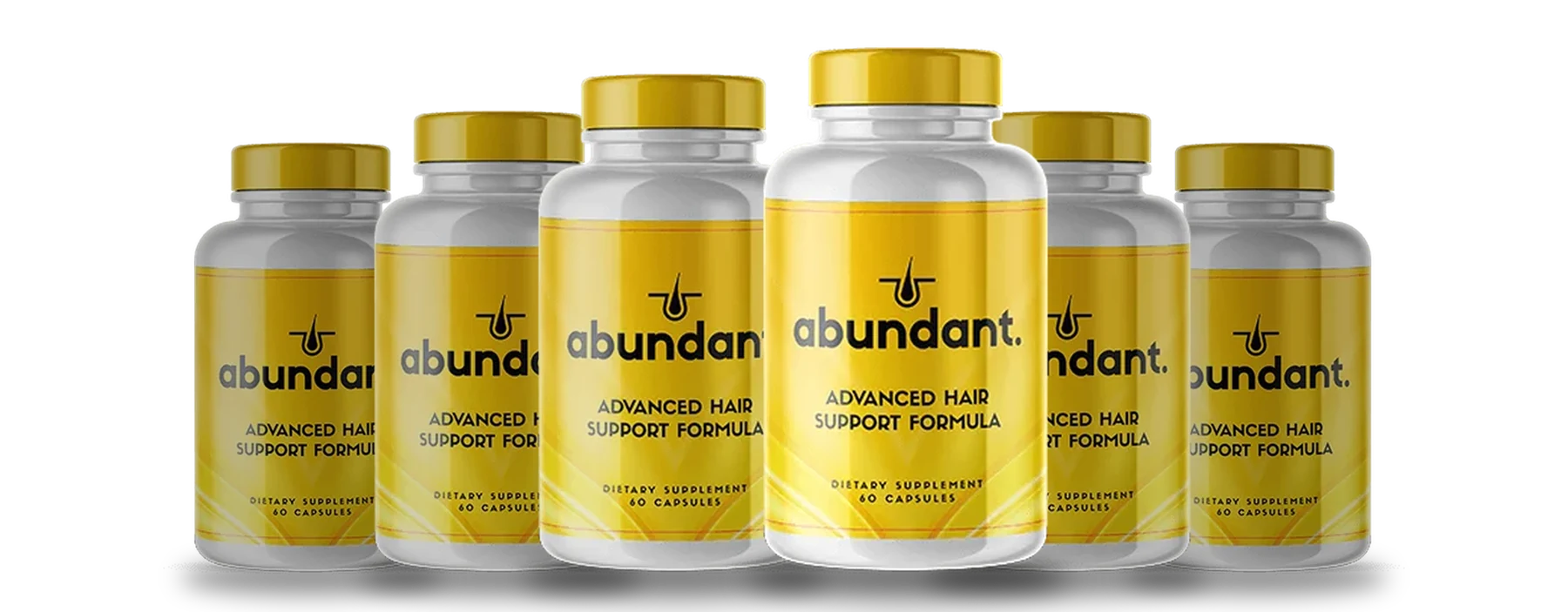
Abundant is a once-daily capsule pairing biotin and zinc with hair-focused vitamins — an easy way to keep the follicle supplied while you settle into gentler habits. The six-bottle bundle is the best value at $49 per bottle, with free U.S. shipping and a 60-day guarantee.
Check today’s Abundant pricing — from $49/bottleWhat to eat to reduce hair shedding
Diet supports steadier hair growth because the follicle is built from protein and depends on iron, zinc and several vitamins to do its work. A plate chronically short of these can, over time, show up in the hair, so the goal is variety with a protein source at every meal and regular iron- and zinc-rich foods. Diet will not switch off the natural shedding cycle, but it gives the follicle the raw materials to keep replacing what it loses. The table below maps the nutrients that come up most in hair nutrition to the everyday foods that supply them.
| Nutrient | Why the follicle needs it | Everyday foods |
|---|---|---|
| Protein | Keratin, the material hair is built from | Eggs, fish, poultry, beans, lentils, yoghurt |
| Iron | Oxygen delivery to the follicle | Red meat, shellfish, lentils, spinach, tofu |
| Zinc | Tissue growth and repair | Oysters, beef, pumpkin seeds, chickpeas |
| Vitamin C | Collagen and better iron absorption | Citrus, berries, peppers, kiwi |
| Biotin & B-group | Everyday energy metabolism in the follicle | Eggs, whole grains, nuts, leafy greens |
A simple habit worth remembering: pair plant iron with a vitamin-C food — lentils with peppers, or spinach with a squeeze of citrus — because it meaningfully improves how much iron your body absorbs. For a deeper dive on the plate, see our guide to the best foods for healthy hair, and for the nutrient detail our overview of vitamins and minerals for hair.
Where Abundant fits into a low-shedding routine
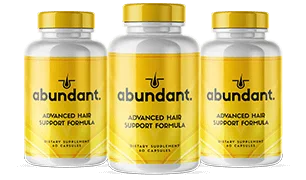
A supplement fits a low-shedding routine as a convenient top-up of the nutrients hair relies on, not as a treatment for hair loss and not as a replacement for real meals. Even a good diet has gaps — busy weeks, travel and fussy appetites all leave shortfalls — and that is the sensible role for a daily capsule. Abundant is built around this idea, combining biotin, zinc, vitamins A, C and E, pantothenic acid, iodine and selenium with botanicals such as saw palmetto and horsetail in one capsule taken with a meal, so the fat-soluble vitamins are well absorbed. You can see the exact dose in Abundant on the supplement facts panel; think of it as insurance alongside your plate and your gentler handling, not a shortcut around them.
Lifestyle: sleep, stress and the scalp
The follicle is sensitive to the rest of your health, so sleep, stress and scalp comfort all play a supporting part in how much hair you shed. Significant physical or emotional stress can temporarily push more hairs into the shedding phase — a pattern that typically settles on its own — which is why protecting your sleep and managing stress are quietly worthwhile for hair as well as everything else. Keep the scalp comfortable rather than irritated, stay hydrated, and be patient: because hair grows only about a centimetre a month, the payoff from better habits shows up gradually rather than overnight.

See the exact dose in Abundant →
The bottom line
You reduce hair shedding naturally by removing avoidable breakage and feeding the follicle: comb wet hair gently, ease off heat, loosen tight ties, eat a varied plate with protein at every meal, and protect your sleep. A daily capsule such as Abundant can top up the nutrient gaps, but it works as a partner to those habits rather than a substitute for them. Give any routine several months, judge it on the trend rather than a single day's brush, and see a doctor if shedding is sudden, patchy or persistent.
Shedding only makes sense once you know what phase the hair was in when it fell. Roughly one hair in ten is in the resting phase at any moment and is meant to be released, so the hair growth cycle explained in plain terms is the piece that turns an alarming number in the shower into an ordinary one.
Frequently asked questions
How much hair shedding is normal in a day?
Most people shed somewhere between 50 and 100 hairs a day as part of the hair's natural cycle. Seeing hair on your brush or in the shower is expected and not a sign that anything is wrong. It is a lasting change in how much you shed, rather than any single day's count, that is worth paying attention to.
Can you really reduce hair shedding naturally?
You can often reduce the visible, breakage-driven part of shedding with gentler handling, looser ties and a nutrient-rich diet. What you cannot do naturally is override the hair's built-in growth cycle. The honest aim is fewer hairs lost to friction and tension, and a scalp well supplied with the nutrients hair is built from.
Do tight hairstyles cause more shedding?
Persistent tension from tight ponytails, buns and braids can pull on the hair and, over long periods, stress the follicle. Swapping tight elastics for soft, snag-free ties, wearing looser styles and giving your hair tension-free days are simple ways to cut this kind of avoidable loss.
Does diet affect how much hair I shed?
Hair is built largely from the protein keratin and relies on iron, zinc and several vitamins to grow. Diets chronically short of these can show up in the hair over time, so a varied plate with protein at each meal supports steadier growth. Diet supports the follicle rather than stopping the natural shedding cycle.
Where does a supplement like Abundant fit in?
Abundant is a once-daily capsule that tops up biotin, zinc and hair-focused vitamins alongside a nutrient-rich diet and gentle hair care. It is a convenient way to cover everyday gaps, not a treatment for hair loss and not a replacement for real food or a doctor's advice.
How long before gentler habits show less shedding?
Kinder handling can reduce breakage almost immediately, but because hair grows slowly, roughly a centimetre a month, changes in the overall look of shedding take weeks to months. Consistency over several months is what counts, and individual results vary.
Try Abundant risk-free for 60 days →
Abundant is a dietary supplement, not a treatment for any medical condition. These statements have not been evaluated by the Food and Drug Administration. This product is not intended to diagnose, treat, cure or prevent any disease. Always consult a qualified healthcare professional about your individual needs.
References & further reading
- American Academy of Dermatology Association. Hair loss: Who gets and causes — shedding vs. loss. aad.org/public/diseases/hair-loss/insider/shedding
- National Institutes of Health, Office of Dietary Supplements. Iron — Fact Sheet for Health Professionals. ods.od.nih.gov/factsheets/Iron-HealthProfessional
- National Institutes of Health, Office of Dietary Supplements. Zinc — Fact Sheet for Health Professionals. ods.od.nih.gov/factsheets/Zinc-HealthProfessional
- Mayo Clinic. Hair loss — Symptoms and causes. mayoclinic.org/diseases-conditions/hair-loss
- Malkud S. Telogen Effluvium: A Review. J Clin Diagn Res. 2015. Malkud 2015, J Clin Diagn Res — PubMed 26500992
These references describe hair, nutrients and general care in broad terms and do not constitute evidence that any product treats, cures or prevents any condition.
Keep reading: best foods for healthy hair · biotin for hair growth · back to the Abundant blog · homepage.