Vitamins and minerals for hair: how they work — the Abundant guide

Updated September 2026 · reviewed by the Abundant Research Team. We are an independent information resource, not a medical provider, and this article is educational rather than medical advice.
Walk down any supplement aisle and the hair shelf is a wall of vitamins and minerals. Which ones actually matter, and why? This guide takes the headline hair nutrients one by one — what each does, how they work together, and what to look for on a label — then shows how a balanced blend like Abundant puts them into one daily capsule.
The hair nutrients that matter, in one place.
- The B-team
- Biotin and pantothenic acid support everyday metabolism in fast-renewing tissues like hair.
- The minerals
- Zinc and iron are the two most linked with hair when they run low.
- The antioxidants
- Vitamins C and E help protect cells from oxidative stress; vitamin C also aids iron use.
- The scalp support
- Vitamin A supports skin and scalp health; balance matters, as too much is counterproductive.
- Best approach
- A measured blend rather than extremes of any single nutrient.
Hair is a surprisingly demanding tissue. Follicles are among the most metabolically active structures in the body, so they are sensitive to shortfalls in the nutrients that keep cells dividing and building keratin. That is why nutrition is part of the hair conversation. Below, we walk through the key players, grouped by what they do. For the food side, pair this with our guide to the best foods for healthy hair.
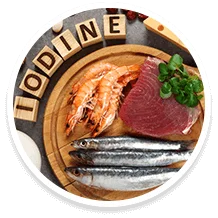
The B-vitamins: everyday metabolism
The B-group runs the cellular machinery that converts food into usable energy — work that fast-renewing follicle cells depend on. Biotin (B7) is the famous one, with a recognised role in the maintenance of normal hair; we cover it in depth in our biotin for hair growth guide. Pantothenic acid (B5) is a long-standing ingredient in hair and scalp care and supports normal energy-yielding metabolism. Other B-vitamins, including folate and B12, matter too, particularly for people on plant-based diets.
Zinc and iron: the pivotal minerals
If two nutrients dominate the hair literature, they are zinc and iron. Zinc contributes to normal protein synthesis and to the maintenance of normal hair, skin and nails — directly relevant to building keratin. Iron carries oxygen to tissues, and low iron stores are among the more common nutritional factors noticed alongside changes in hair, especially in menstruating women. Neither should be taken at high doses casually: iron in particular should only be supplemented when there is a reason, ideally guided by a blood test.
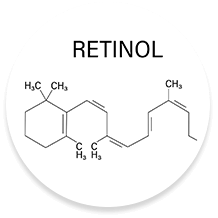
Vitamins A, C and E: scalp and protection
Vitamin A supports the health of skin and the scalp, the foundation from which hair grows, and helps regulate the natural oils that keep hair supple. The key word is balance: unusually high vitamin A intakes can be counterproductive, so measured amounts are best. Vitamin C is a double contributor — a well-known antioxidant that also supports collagen formation around the follicle and improves absorption of plant iron. Vitamin E is a fat-soluble antioxidant that helps protect cells from oxidative stress and is a traditional companion in hair and skin formulas.
Selenium and iodine: the thyroid connection
Two trace minerals, selenium and iodine, work behind the scenes through the thyroid gland. The thyroid helps set the pace of many bodily processes, hair growth among them, and both minerals are needed for it to function normally. As with vitamin A, the theme is sufficiency, not excess: selenium in particular has a narrow comfortable range, so a sensible formula supplies a modest amount rather than a megadose.
| Nutrient | Main role for hair | Type |
|---|---|---|
| Biotin (B7) | Maintenance of normal hair | B-vitamin |
| Pantothenic acid (B5) | Energy metabolism, scalp care | B-vitamin |
| Zinc | Protein synthesis, normal hair | Mineral |
| Iron | Oxygen delivery to follicles | Mineral |
| Vitamin A | Skin & scalp health | Fat-soluble vitamin |
| Vitamin C | Collagen, antioxidant, iron uptake | Water-soluble vitamin |
| Vitamin E | Antioxidant protection | Fat-soluble vitamin |
| Selenium & iodine | Normal thyroid function | Trace minerals |

Why balance beats megadoses
The most important idea in this whole guide is balance. Water-soluble vitamins like C and the B-group are generally forgiving because the body excretes the excess, but fat-soluble vitamins (A and E) and trace minerals (selenium, iodine, iron, zinc) can be overdone. That is why stacking several separate high-dose pills is rarely wise. A well-designed blend supplies measured amounts of many hair-focused nutrients together, which both mirrors how they work in the body and reduces the risk of overshooting any one of them.
| Approach | Pros | Cons |
|---|---|---|
| Single high-dose pills | Targets a known deficiency | Easy to overdo; more to remember |
| Balanced hair blend | Measured amounts, one capsule | Not tailored to a specific deficiency |
| Food first | Safest, most complete | Gaps on busy or restricted diets |
What to look for on a label
When you compare hair supplements, look past the marketing to the panel. A sensible product lists its nutrients in recognisable forms and reasonable amounts, avoids extreme megadoses of fat-soluble vitamins and trace minerals, and is made in a facility that follows Good Manufacturing Practices. Abundant is built on this philosophy: biotin, zinc, vitamins A, C and E, pantothenic acid, iodine and selenium, plus botanicals such as saw palmetto and horsetail, combined in measured amounts in one non-GMO vegetarian capsule.
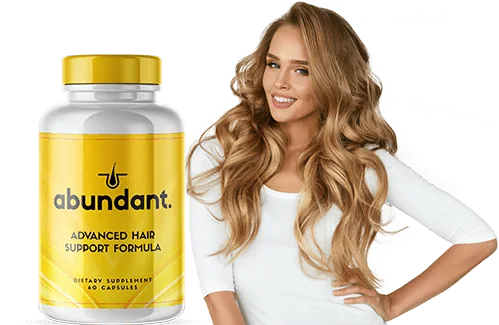
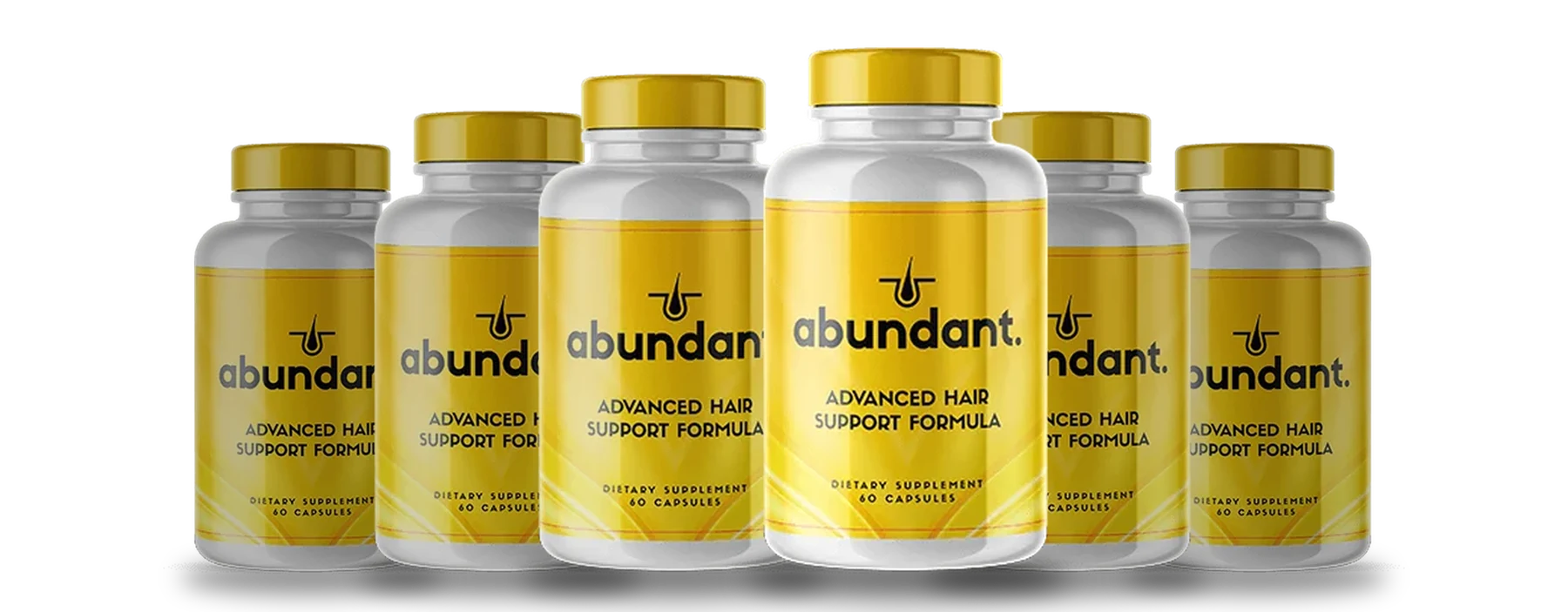
A balanced blend, once a day
Abundant brings hair-focused vitamins and minerals together in one capsule. The six-bottle bundle is the best value at $49 per bottle, with free U.S. shipping and a 60-day guarantee.
Order Abundant — from $49/bottle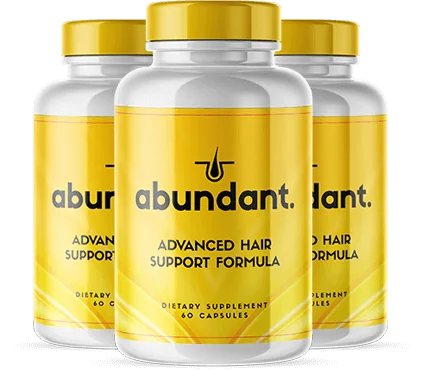
Putting it all together
You do not need a chemistry degree to feed your hair well. Cover the basics with food, keep fat-soluble vitamins and trace minerals within sensible amounts, and if you use a supplement, choose a balanced blend rather than a shelf of single-nutrient megadoses. Give any routine at least three months, treat your hair gently, and remember that nutrition is support, not a cure. Compare the Abundant packages if you would like a measured blend in one daily capsule.
Two of the entries above deserve more room than a summary line allows. Selenium and its honest role in a hair routine is the clearest example of a nutrient with a narrow safe window, where both deficiency and excess have been associated with hair changes.
The other is the fat-soluble one. Vitamin A for hair and scalp is genuinely required by the follicle and the sebaceous gland, and it is also the nutrient on this list where taking more than you need is most likely to cause a problem rather than solve one.
Frequently asked questions
Which vitamins are most important for hair?
The B-vitamins including biotin, plus vitamins A, C, D and E, are the most discussed for hair. Each plays a supporting role, from scalp health to antioxidant protection, and they work best together as part of a balanced diet rather than in isolation.
Which minerals matter for hair?
Iron and zinc are the two most linked with hair, especially when they run low. Selenium and iodine support normal thyroid function, which in turn is connected to hair, while adequate protein supplies the amino acids that build keratin.
Can too much of a vitamin harm hair?
Yes. Balance matters. Very high doses of vitamin A or selenium, for example, can be counterproductive, which is why a sensible formula supplies measured amounts rather than extremes. More is not better with fat-soluble vitamins and trace minerals.
Should I take vitamins separately or as a blend?
For most people a single balanced blend is simpler and reflects how nutrients work together. Taking many separate high-dose pills raises the risk of overdoing individual nutrients. A blend like Abundant combines hair-focused nutrients in measured amounts in one daily capsule.
Do I need a supplement if I eat well?
If your diet is varied and complete, you may get everything your hair needs from food. Supplements are a convenient top-up for gaps, higher needs or busy periods, and are best seen as support alongside a good diet, not a replacement.
How long until nutrients show in hair?
Hair grows about a centimetre a month, so any nutritional change takes weeks to months to reach the visible length. A consistent routine over at least three months is the fair way to judge it, and individual results vary.
Try Abundant risk-free for 60 days →
Abundant is a dietary supplement, not a treatment for any medical condition. These statements have not been evaluated by the Food and Drug Administration. This product is not intended to diagnose, treat, cure or prevent any disease. Always consult a qualified healthcare professional about your individual needs.
References & further reading
- National Institutes of Health, Office of Dietary Supplements. Zinc — Fact Sheet for Health Professionals. ods.od.nih.gov/factsheets/Zinc-HealthProfessional
- National Institutes of Health, Office of Dietary Supplements. Vitamin A. ods.od.nih.gov/factsheets/VitaminA-HealthProfessional
- National Institutes of Health, Office of Dietary Supplements. Selenium. ods.od.nih.gov/factsheets/Selenium-HealthProfessional
- Almohanna HM, Ahmed AA, Tsatalis JP, Tosti A. The Role of Vitamins and Minerals in Hair Loss: A Review. Dermatol Ther (Heidelb). 2019. Almohanna et al. 2019, Dermatol Ther (Heidelb) — PubMed 30547302
These references describe nutrients in general terms and do not constitute evidence that any product treats, cures or prevents any condition.
Keep reading: biotin for hair growth · best foods for healthy hair · back to the Abundant blog · homepage.