Selenium for hair: the trace mineral inside every Abundant capsule

Updated September 2026 · reviewed by the Abundant Research Team. We are an independent information resource, not a medical provider, and this article is educational rather than medical advice.
Selenium is an essential trace mineral the body needs in tiny amounts to build antioxidant enzymes that protect cells — including the fast-dividing cells that grow hair. It is one of the least talked-about nutrients on any hair label, yet it sits at the crossroads of thyroid function, nail strength and follicle protection. This guide explains what selenium for hair really does, where to find it in food, why its safe range is unusually narrow, and how a food-level dose earns its place inside Abundant.
Does selenium help your hair?
- The honest picture
- Selenium supports hair indirectly — through thyroid function and antioxidant defence — but it is not a growth booster on its own.
- Fixing a shortfall
- Correcting a genuine deficiency can help affected hair; taking extra on top of enough does not grow more.
- The catch
- Too much selenium is a recognised cause of hair loss and brittle nails, so more is genuinely not better.
- The sweet spot
- A food-level amount — about 55 micrograms a day for adults — covers the base safely.
Most people meet their selenium needs from food without ever thinking about it. It appears on hair formulas because its deficiency shows up in hair and nails, and its thyroid role ties it to the hormonal picture that governs the hair cycle. For the bigger nutrient story, see our guide to vitamins and minerals for hair.
What is selenium, and why does hair care about a trace mineral?
Selenium is an essential trace mineral that the body incorporates into selenoproteins, most famously the glutathione peroxidase enzymes that neutralise oxidative stress inside cells. Hair matters here because the follicle is metabolically active, generating reactive by-products that these enzymes help keep in check. Selenium does not build hair the way protein does; it protects the environment in which hair is made and supports the thyroid, the gland that sets the pace of the hair-growth cycle. It is noticed only when it runs too low or, far less often, too high.
How does selenium support hair, nails and thyroid function?
Selenium supports hair through two indirect routes: it helps the thyroid gland make and regulate hormone, and it powers antioxidant enzymes that protect the follicle and the growing nail. Neither route is a growth stimulant; both keep hair's support systems running.
What does the selenium–thyroid connection mean for hair?
The thyroid holds more selenium per gram of tissue than any other organ, and it needs the mineral to convert thyroid hormone into its active form. That matters for hair because thyroid disorders are a well-recognised cause of hair thinning and texture change, so keeping selenium adequate supports the rhythm that governs how long hair spends growing. To be precise: adequate selenium supports a normally working thyroid, but a supplement is not a treatment for hypothyroidism, Hashimoto's or any other thyroid condition, which need proper medical care.
Is selenium an antioxidant for the scalp and nails?
Through its selenoproteins, selenium acts as part of the body's built-in antioxidant defence, and the same enzymes that protect the follicle also serve the nail matrix. This is why the classic signs of a selenium problem, at both extremes, involve hair and nails together. It partners with other antioxidants such as vitamin E and vitamin C, so its role is that of a team member.
| Selenium's role | How it connects to hair or nails | Strength of evidence |
|---|---|---|
| Antioxidant enzymes | Protects follicle and nail-matrix cells from oxidative stress | Well established biochemically |
| Thyroid support | Needed to activate thyroid hormone, which sets hair-cycle pace | Established role; indirect for hair |
| Deficiency correction | Fixing a genuine shortfall may help affected hair and nails | Plausible; deficiency is uncommon |
| Extra on top of enough | No added hair benefit; risk rises with excess | No evidence of benefit |
Selenium, at a sensible dose
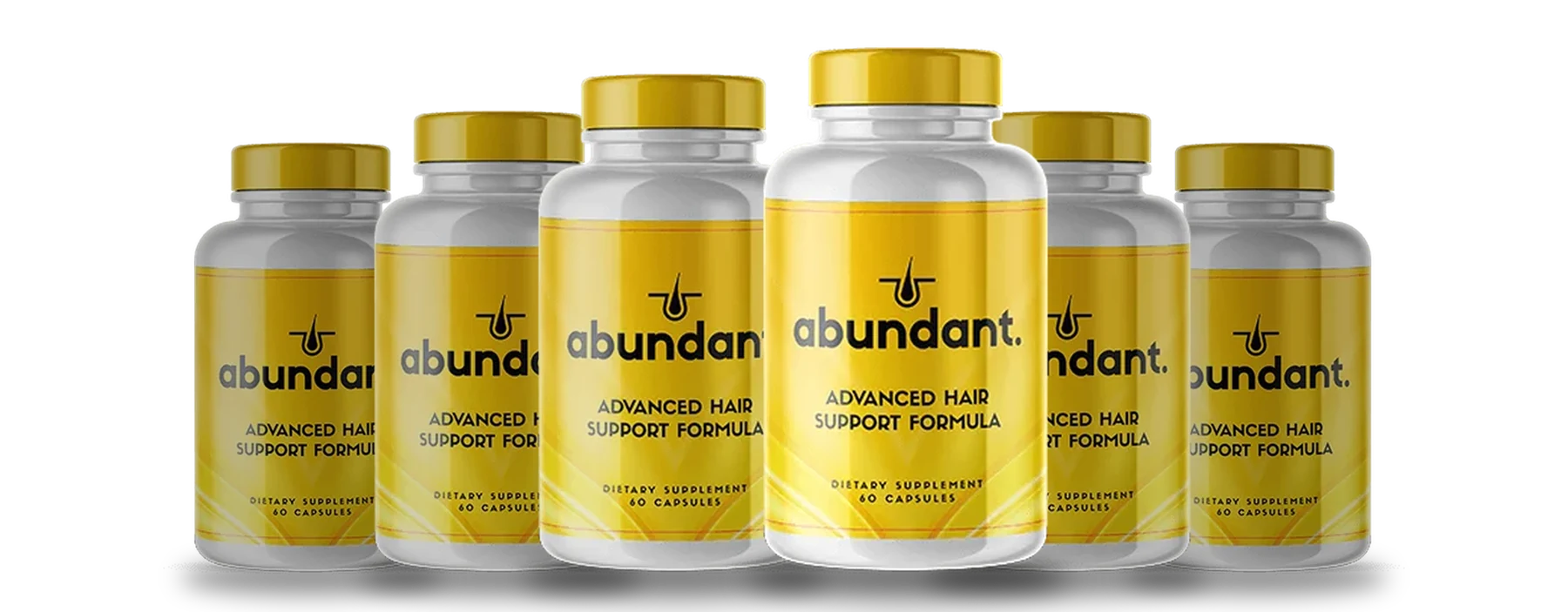
Abundant pairs a food-level amount of selenium with biotin, zinc, iodine and hair-focused vitamins in one daily capsule. See the exact dose in Abundant on the supplement facts panel — the six-bottle bundle is the best value at $49 per bottle, with free U.S. shipping and a 60-day guarantee.
Check today's Abundant pricing — from $49/bottleWhich foods are highest in selenium?
The richest dietary source of selenium is the Brazil nut, followed by seafood, organ meats, eggs, poultry and whole grains grown in selenium-rich soil. Brazil nuts are so concentrated that one or two can supply, and sometimes exceed, an entire day's requirement — showing how little of this mineral the body needs. A varied diet with some seafood, eggs or nuts almost always covers the base.
| Food | Typical selenium (per serving) | Notes |
|---|---|---|
| Brazil nuts | ~68–91 mcg per nut | Extremely concentrated — a few a week is plenty |
| Tuna, cooked | ~92 mcg per 85 g | Among the highest seafood sources |
| Sardines | ~45 mcg per 85 g | Also supplies omega-3 fats |
| Eggs | ~15 mcg per large egg | Pairs selenium with protein and biotin |
| Whole grains | ~10–20 mcg per serving | Varies with soil selenium content |
| Chicken or turkey | ~20–30 mcg per 85 g | Everyday, dependable source |
Set against a recommended intake of 55 micrograms a day for adults, that table makes an easy point: reaching enough selenium is not hard, and most varied diets get there.
Can you get too much selenium?
Selenium has one of the narrowest safe ranges of any mineral: helpful at food-level amounts, but genuinely harmful in excess, where too much can cause the very hair loss people hope to avoid. Selenosis, as the condition is called, presents with hair loss, brittle or spotted nails, garlic breath, fatigue and gastrointestinal upset, usually after over-supplementing or eating Brazil nuts by the handful daily. This is why cautious formulas keep selenium at a food-level amount, and why single-nutrient pills of 100 to 200 micrograms suit only people whose clinician has recommended them.
What are the recommended and upper limits?
The recommended dietary allowance is 55 micrograms a day for adults, rising to 60 in pregnancy and 70 while breastfeeding, while the tolerable upper intake level from all sources sits at 400 micrograms a day. That gap between enough and too much is far smaller than for most nutrients — the single most important fact to carry away from this article. The rule is simple: aim for adequacy, not abundance.
How does selenium fit inside Abundant, and how should you take it?
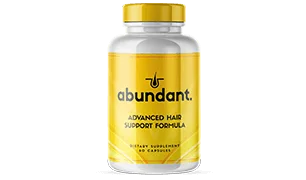
Abundant includes selenium at a food-level amount as one supporting nutrient in a broader hair formula, not as a mega-dose, precisely because more selenium is not better. Its job on the label is to round out the mineral base alongside zinc and iodine, covering the antioxidant and thyroid-support roles without any risk of tipping toward excess.
How much selenium does Abundant provide, and with what?
Rather than isolate selenium, Abundant combines it with biotin, zinc, iodine and vitamins A, C and E, plus botanicals such as saw palmetto and horsetail, in a single daily capsule. That team approach is deliberate: selenium works within the body's antioxidant and thyroid machinery, so it belongs beside the nutrients those systems rely on. Take it with a meal containing a little fat, and check the supplement facts panel for the exact figure.
Should you take selenium on its own as well?
For most people the answer is no. A normal diet plus a food-level amount in a multi-nutrient capsule already covers the requirement, so layering a separate high-dose pill on top is where the risk of excess creeps in. The exception is a diagnosed deficiency, guided by a clinician. Otherwise the sensible path is a varied diet and, for convenience, a modest amount within a balanced formula.
The bottom line: selenium's honest role in a hair routine
Selenium is a supporting player, not a star: it protects the follicle through antioxidant enzymes and helps the thyroid work normally, but it grows no extra hair once intake is adequate. The real headline is its narrow safe range — too little can affect hair and nails, and so can too much. The strategy follows: reach the modest daily target from food, and if you supplement, choose one that keeps selenium at a food-level amount within a balanced blend, as Abundant does. Our guide to biotin for hair growth covers another hair nutrient with the same honest lens.
Frequently asked questions
Does selenium help hair grow?
Selenium supports hair indirectly rather than acting as a growth booster. It helps the thyroid work normally and feeds the antioxidant enzymes that protect the follicle. Correcting a genuine shortfall can help hair that was affected by it, but taking extra selenium on top of an adequate intake has not been shown to grow more hair.
Can too much selenium cause hair loss?
Yes. Selenium has an unusually narrow safe range, and excess intake, a condition called selenosis, is a recognised cause of hair loss and brittle nails. This is why sensible formulas use a food-level amount and why high-dose single-nutrient selenium pills are best avoided unless a clinician advises them.
How much selenium do adults need per day?
The recommended dietary allowance for most adults is 55 micrograms of selenium a day, rising to 60 during pregnancy and 70 while breastfeeding. The tolerable upper limit from all sources is 400 micrograms a day, so there is far less headroom than with many other nutrients.
What foods are highest in selenium?
Brazil nuts are by far the richest source, so rich that one or two nuts can meet or exceed a full day's requirement. Seafood such as tuna and sardines, organ meats, eggs, poultry and whole grains grown in selenium-rich soil are other reliable sources.
Is the selenium and thyroid link relevant to hair?
It can be. The thyroid holds more selenium per gram than any other organ and uses it to make and regulate thyroid hormone, and thyroid problems are a well-known cause of hair changes. Supporting normal thyroid function is one plausible route by which adequate selenium supports hair, though it is not a treatment for any thyroid condition.
How much selenium is in Abundant?
Abundant includes selenium as one supporting nutrient at a food-level amount, alongside biotin, zinc, iodine and hair-focused vitamins, rather than as a stand-alone mega-dose. Check the current supplement facts panel on the product page for the exact figure, and take the capsule with a meal.
Try Abundant risk-free for 60 days →
Abundant is a dietary supplement, not a treatment for any medical condition. These statements have not been evaluated by the Food and Drug Administration. This product is not intended to diagnose, treat, cure or prevent any disease. Always consult a qualified healthcare professional about your individual needs, especially regarding thyroid health or selenium intake.
References & further reading
- National Institutes of Health, Office of Dietary Supplements. Selenium — Fact Sheet for Health Professionals. ods.od.nih.gov/factsheets/Selenium-HealthProfessional
- National Institutes of Health, Office of Dietary Supplements. Selenium — Fact Sheet for Consumers. ods.od.nih.gov/factsheets/Selenium-Consumer
- Durusu Turkoglu IN, Turkoglu AK, Soylu S, Gencer G. A comprehensive investigation of biochemical status in patients with telogen effluvium: analysis of Hb, ferritin, vitamin B12, vitamin D, thyroid function tests, zinc, copper, biotin and selenium levels. J Cosmet Dermatol. 2024. Durusu Turkoglu et al. 2024, J Cosmet Dermatol — PubMed 39107936
- MedlinePlus, U.S. National Library of Medicine. Selenium in diet. medlineplus.gov/ency/article/002414.htm
- Mayo Clinic. Selenium — overview and safety. mayoclinic.org/drugs-supplements-selenium
These references describe selenium in general terms and do not constitute evidence that any product treats, cures or prevents any condition.
Keep reading: zinc for hair growth · vitamins and minerals for hair · back to the Abundant blog · homepage.