Zinc for hair growth: inside the Abundant formula

Updated September 2026 · reviewed by the Abundant Research Team. We are an independent information resource, not a medical provider, and this article is educational rather than medical advice.
Zinc is an essential trace mineral your body uses for the protein synthesis and cell division that build hair, skin and nails. Because the hair follicle is one of the most metabolically active tissues in the body, it is sensitive to a genuine zinc shortfall — which is exactly why zinc appears on so many hair-support labels, including the once-daily Abundant capsule. This guide explains what zinc actually does for hair, how much you need, where to find it, and how honest the evidence really is.
Does zinc help your hair grow?
- The honest verdict
- Zinc is needed for keratin protein synthesis, so being low can affect hair — but extra zinc does not speed growth if you already have enough.
- The real role
- It supports the normal function of hair, skin and nails, not a cure for hair loss.
- How much
- About 8–11 mg a day for adults, with 40 mg as the upper limit from all sources.
- In Abundant
- Zinc is one labelled mineral among biotin, selenium, iodine and vitamins A, C and E in a single daily capsule.
Zinc gets a lot of attention in hair circles, and some of it is deserved. But the difference between “zinc is essential for hair” and “zinc makes hair grow faster” is enormous, and it is where most marketing goes astray. Below we separate the two, then show precisely where zinc sits inside the Abundant formula. For the wider picture, see our companion guide to vitamins and minerals for hair.

What is zinc and why does hair need it?
Zinc is an essential mineral that acts as a co-factor for hundreds of enzymes involved in protein synthesis, DNA repair and cell division. Hair matters here because a strand is roughly 90% keratin — a tough structural protein — and the follicle spins out that protein around the clock during the growth phase. Any process that depends on rapid cell turnover, from the skin barrier to the nail bed to the hair matrix, leans on an adequate zinc supply. That is why authoritative nutrition bodies describe zinc as contributing to the maintenance of normal hair, skin and nails, rather than as a growth stimulant.
How does zinc support keratin protein synthesis?
Zinc supports keratin protein synthesis by helping the enzymes that assemble and stabilise proteins do their job. In the hair matrix, cells divide quickly and then fill with keratin as they push upward to form the visible shaft; the zinc-dependent enzymes involved in building and cross-linking that protein keep the process orderly. Zinc is also part of the antioxidant defences that protect dividing cells from everyday oxidative stress, and it plays a role in regulating the hair cycle's move between its growing, resting and shedding phases. None of this means loading up on zinc pushes hair to grow faster — it means the follicle needs a baseline amount to work normally.
| What zinc does | Why it matters for hair, skin & nails |
|---|---|
| Protein synthesis | Helps build keratin, the structural protein of hair and nails |
| Cell division | Supports the fast turnover of the follicle and skin |
| Antioxidant defence | Part of enzymes that protect dividing cells from oxidative stress |
| Hair-cycle regulation | Involved in the normal growing-to-shedding rhythm of follicles |
| Skin & scalp health | Contributes to the maintenance of normal skin, where hair is anchored |
See the exact dose of zinc in Abundant →
Does zinc deficiency cause hair loss?
Zinc deficiency can contribute to hair shedding, but true deficiency is far less common than supplement ads imply. Genuinely low zinc — from very restricted diets, certain digestive conditions, or higher needs — is one recognised nutritional factor in diffuse hair thinning, and studies have linked low serum zinc with some hair-loss patterns. Crucially, when a real deficiency is corrected, hair often recovers alongside other symptoms. The mistake is assuming the reverse: that adding zinc to an already adequate diet will reverse thinning driven by genetics, hormones, age or stress. It generally will not, and self-diagnosing a deficiency without testing is a poor plan. If you are shedding noticeably, a clinician and a simple blood test are worth far more than a guess.
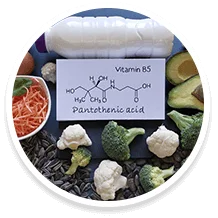
How much zinc do you need each day?
Adults need roughly 8 to 11 mg of zinc a day, and the safe ceiling from all sources combined is 40 mg. That relatively narrow window is why zinc is a “just enough” nutrient rather than a “more is better” one. Sitting comfortably above the recommended amount but well under the upper limit is the sensible target for a daily formula, which is exactly how a hair supplement should treat it — as a top-up toward the daily value, not a mega-dose.
| Group | Recommended daily zinc | Upper limit (adults) |
|---|---|---|
| Adult men | 11 mg | 40 mg |
| Adult women | 8 mg | 40 mg |
| Pregnancy | 11 mg | 40 mg |
| Breastfeeding | 12 mg | 40 mg |
Because zinc and copper compete for absorption, routinely taking large zinc doses can nudge copper low over time — and copper deficiency has its own downsides. This is a key reason to keep intake near recommended amounts and to be wary of high-dose single-mineral products. A balanced formula that pairs a modest amount of zinc with other hair nutrients is a gentler approach than a standalone high-strength pill.
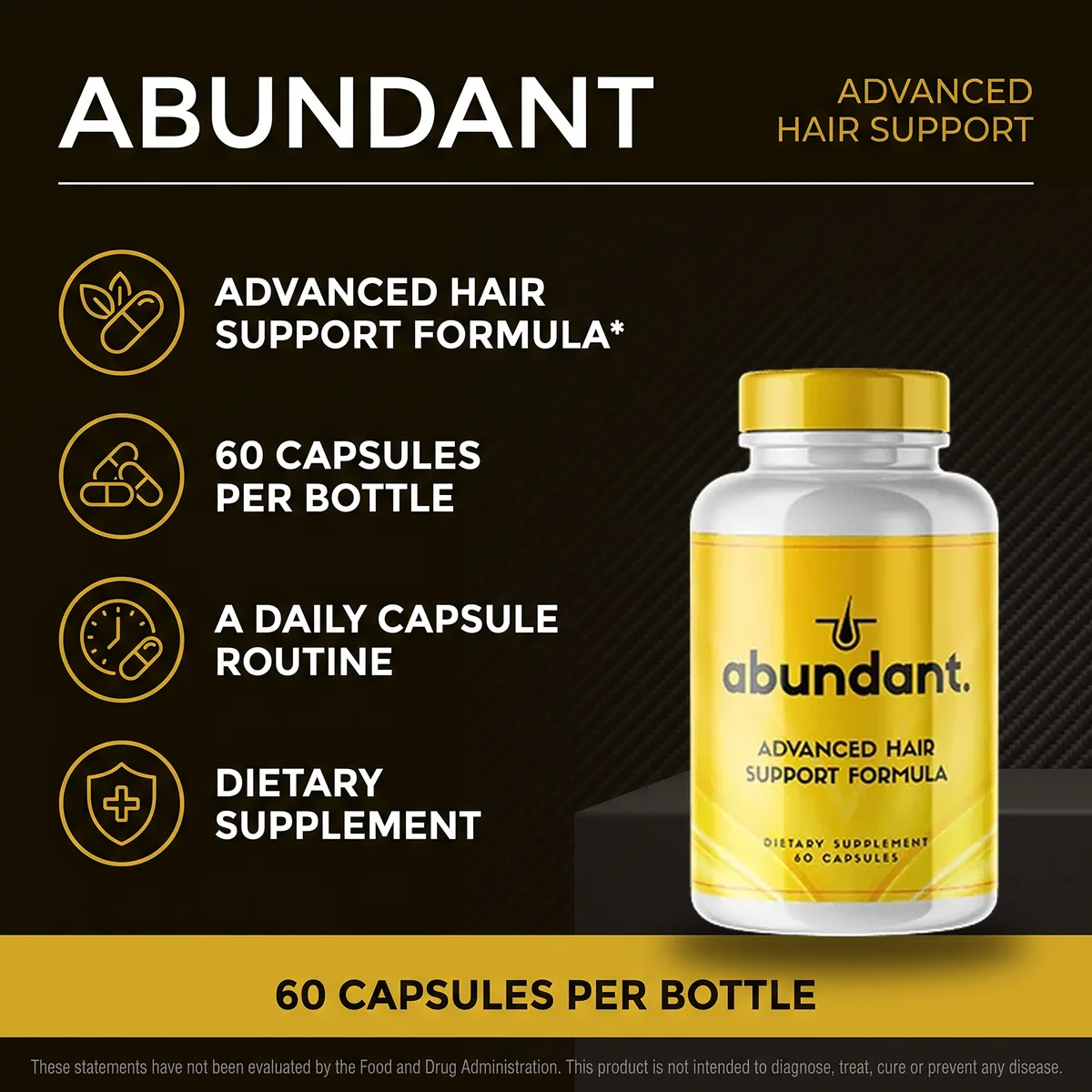
Where does zinc come from in food?
The richest dietary zinc comes from animal foods, with plant sources close behind. Oysters are famously the densest source of all; beef, lamb, poultry, crab and other shellfish follow. On the plant side, pumpkin seeds, chickpeas, lentils, cashews and whole grains all contribute, though the phytates in some plant foods lower how much zinc you absorb — one reason plant-forward eaters may need a little more. If your plate already includes these regularly, you are likely getting enough; if not, that is where a formula earns its place.
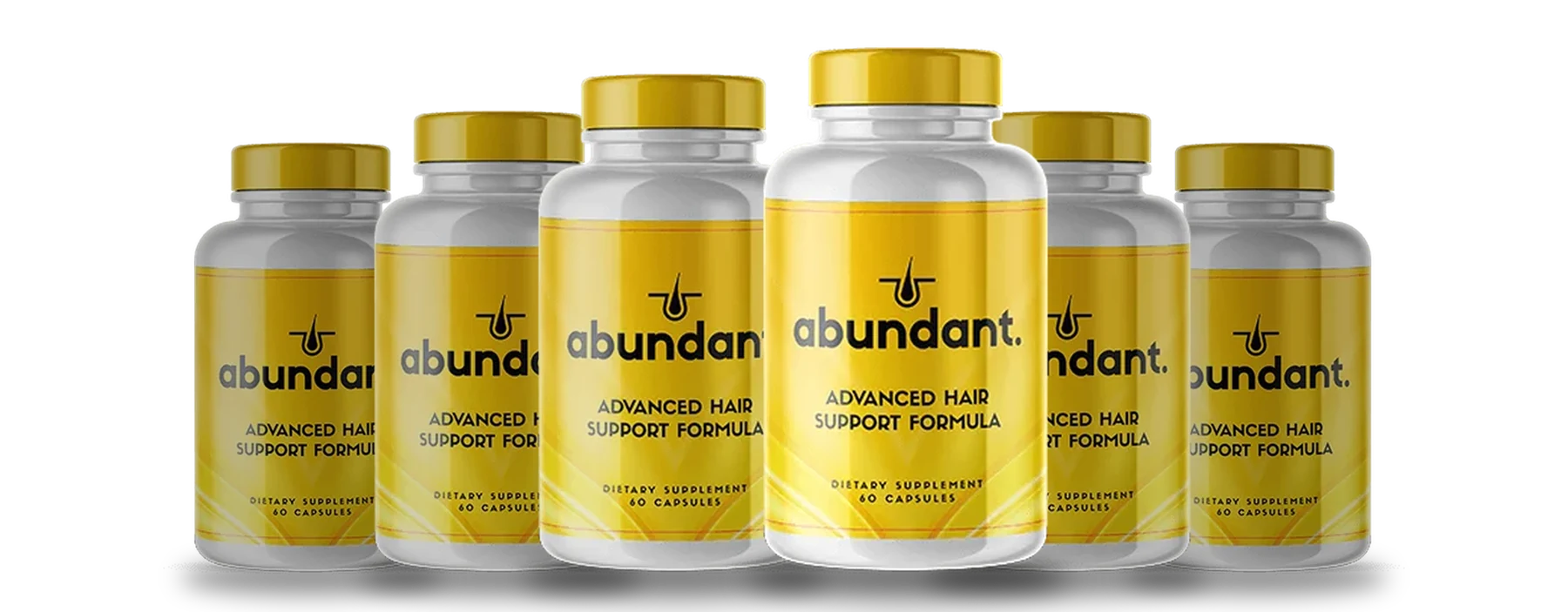
Top up your zinc the simple way
Abundant is a once-daily capsule that pairs zinc with biotin and hair-focused vitamins, so you are not juggling single minerals. The six-bottle bundle is the best value at $49 per bottle, with free U.S. shipping and a 60-day guarantee.
Check today's Abundant pricing — from $49/bottleHow does Abundant include zinc in its once-daily capsule?
Abundant folds zinc into a broader hair-support blend rather than selling it alone. The formula lists zinc among its labelled minerals alongside biotin, selenium and iodine, plus vitamins A, C and E and botanicals such as saw palmetto and horsetail, all in a single capsule taken with a meal. That combination reflects how the follicle actually works: no nutrient acts in isolation, and zinc partners naturally with the protein-building and antioxidant roles of the vitamins beside it. Because the exact milligram figure and percentage of the daily value can be updated over time, the authoritative source is always the current supplement facts panel on the Abundant product page — check it there rather than relying on any third-party summary.
What does the evidence really show?
The honest summary is that zinc's role in hair is real but modest, and the strongest evidence is about deficiency, not enhancement. Reviews of nutrition and hair repeatedly reach the same conclusion: correcting a genuine zinc shortfall can help, while supplementing people who already have enough shows little to no added benefit and carries risk at high doses. Much of the human research is small, observational, or focused on specific conditions, so confident claims about zinc “regrowing” hair are not supported. Treat any product — Abundant included — as nutritional support that keeps the baseline covered, not as a treatment. If thinning is significant or sudden, that is a conversation for a healthcare professional.
The bottom line
Zinc is a genuine essential for hair, skin and nails: it supports the keratin protein synthesis and cell division the follicle depends on, and a real deficiency can show up in your hair. What it is not is a growth accelerator for people who already have enough. The practical move is to eat zinc-rich foods regularly, stay near recommended amounts rather than mega-dosing, and, if you want the convenience of a daily top-up, choose a balanced formula. That is the exact role zinc plays inside Abundant — one mineral among several, in a sensible once-daily capsule.
The strongest evidence for zinc comes from people who did not have enough of it, which is a much narrower claim than the supplement aisle makes. The case for zinc deficiency as a cause of hair loss covers who is actually at risk, what serum testing can and cannot tell you, and why correcting a shortfall is different from topping up a normal level.
Frequently asked questions
Does zinc help hair grow?
Zinc is a nutrient the body uses for the protein synthesis and cell division that hair, skin and nails rely on, so getting enough matters. But taking extra zinc when you are not deficient has not been shown to speed hair growth. The benefit is clearest when someone is genuinely low in zinc and their intake is restored to normal.
How much zinc do I need each day?
For adults the recommended dietary allowance is about 11 mg a day for men and 8 mg for women, rising slightly in pregnancy and breastfeeding. The tolerable upper limit for adults is 40 mg a day from all sources combined, so more is not better and high doses taken long term can cause problems.
Can too much zinc cause hair loss?
Yes, indirectly. Taking large amounts of zinc over time can interfere with copper absorption, and copper deficiency itself is associated with hair and other issues. This is one reason to stay near recommended amounts rather than mega-dosing, and to treat a formula as a top-up rather than a high-dose product.
How much zinc is in Abundant?
Abundant lists zinc among its labelled minerals alongside biotin, iodine, selenium and vitamins A, C and E. Check the current supplement facts panel on the product page for the exact milligram amount and percentage of the daily value, since formula details can be updated over time.
Is it better to get zinc from food or a supplement?
Food first is the sensible rule. Oysters, beef, pumpkin seeds, chickpeas and whole grains all supply zinc alongside other nutrients. A supplement such as Abundant is a convenient top-up for the gaps rather than a replacement for a varied diet.
How long before zinc affects hair?
Hair grows slowly, roughly a centimetre a month, so any nutritional change takes weeks to months to reach the visible length. If low zinc was a factor, correcting it works over a similar timescale, and individual results vary.
Try Abundant risk-free for 60 days →
Abundant is a dietary supplement, not a treatment for any medical condition. These statements have not been evaluated by the Food and Drug Administration. This product is not intended to diagnose, treat, cure or prevent any disease. Always consult a qualified healthcare professional about your individual needs.
References & further reading
- National Institutes of Health, Office of Dietary Supplements. Zinc — Fact Sheet for Health Professionals. ods.od.nih.gov/factsheets/Zinc-HealthProfessional
- National Institutes of Health, Office of Dietary Supplements. Zinc — Consumer Fact Sheet. ods.od.nih.gov/factsheets/Zinc-Consumer
- U.S. National Library of Medicine / PubMed. The Role of Vitamins and Minerals in Hair Loss: A Review. pubmed.ncbi.nlm.nih.gov/30547302
- Kil MS, Kim CW, Kim SS. Analysis of serum zinc and copper concentrations in hair loss. Ann Dermatol. 2013. Kil et al. 2013, Ann Dermatol — PubMed 24371385
- Mayo Clinic. Zinc — overview and dosing. mayoclinic.org/drugs-supplements-zinc
These references describe zinc in general terms and do not constitute evidence that any product treats, cures or prevents any condition.
Keep reading: biotin for hair growth · vitamins and minerals for hair · best foods for healthy hair · the Abundant review.