Biotin for hair growth: what it does, and what it doesn’t — the Abundant guide

Updated September 2026 · reviewed by the Abundant Research Team. We are an independent information resource, not a medical provider, and this article is educational rather than medical advice.
Biotin is the vitamin most people picture when they think of hair supplements, and for good reason: it plays a genuine role in the maintenance of normal hair. But the internet often oversells it. This guide sorts the evidence from the hype — what biotin really does, who tends to run low, how much is sensible, and where a hair-focused capsule like Abundant fits in.
Biotin for hair, in one place.
- What it is
- Biotin (vitamin B7) is a water-soluble B-vitamin the body uses in energy metabolism and in the maintenance of normal hair and skin.
- What it does
- Correcting a real biotin shortfall can help hair affected by it; in people who already have enough, extra biotin has limited proven effect on growth.
- Sensible intake
- Adults need about 30 micrograms a day, which most diets supply; supplements often provide a modest margin above that.
- Watch out for
- High-dose biotin can skew some lab tests, so tell your doctor if you take it.
- Bigger picture
- Hair relies on many nutrients — zinc, iron, protein and vitamins A, C and E among them — not biotin alone.
If you have ever bought a hair gummy, its star ingredient was almost certainly biotin — shorthand for “good for hair.” The truth is more useful than the hype: biotin matters, but it is one instrument in an orchestra, as this guide and a blend like Abundant both show.

What is biotin?
Biotin, also called vitamin B7 or vitamin H, is one of the eight B-vitamins. It is water-soluble, which means the body does not store large reserves of it — you rely on a steady supply from food. Inside cells, biotin works as a coenzyme for enzymes involved in metabolising fats, carbohydrates and proteins. That metabolic role is why it is linked to tissues that grow and renew quickly, including skin, nails and the hair follicle.
The connection to hair is not marketing invention: recognised nutrition authorities list the maintenance of normal hair among biotin’s roles. The important word is maintenance. Biotin helps keep a normal process running normally; it is not a growth drug that forces new hair from a follicle that has stopped.
Does biotin actually grow hair?
Here is the honest version. When someone is genuinely deficient in biotin, hair can thin or become brittle, and restoring biotin to normal often helps that hair recover. In that specific situation, biotin clearly makes a difference. The trouble is that true deficiency is uncommon in people who eat a varied diet.
For the much larger group who already have enough biotin, the evidence that taking extra dramatically accelerates hair growth is limited. Most rigorous reviews conclude that supplementation helps mainly when a shortfall exists. That does not make biotin useless — a steady, adequate intake is part of keeping hair healthy — but it does mean you should be sceptical of before-and-after promises built on biotin alone.
Signs of a genuine shortfall
Because true deficiency is what makes biotin visibly matter, it helps to know who is more likely to run low. The table below summarises the everyday picture.
| Situation | Why biotin may run low | Everyday relevance |
|---|---|---|
| Varied, balanced diet | Rarely low — food supplies enough | Most people |
| Pregnancy & breastfeeding | Higher demand can lower levels | Discuss with a doctor |
| Heavy alcohol use | Reduces absorption over time | Less common |
| Long courses of some medicines | Certain drugs affect biotin status | Ask your prescriber |
| Lots of raw egg white | A protein in it blocks absorption | Rare, diet-dependent |
See how Abundant supports everyday hair →
How much biotin is sensible?
National nutrition bodies set an adequate intake of roughly 30 micrograms of biotin a day for adults — a small amount that a normal diet usually covers. Hair supplements frequently contain more than this, sometimes far more, as a reassuring margin. Within reason that is fine: biotin is water-soluble and generally well tolerated, and the body excretes what it does not use.
But “more is better” is a myth worth retiring. Megadoses have not been shown to give people with adequate biotin faster or thicker hair, and they carry a practical downside covered below. A sensible product supplies a comfortable amount of biotin and the other nutrients hair relies on, rather than an enormous dose of one vitamin for shelf appeal.

The one caveat: biotin and lab tests
There is a genuine, practical reason to mention biotin to your doctor: high-dose biotin can interfere with certain laboratory blood tests. Because many tests use a biotin-based chemistry behind the scenes, large supplemental doses can push some results falsely high or low — including some thyroid and cardiac tests. This is not dangerous in itself, but a misleading result can be. If you take a biotin supplement, tell your clinician, and pause it before blood work if they advise.
Where biotin fits in a complete hair routine
The most useful way to think about biotin is as one member of a team. Hair is built largely from keratin, and the follicle draws on many nutrients to keep producing it: zinc and protein for structure, iron and vitamin C for delivery and collagen, vitamins A and E for the scalp, and the B-vitamins for everyday metabolism.
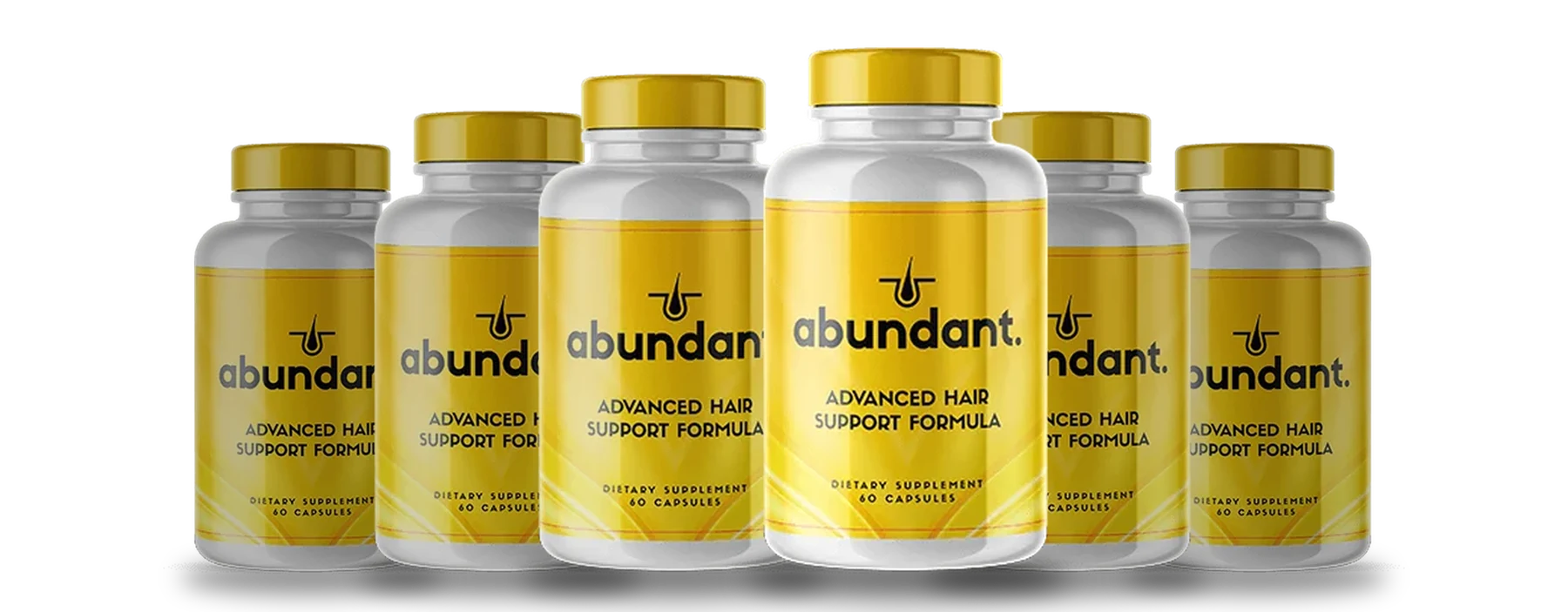
That is the logic behind a blended formula. Abundant pairs biotin with zinc, vitamins A, C and E, pantothenic acid, iodine and selenium, plus botanicals such as saw palmetto and horsetail — the wider set of nutrients hair relies on, in one daily capsule. It is designed as nutritional support alongside a good diet and gentle hair care, not as a treatment for hair loss.
Make it a daily habit
Abundant is a once-daily capsule pairing biotin with zinc and hair-focused vitamins. The six-bottle bundle is the best value at $49 per bottle, with free U.S. shipping and a 60-day guarantee.
Order Abundant — from $49/bottleFood sources vs supplements
Food should always be the foundation. The richest sources of biotin include egg yolks, organ meats, nuts, seeds, salmon, sweet potatoes and legumes; a varied plate supplies the small amount adults need. Supplements are a convenience and a margin of safety for patchy diets or higher needs — not a replacement for eating well.
| Food | Biotin content (relative) | Notes |
|---|---|---|
| Cooked egg (whole) | High | Cook the white; raw white blocks absorption |
| Nuts & seeds | Moderate to high | Almonds, sunflower seeds, walnuts |
| Salmon & organ meats | High | Also rich in protein and zinc |
| Sweet potato | Moderate | Plus vitamin A as beta-carotene |
| Legumes | Moderate | Beans, lentils, peanuts |
The bottom line
Biotin earns its place in a hair formula, but it is not magic. It supports the maintenance of normal hair and clearly helps when a real deficiency is corrected, but it will not force new growth in people who already have plenty. The smarter move is balanced: eat well, treat your hair kindly, and if you supplement, choose biotin combined with the other nutrients hair relies on rather than a single mega-dose.
Because biotin is rarely the only variable, the comparisons matter more than the vitamin does on its own. Setting biotin against zinc for hair shows how differently the two behave: zinc status is measurable in blood and has been described in specific kinds of hair loss, while biotin is mostly a story about correcting a shortfall that few people have.
The other comparison people ask about is structural rather than nutritional. Weighing collagen against biotin for hair is really a question about whether you are supplying amino acids or a metabolic cofactor, and the two are not interchangeable however similarly they are marketed.
Frequently asked questions
Does biotin actually grow hair?
Biotin contributes to the maintenance of normal hair, and correcting a genuine deficiency can help hair that was affected by that shortfall. In people who are not deficient, evidence that extra biotin dramatically speeds growth is limited. It is best seen as everyday nutritional support, not a cure for hair loss.
How much biotin is sensible for hair?
The adequate intake for adults is about 30 micrograms a day, which most balanced diets supply. Many hair supplements provide more than this as a margin. More is not automatically better, and very high doses offer no proven extra benefit for people who already have enough.
Who is most likely to be low in biotin?
True biotin deficiency is uncommon but is more likely during pregnancy, with heavy alcohol use, with certain genetic conditions, or with prolonged use of some medications. Eating raw egg whites over a long period can also reduce biotin absorption.
Can biotin affect medical lab tests?
Yes. High-dose biotin supplements can interfere with some laboratory tests, including certain thyroid and heart tests, producing misleading results. Tell your doctor if you take biotin, and pause it before blood work if advised.
How long before biotin makes a difference?
Because hair grows roughly one centimetre a month, any nutritional change takes weeks to months to show at the visible length. Most people give a consistent routine at least three months, and individual results vary.
Is biotin the only nutrient that matters for hair?
No. Hair also draws on zinc, iron, protein and vitamins A, C, D and E among others. A blend that combines biotin with these hair-focused nutrients, like Abundant, reflects how hair nutrition works as a whole rather than relying on one vitamin.
Try Abundant risk-free for 60 days →
Abundant is a dietary supplement, not a treatment for any medical condition. These statements have not been evaluated by the Food and Drug Administration. This product is not intended to diagnose, treat, cure or prevent any disease. Always consult a qualified healthcare professional about your individual needs.
References & further reading
- National Institutes of Health, Office of Dietary Supplements. Biotin — Fact Sheet for Health Professionals. ods.od.nih.gov/factsheets/Biotin-HealthProfessional
- U.S. Food & Drug Administration. Biotin (Vitamin B7) may interfere with lab tests. fda.gov — biotin and lab tests
- Examine.com. Biotin — evidence-based summary. examine.com/supplements/biotin
- Patel DP, Swink SM, Castelo-Soccio L. A Review of the Use of Biotin for Hair Loss. Skin Appendage Disord. 2017. Patel et al. 2017, Skin Appendage Disord — PubMed 28879195
These references describe biotin in general terms and do not constitute evidence that any product treats, cures or prevents any condition.
Keep reading: the best foods for healthy hair · vitamins and minerals for hair · back to the Abundant blog · homepage.