Biotin vs zinc for hair: why Abundant uses both, not either

Updated September 2026 · reviewed by the Abundant Research Team. We are an independent information resource, not a medical provider, and this article is educational rather than medical advice.
Biotin and zinc are the two most-named nutrients in any hair aisle, but they are not interchangeable: one is a B-vitamin that helps build the keratin your strands are made of, the other a mineral that keeps the follicle's growth machinery running. This guide compares biotin vs zinc for hair side by side, explains why a shortfall in either can show in the mirror, and shows why Abundant is built to supply both rather than force a choice between them.
Biotin or zinc for hair — the honest verdict.
- Different jobs
- Biotin is a coenzyme in keratin production; zinc drives the cell division and repair a growing follicle depends on.
- When each helps
- The clearest benefits appear when you were genuinely low to begin with — not on top of an already good diet.
- Why not choose
- Because it is hard to know which one you are short of, a modest daily amount of each is the pragmatic default.
- How Abundant answers it
- Measured doses of both biotin and zinc in one daily capsule — both, not either/or.
Deciding between a biotin bottle and a zinc bottle is a bit of a false choice. The two nutrients sit at different points in the same production line, so the useful comparison is not “which is stronger” but “which am I missing.” Below we break down what each does, how common a shortfall of each really is, and where a combined formula like Abundant fits.
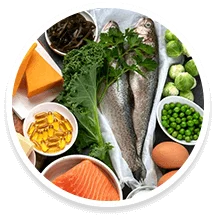
What is the difference between biotin and zinc for hair?
Biotin is a water-soluble B-vitamin (vitamin B7) that acts as a coenzyme in producing keratin, while zinc is an essential trace mineral the follicle uses to divide cells and synthesise new protein. That single sentence is the whole comparison in miniature: one is a vitamin cofactor, the other a structural mineral, and they contribute to hair at different stages. Understanding those separate roles is what makes the “biotin or zinc” debate resolvable.
What does biotin do for hair?
Biotin's role in hair is to serve as a cofactor for the enzymes that assemble keratin, the structural protein that makes up roughly 90% of each strand. Because keratin is what gives hair its strength, a true biotin deficiency can genuinely affect hair quality — and correcting that deficiency helps. The honest caveat, well supported in the research literature, is that biotin supplements have limited evidence in people who are not deficient, and a real deficiency is uncommon. Biotin is still a sensible ingredient; it is simply not a miracle on its own.
What does zinc do for hair?
Zinc supports hair by powering the rapid cell division inside the follicle and helping regulate the oil glands that keep the scalp comfortable. The follicle is one of the most metabolically active structures in the body, and that activity leans on zinc-dependent enzymes. Low zinc is associated with increased shedding in the research literature, and levels run lower in some groups — which is why zinc earns its place alongside biotin.

Biotin vs zinc for hair: which one matters more?
Neither biotin nor zinc is universally “more important” for hair — which one matters more depends entirely on which one you are short of. Rather than rank them, it is more useful to lay their properties out together. The table below puts the two nutrients head to head on the points that actually differ.
| Biotin (B7) | Zinc | |
|---|---|---|
| Nutrient type | Water-soluble B-vitamin | Essential trace mineral |
| Main hair role | Cofactor for keratin production | Follicle cell division & repair |
| Everyday food sources | Eggs, nuts, seeds, salmon, sweet potato | Oysters, beef, pumpkin seeds, chickpeas |
| Often-cited signs when low | Brittle strands, skin and nail changes | Increased shedding, slow-healing skin |
| How common a shortfall is | Rare in a normal diet | More common in some groups |
| Sensible daily approach | Modest amount, not mega-dose | Moderate amount to avoid copper issues |
See the exact dose of each in Abundant →
Is a biotin or zinc deficiency more common?
A true biotin deficiency is rare because gut bacteria make some of it and it is widespread in food, whereas low zinc is more common, particularly among vegetarians, older adults and people with certain digestive conditions. This is one of the most useful facts in the comparison: if a shortfall is what makes either nutrient work, zinc is the one a larger share of people may actually be missing.
| Nutrient | How common is a shortfall | Who is more at risk |
|---|---|---|
| Biotin | Uncommon in a varied diet | Certain rare genetic and gut conditions; long courses of some medications |
| Zinc | More frequent, especially on plant-based diets | Vegetarians and vegans, older adults, athletes, some gut disorders |
None of this makes biotin pointless — a formula that skipped it would ignore a genuine keratin cofactor. It reframes the marketing. Standalone biotin at eye-watering doses is popular, but the more balanced move is a sensible amount of biotin paired with the mineral a larger group is more likely to be low in. That balance is the design idea behind Abundant.
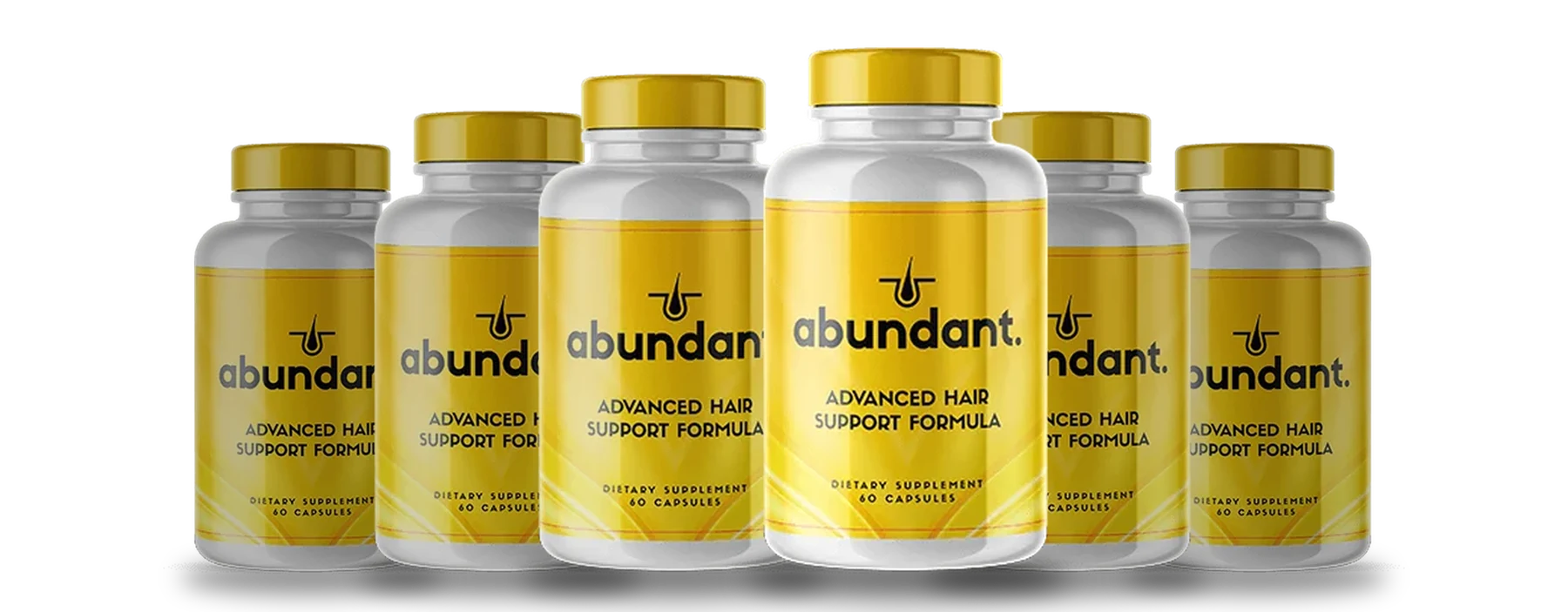
Both nutrients, one capsule
Abundant pairs biotin with zinc — plus hair-focused vitamins and botanicals — in one once-daily capsule, so you are not choosing between two half-answers. The six-bottle bundle is the best value at $49 per bottle, with free U.S. shipping and a 60-day guarantee.
Order Abundant — from $49/bottleCan you take biotin and zinc together?
Yes — biotin and zinc are routinely combined in hair formulas because they support different steps of the same process and do not meaningfully compete for absorption at everyday doses. Taking them together, ideally with a meal, is both common and convenient, and it means one capsule can cover both bases instead of juggling two bottles on different schedules.
Do biotin and zinc compete for absorption?
At the modest amounts used in a daily hair supplement, biotin and zinc do not block one another; the main absorption caution with zinc is very high isolated doses over a long period, which can interfere with copper. This is why a well-designed formula uses moderate zinc rather than a mega-dose. Biotin, being water-soluble, carries a wide margin of safety, and any excess is simply excreted.
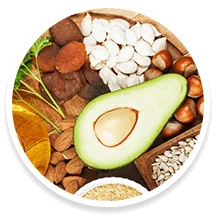
How much biotin and zinc does Abundant provide?
Abundant is designed around the both-not-either principle, pairing biotin with zinc alongside supporting vitamins and botanicals in one once-daily capsule. Rather than chase a headline number on one nutrient, the formula uses sensible amounts of each so the two can do their separate jobs. The precise figures are printed on the supplement facts panel — you can read the full Abundant review and label here to see the exact dose in Abundant rather than trusting a figure that might change between batches. Alongside biotin and zinc, the blend folds in vitamins A, C and E, pantothenic acid, iodine, selenium and botanicals such as saw palmetto and horsetail.
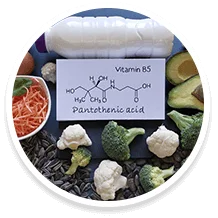
Who should think about biotin, zinc, or both?
The people most likely to notice a difference are those who were genuinely low to start with — but because it is hard to know which without testing, a combined low-dose approach is the pragmatic default. If you eat a varied omnivorous diet, your biotin is probably fine and a broad formula mainly acts as insurance. If you eat mostly plants, are older, or have a gut condition that affects absorption, zinc is the more plausible gap. In either case, a supplement is a top-up to a good plate, not a substitute — a point we make in our guide to the best foods for healthy hair.
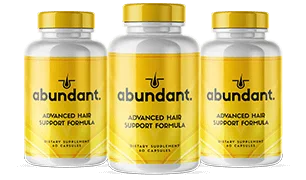
Check today’s Abundant pricing →
The bottom line
Biotin vs zinc for hair is the wrong framing, because the two nutrients answer different questions: biotin helps build keratin, zinc keeps the follicle dividing and repairing. Each shows its clearest benefit when a real shortfall is corrected, and since most people cannot easily tell which they are missing, a moderate daily amount of both is the sensible bet. That is why Abundant supplies biotin and zinc together in one hair-focused blend, rather than asking you to gamble on one.
Frequently asked questions
Is biotin or zinc better for hair?
Neither is universally better because they do different jobs. Biotin is a B-vitamin cofactor for building keratin, while zinc is a mineral that powers the follicle's cell division and repair. Whichever one you are short of is the one most likely to help, which is why a combined low-dose approach makes practical sense for most people.
Can I take biotin and zinc at the same time?
Yes. Biotin and zinc are routinely combined in hair formulas because they support different steps of the same process and do not meaningfully compete for absorption at the modest amounts used in a daily supplement. Taking them together with a meal is common and convenient.
How much biotin and zinc are in Abundant?
Abundant supplies both biotin and zinc in one daily capsule alongside supporting vitamins and botanicals. The exact amounts are printed on the supplement facts panel, which you can review on the product page before you buy, rather than us restating a figure that could change between batches.
Will biotin or zinc regrow hair?
No supplement is a guaranteed regrowth treatment, and neither biotin nor zinc should be described that way. The clearest, best-documented benefits appear when a genuine shortfall is corrected. For someone already well nourished, adding more of either nutrient has limited evidence behind it, and results vary from person to person.
Can too much zinc cause problems?
Yes. Very high isolated doses of zinc taken over a long period can interfere with copper absorption and cause other issues, which is why sensible formulas use moderate amounts rather than mega-doses. Staying near everyday nutritional levels avoids this trade-off.
How long before biotin and zinc show results in hair?
Hair grows slowly, roughly a centimetre a month, so any nutritional change takes weeks to months to reach the visible length. Most people give a consistent routine at least three to six months before judging it, and individual results vary.
Try Abundant risk-free for 60 days →
Abundant is a dietary supplement, not a treatment for any medical condition. These statements have not been evaluated by the Food and Drug Administration. This product is not intended to diagnose, treat, cure or prevent any disease. Always consult a qualified healthcare professional about your individual needs.
References & further reading
- National Institutes of Health, Office of Dietary Supplements. Biotin — Fact Sheet for Health Professionals. ods.od.nih.gov/factsheets/Biotin-HealthProfessional
- National Institutes of Health, Office of Dietary Supplements. Zinc — Fact Sheet for Health Professionals. ods.od.nih.gov/factsheets/Zinc-HealthProfessional
- Patel DP, Swink SM, Castelo-Soccio L. A Review of the Use of Biotin for Hair Loss. Skin Appendage Disorders / PubMed. pubmed.ncbi.nlm.nih.gov/28879195
- Kil MS, Kim CW, Kim SS. Analysis of serum zinc and copper concentrations in hair loss. Ann Dermatol. 2013. Kil et al. 2013, Ann Dermatol — PubMed 24371385
- Examine.com. Zinc — evidence-based summary. examine.com/supplements/zinc
These references describe nutrients in general terms and do not constitute evidence that any product treats, cures or prevents any condition.
Keep reading: biotin for hair growth · zinc for hair growth · vitamins and minerals for hair · back to the Abundant blog · homepage.