Horsetail extract and silica for hair: how Abundant uses this old botanical

Updated September 2026 · reviewed by the Abundant Research Team. We are an independent information resource, not a medical provider, and this article is educational rather than medical advice.
Horsetail extract for hair is a silica-rich botanical that people have reached for over generations to support hair and nail strength. The plant, Equisetum arvense, is one of the richest natural sources of silica — a mineral tied to the connective tissue around the follicle. This guide explains what horsetail and silica actually do, weighs the evidence honestly, and shows where a modest dose fits inside the Abundant daily capsule.
Horsetail, silica and hair — the honest version.
- What it is
- Horsetail (Equisetum arvense) is a fern-like plant valued as a plant source of silica.
- Why hair cares
- Silica is part of the collagen-rich tissue that surrounds and supports the hair follicle.
- What the evidence shows
- Traditional use is long; rigorous human hair trials are limited, so treat it as supportive, not a cure.
- Where Abundant uses it
- As one standardised botanical beside biotin, zinc and hair-focused vitamins — not a mega-dose.
Few hair botanicals have a longer track record than horsetail, and few are more misunderstood. It is neither a miracle nor a gimmick — it is a plant that happens to concentrate silica, a mineral your body uses in skin, nails and the tissue around each follicle. Below we unpack what the research does and does not support. For the wider nutrient picture, see our companion guide to vitamins and minerals for hair.
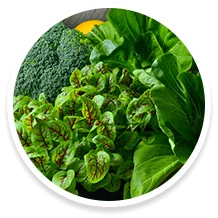
What is horsetail extract?
Horsetail extract is a concentrated preparation of the Equisetum arvense plant, a fern-like herb used in traditional European and Asian practice for centuries. The plant is unusual in how much silica it accumulates from the soil, which is why it appears in hair, skin and nail products today. A quality supplement uses a standardised extract, meaning the silica content is measured and consistent from batch to batch. That standardisation matters more than the raw plant, because wild horsetail varies widely and can be confused with a less desirable species.
Where does horsetail get its silica?
Silica is silicon combined with oxygen, and horsetail draws it up from the ground as it grows, storing it throughout the stem. That is why the dried plant can feel gritty, and why it earned the old nickname “scouring rush.” In a modern extract, that silica is delivered in a plant matrix alongside small amounts of flavonoids, rather than as an isolated mineral powder.
What is silica and why does hair care about it?
Silica is a trace mineral your body uses in connective tissue, including the collagen-rich structures that surround and anchor the hair follicle. Hair itself is built mainly from the protein keratin, but the follicle sits within a supportive bed of collagen and elastin, and silica is associated with the health of that tissue. The theory behind silica for hair is straightforward: a well-supported follicle bed is a better environment for the strand it produces. It is an appealing idea, and a plausible one — but plausibility is not the same as proof, which is where honesty matters.

Do we get enough silica from food already?
Most people take in silica every day without thinking about it, from whole grains, oats, bananas, leafy greens and drinking water. There is no formal recommended daily intake for silicon in many countries, which tells you how unsettled the science is. For a healthy person eating a varied diet, outright shortfall is uncommon — so a supplement’s role here is a modest top-up, not the correction of a widespread deficiency.
What does the evidence actually say about horsetail and silica for hair?
The honest evidence for horsetail and silica in hair is a mix of long traditional use, laboratory rationale, and a small number of human studies of modest quality. A handful of trials on silicon compounds such as orthosilicic acid have reported improvements in hair or nail measures, but they are small, sometimes industry-linked, and not specific to horsetail extract. Horsetail on its own has very little high-quality human hair research behind it. The fair summary is that horsetail silica is a reasonable supporting ingredient with weak-to-moderate evidence — worth including in a balanced formula, but not something to expect dramatic, standalone results from.
| Claim | Evidence strength | Honest read |
|---|---|---|
| Rich source of silica | Strong | Well established — horsetail genuinely concentrates silica. |
| Silica supports connective tissue | Moderate | Biologically plausible and partly supported. |
| Makes hair grow faster | Weak | Not demonstrated for horsetail specifically. |
| Improves nail/hair strength | Preliminary | Some small silicon trials, not horsetail-specific. |
| Replaces core nutrients | None | No — it is a botanical add-on, not a substitute. |
See the exact dose in Abundant →
How does horsetail compare with other hair botanicals?
Horsetail rarely works alone, and it was never meant to. In most well-built hair formulas it sits alongside a small cast of other botanicals and nutrients, each playing a different supporting role. Understanding those roles helps set realistic expectations: horsetail brings silica, biotin and zinc cover core nutrient bases, and botanicals such as saw palmetto are included for different reasons entirely. The table below puts the common players side by side.
| Ingredient | Primary role | Typical evidence |
|---|---|---|
| Horsetail extract | Plant silica for connective tissue | Traditional + preliminary |
| Biotin | B-vitamin for keratin metabolism | Clear when deficient |
| Zinc | Protein synthesis & follicle repair | Clear when low |
| Saw palmetto | Botanical, hormone-pathway interest | Mixed, early |
| Vitamin C | Collagen & iron absorption | Well established |
Is plant silica better than a synthetic silica supplement?
This is a common question with an unglamorous answer: neither is clearly superior for hair. Horsetail delivers silica within a plant matrix, while stabilised forms such as orthosilicic acid are engineered for absorption. Both are supporting nutrients with modest evidence, so the source of the silica matters far less than the overall balance and quality of the formula it lives in. A well-designed capsule that pairs a sensible dose of horsetail with proven nutrients beats a mega-dose of any single silica source.
How does Abundant use horsetail and silica?
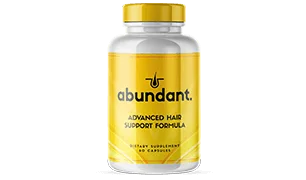
Abundant treats horsetail the way the evidence suggests it should be treated: as one standardised botanical inside a broader, balanced daily capsule — never as the star of a mega-dose. It sits alongside biotin, zinc, iodine, selenium, pantothenic acid and vitamins A, C and E, plus saw palmetto, so the silica horsetail provides is one supporting note in a fuller chord. You can read the precise amount on the Abundant supplement facts panel; we deliberately avoid the marketing habit of shouting a single ingredient. Take the capsule with a meal so the fat-soluble vitamins that ride alongside it absorb well.
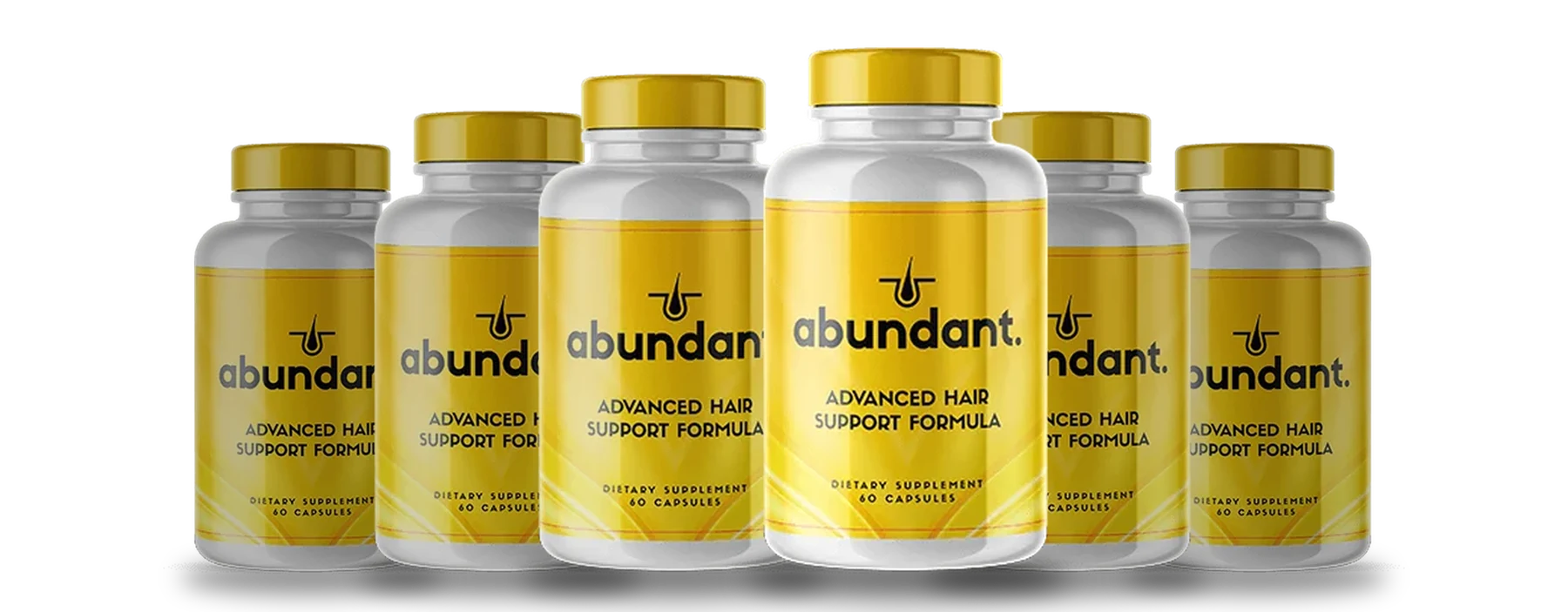
Silica, in balance
Abundant pairs standardised horsetail silica with biotin, zinc and hair-focused vitamins in one daily capsule. The six-bottle bundle is the best value at $49 per bottle, with free U.S. shipping and a 60-day guarantee.
Check today’s Abundant pricing — from $49/bottleIs horsetail extract safe, and how should you take it?
For most healthy adults, standardised horsetail extract at label doses is generally well tolerated for short-to-medium periods. A few sensible cautions apply. Horsetail has a mild diuretic effect, so it is not the herb to over-do; raw or poorly processed horsetail can contain an enzyme (thiaminase) that affects vitamin B1, which is why a properly prepared, standardised extract is the safe choice. As with any supplement, follow the label rather than assuming more is better, and pair it with the basics that actually move the needle — enough protein, iron and zinc, and gentle hair care.
Who should check with a professional first?
Anyone who is pregnant or breastfeeding, has a kidney condition, takes lithium, diuretics or diabetes medication, or is managing a chronic illness should speak to a qualified healthcare professional before adding horsetail or any new supplement. This is standard, sensible caution rather than a red flag specific to Abundant, and it applies to botanical ingredients generally.

How long before horsetail or silica shows any effect?
Any nutritional support for hair works on hair’s own slow timeline: strands grow roughly a centimetre a month, so changes take weeks to months to reach visible length. That is true of horsetail, silica, biotin and every other nutrient. The people most likely to notice a difference are those correcting a genuine shortfall, and even then consistency over three to six months, alongside a good diet and gentle care, is what counts. Results vary from person to person and are never guaranteed.
The bottom line on horsetail and silica for hair
Horsetail extract earns its place in a hair formula as a plant source of silica with a long history of traditional use and a plausible, if not fully proven, rationale. It is a supporting ingredient, not a cure, and it works best as one balanced note beside proven nutrients like biotin and zinc. That is exactly how Abundant uses it — a sensible, standardised dose in a broader daily capsule, with no inflated promises. Build the basics first, add a balanced supplement if you want the convenience, and give it time.
Horsetail rarely appears alone on a label, and its usual companions are B-vitamins rather than other botanicals. The clearest of those is pantothenic acid, vitamin B5, and what it does for hair — another ingredient with a long cosmetic reputation and a much narrower evidence base than the marketing suggests.
Frequently asked questions
What is horsetail extract used for in hair supplements?
Horsetail extract is included mainly as a plant source of silica, a mineral traditionally associated with the strength of hair, skin and nails. In a supplement it acts as a botanical top-up alongside nutrients such as biotin and zinc rather than a standalone treatment, and the evidence for it is traditional and preliminary rather than definitive.
Does silica actually help hair grow?
Silica is part of the connective tissue around the follicle and is often linked with hair and nail quality, but strong human trials showing it makes hair grow faster are limited. It is best understood as one supporting nutrient among several, not a proven growth agent, and results vary from person to person.
Is horsetail extract safe to take daily?
For most healthy adults, standardised horsetail extract taken at label doses is generally well tolerated for short periods. Because horsetail can have a mild diuretic effect and quality varies between products, it is sensible to choose a standardised extract, follow the label, and check with a healthcare professional if you are pregnant, breastfeeding, or take medication.
How much horsetail silica is in Abundant?
Abundant includes horsetail as one botanical within a broader daily formula rather than as a mega-dose. The exact amount is printed on the supplement facts panel, which you can see on the product page. The formula pairs it with biotin, zinc and hair-focused vitamins rather than relying on horsetail alone.
Is plant silica from horsetail better than a silica supplement?
Neither is clearly superior for hair. Horsetail provides silica in a botanical matrix, while stabilised forms such as orthosilicic acid are designed for absorption. Both remain supporting nutrients with modest evidence, so the more important question is the overall quality and balance of the formula rather than the silica source alone.
How long before horsetail or silica shows any effect on hair?
Hair grows roughly a centimetre a month, so any nutritional support takes weeks to months to reach visible length. Consistency over three to six months is what matters, alongside a nutrient-rich diet and gentle hair care. Individual results vary and are not guaranteed.
Try Abundant risk-free for 60 days →
Abundant is a dietary supplement, not a treatment for any medical condition. These statements have not been evaluated by the Food and Drug Administration. This product is not intended to diagnose, treat, cure or prevent any disease. Always consult a qualified healthcare professional about your individual needs.
References & further reading
- National Center for Complementary and Integrative Health (NCCIH). Herbs at a Glance — herbal safety and evidence. nccih.nih.gov/health/herbsataglance
- Johnson W, Bergfeld WF, Belsito DV, et al. (Cosmetic Ingredient Review Expert Panel). Safety Assessment of Equisetum arvense-Derived Ingredients as Used in Cosmetics. Int J Toxicol. 2026. Johnson et al. 2026, Int J Toxicol — PubMed 41069090
- Wickett RR, Kossmann E, Barel A, et al. Effect of oral intake of choline-stabilized orthosilicic acid on hair tensile strength and morphology in women with fine hair. Arch Dermatol Res. 2007. Wickett et al. 2007, Arch Dermatol Res — PubMed 17960402
- National Institutes of Health, Office of Dietary Supplements. Biotin — Fact Sheet for Health Professionals. ods.od.nih.gov/factsheets/Biotin-HealthProfessional
- National Institutes of Health, Office of Dietary Supplements. Zinc — Fact Sheet for Health Professionals. ods.od.nih.gov/factsheets/Zinc-HealthProfessional
These references describe ingredients and nutrients in general terms and do not constitute evidence that any product treats, cures or prevents any condition.
Keep reading: biotin for hair growth · vitamins and minerals for hair · best foods for healthy hair · back to the Abundant blog · homepage.