Collagen vs biotin for hair: where Abundant fits in the debate

Updated September 2026 · reviewed by the Abundant Research Team. We are an independent information resource, not a medical provider, and this article is educational rather than medical advice.
Collagen and biotin are the two supplements most people reach for when they want stronger hair, but they are not the same thing and they do not do the same job. Collagen is a protein that supplies amino-acid building blocks, while biotin is a B-vitamin your body needs to turn those blocks into keratin. This guide compares collagen vs biotin for hair honestly — what each does, what the evidence really shows, and where a blended formula like Abundant fits alongside them.
Collagen or biotin — the short version.
- Biotin
- A B-vitamin needed to build keratin; only makes a visible difference if you are genuinely low.
- Collagen
- A protein that supplies amino acids like glycine and proline; early, encouraging, but not definitive evidence for hair.
- The collagen biotin difference
- Biotin is a spark plug, collagen is fuel — different roles, not rivals.
- Where Abundant fits
- A biotin-led vitamin and botanical blend meant to sit alongside a protein-rich diet, not replace it.
If you have been told to pick between collagen or biotin for hair, the framing itself is a little misleading. They sit at different points in the same chain: one delivers raw material, the other helps your body assemble it. Below we unpack each, weigh the evidence, and show where Abundant sits between the two. For the vitamin's own deep dive, see our guide to biotin for hair growth.

What is the difference between collagen and biotin for hair?
The core collagen biotin difference is simple: collagen is a protein you eat, while biotin is a vitamin that helps your body use protein. Collagen breaks down in digestion into amino acids — particularly glycine, proline and hydroxyproline — that can be recycled into any protein your body chooses to build, including the keratin in hair. Biotin, by contrast, is a coenzyme: it does not become part of the hair, but it powers the enzymes that assemble keratin and metabolise fats and amino acids. One is a raw material; the other is a tool that shapes it.
What does collagen actually do?
Collagen is the most abundant structural protein in the body, forming much of the skin, connective tissue and the sheath around each hair follicle. Taking a collagen supplement is essentially eating a specific protein, which your gut digests into amino acids that join a shared pool the body draws on. Collagen is not uniquely magical here — eggs, fish or beans supply amino acids too — but it is rich in glycine and proline, which are less plentiful in many everyday diets.
What does biotin actually do?
Biotin, also called vitamin B7, is a water-soluble vitamin that acts as a helper molecule for five key enzymes. Without enough biotin, those enzymes slow down, and because hair and nails are protein-hungry and fast-growing, a true deficiency can show up there first. The important nuance is that topping up biotin only helps if you were short to begin with. In someone who already gets enough — which is most people — extra biotin is simply excreted, not stored as thicker hair.

Collagen for hair: what the evidence says
Collagen for hair rests on a plausible mechanism but a thin evidence base. The logic is sound: hair is protein, collagen provides amino-acid building blocks, so more blocks might help. Several small studies show collagen peptides can improve skin elasticity, and skin and scalp health are related. But well-designed trials measuring hair growth or shedding specifically after collagen are limited, and many are short or industry-funded. Honest reading: collagen is a reasonable dietary protein that may help at the margins, not a proven hair treatment. Ingested collagen is also dismantled into amino acids first, and where they end up is decided by the body, not the label — which is why adequate protein from any source matters more than the word on the tub.
Biotin for hair: what the evidence says
Biotin for hair has stronger evidence, but only in a narrow group of people. The clearest results come from individuals with a genuine biotin deficiency, where supplementation reliably improves hair and nail changes. Deficiency is uncommon, and can follow prolonged antibiotic use, certain genetic conditions, pregnancy or a diet very high in raw egg whites. In people without a shortfall, high-dose biotin has not been shown to grow more hair, and reviews repeatedly note the absence of strong evidence for cosmetic use in healthy adults.
One safety footnote deserves attention: very high biotin doses can interfere with some laboratory tests, including thyroid and heart panels, producing misleading results. It is safe in normal amounts but not harmless in every context, so tell your doctor if you take a high-dose product. Our fuller breakdown lives in the biotin for hair growth guide.
| Feature | Collagen | Biotin |
|---|---|---|
| What it is | A structural protein | A B-vitamin (B7) |
| Role for hair | Supplies amino-acid building blocks | Helps enzymes build keratin |
| Evidence for hair | Early, mixed, mostly skin data | Strong only if deficient |
| Who may benefit | Low-protein or low-glycine diets | People genuinely low in biotin |
| Typical form | Powder or peptide, larger doses | Capsule, micrograms |
| Main caution | Weak proof it targets hair | Can skew some lab tests at high doses |
See the exact biotin dose in Abundant →
Collagen or biotin: which should you choose for hair?
For most people, the best choice between collagen or biotin is not either one in isolation but an adequate overall diet. If your protein intake is genuinely low, collagen can be a convenient way to fill that gap. If you have a suspected biotin shortfall, biotin is the targeted answer. But for a healthy adult eating varied meals, neither on its own tends to be transformative — which is exactly why blended hair formulas combine biotin with other nutrients rather than betting on a single hero ingredient. Put simply, biotin is the spark plug and dietary protein is the fuel; zinc, selenium, iron and vitamins A, C and E all play supporting roles too, so chasing one nutrient rarely delivers what people hope.
| Your situation | Most sensible focus |
|---|---|
| Low overall protein intake | Protein first (food or collagen) |
| Suspected biotin deficiency | Biotin, ideally after testing |
| Healthy, varied diet | Diet stays the foundation; a blend can top up |
| Want one simple daily step | A multi-nutrient hair blend |
| Taking regular medication | Check with a pharmacist before any supplement |
Where does Abundant fit between collagen and biotin?
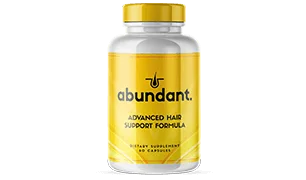
Abundant sits deliberately on the biotin side of this comparison while respecting the protein side. It is a once-daily capsule built around biotin and paired with zinc, selenium, iodine and vitamins A, C and E, plus botanicals such as saw palmetto and horsetail. It is not a collagen powder — the amino acids collagen provides are meant to come from your plate, which is why we treat protein-rich food as the base and Abundant as the vitamin-and-mineral top-up around it. In practice it answers the biotin question in a measured dose and the wider micronutrient question in one step, leaving the “enough protein” question to your diet where it belongs. You can read the full formula on the Abundant review.
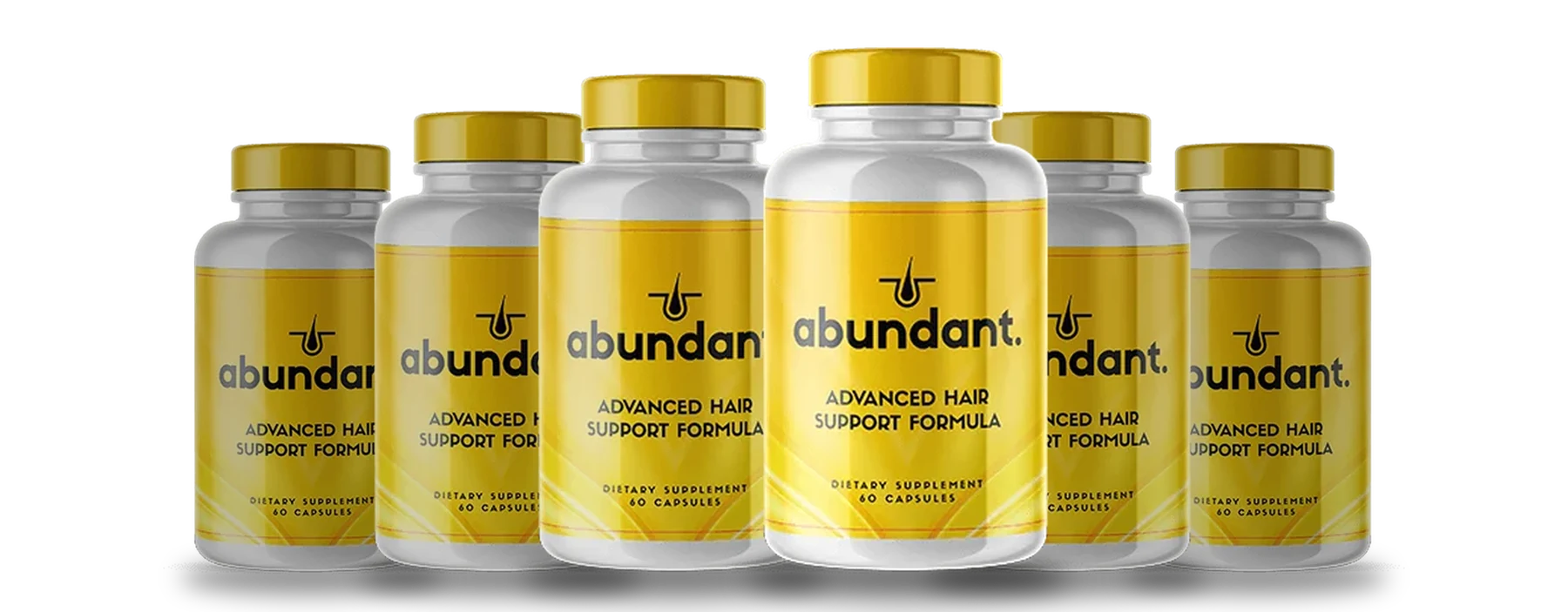
One daily capsule, not a cupboard of tubs
Abundant pairs biotin with zinc, selenium and hair-focused vitamins in a single capsule — designed to work alongside a protein-rich diet. The six-bottle bundle is the best value at $49 per bottle, with free U.S. shipping and a 60-day guarantee.
Check today’s Abundant pricing — from $49/bottleHow do you use collagen, biotin or a blend safely?
Whichever route you pick, the safe approach is consistency at sensible doses rather than mega-dosing any single nutrient. Collagen is usually a daily powder stirred into food; biotin is best kept near normal intake unless a professional advises otherwise; and a blend like Abundant is taken as one capsule with a meal so the fat-soluble vitamins absorb well. Give any of them time — hair grows slowly, so three to six consistent months is a fair trial. A few habits help too: eat protein at each meal, be gentle with heat styling, and protect sleep. For the food side, our guide to the best foods for healthy hair lays out a daily pattern that supplies both the amino acids collagen is famous for and the biotin found across everyday meals.
The bottom line on collagen vs biotin
Collagen vs biotin for hair is less a contest than a division of labour: collagen supplies protein building blocks, biotin helps assemble them, and a nutrient-rich diet supplies both without a label. Biotin only visibly helps if you are low; collagen is a reasonable protein source with modest, early evidence. For most people the smartest move is to eat well first, then use a measured blend to cover the vitamins and minerals that are easy to miss. That is precisely the gap Abundant is built to fill.
Both sides of this comparison eventually run into the same protein. Hair is built from keratin, so what matters is whether a supplement supplies the building blocks or the machinery that assembles them — which is why the detail on keratin and the amino acids hair is made from settles more of this argument than either marketing claim does.
Frequently asked questions
Is collagen or biotin better for hair?
Neither is clearly better, because they work in different ways. Biotin is a B-vitamin your body needs to build keratin, and it only makes a visible difference when you are genuinely low. Collagen supplies amino acids that are building blocks for hair proteins, with early but not definitive evidence. For most people the practical answer is an overall nutrient-rich diet rather than choosing one alone.
Can you take collagen and biotin together?
Yes. Collagen and biotin do different jobs and are commonly taken together without any known interaction. Many hair formulas pair biotin with amino acids or protein for this reason. As with any supplement, keep to sensible doses and speak to a pharmacist or doctor if you take medication.
Does collagen actually help hair grow?
The honest answer is that the evidence is early and mixed. Collagen provides amino acids such as glycine and proline that the body can use to make its own proteins, and some small studies on skin are encouraging, but robust trials showing collagen grows hair specifically are limited. It is best seen as one dietary protein source rather than a proven hair treatment.
How much biotin do you need for hair?
The adequate intake for adults is about 30 micrograms of biotin a day, an amount most balanced diets already supply. Many supplements contain far more, but higher doses only help people who are actually deficient, which is uncommon. Very high biotin can also interfere with some lab tests, so tell your doctor if you take it.
Does Abundant contain collagen?
Abundant is a vitamin, mineral and botanical blend built around biotin rather than a collagen powder. It supplies biotin along with zinc, selenium and vitamins A, C and E, plus botanicals, in one daily capsule. It is designed to work alongside a protein-rich diet, which is where the amino acids that collagen also provides come from.
How long before collagen or biotin shows in hair?
Hair grows only about a centimetre a month, so any nutritional change takes weeks to months to reach visible length. Give a consistent routine at least three to six months before judging it, and remember that individual results vary and no supplement replaces a balanced diet.
See the exact dose in Abundant — try it risk-free for 60 days →
Abundant is a dietary supplement, not a treatment for any medical condition. These statements have not been evaluated by the Food and Drug Administration. This product is not intended to diagnose, treat, cure or prevent any disease. Always consult a qualified healthcare professional about your individual needs.
References & further reading
- National Institutes of Health, Office of Dietary Supplements. Biotin — Fact Sheet for Health Professionals. ods.od.nih.gov/factsheets/Biotin-HealthProfessional
- Mayo Clinic. Biotin — Drugs & Supplements. mayoclinic.org/drugs-supplements-biotin/art-20366251
- Examine.com. Collagen — evidence summary. examine.com/supplements/collagen
- National Center for Complementary and Integrative Health (NCCIH). Dietary and Herbal Supplements. nccih.nih.gov/health/dietary-and-herbal-supplements
- Choi FD, Sung CT, Juhasz ML, Mesinkovska NA. Oral Collagen Supplementation: A Systematic Review of Dermatological Applications. J Drugs Dermatol. 2019. Choi et al. 2019, J Drugs Dermatol — PubMed 30681787
These references describe nutrients in general terms and do not constitute evidence that any product treats, cures or prevents any condition.
Keep reading: biotin for hair growth · best foods for healthy hair · vitamins and minerals for hair · back to the Abundant blog · homepage.