Keratin amino acids for hair: the building blocks inside Abundant

Updated September 2026 · reviewed by the Abundant Research Team. We are an independent information resource, not a medical provider, and this article is educational rather than medical advice.
Keratin is the tough structural protein your hair is mostly built from, and amino acids are the small molecules your body links together to make it. Understanding that chain — amino acids in your food, keratin in your strands — explains almost everything about protein and hair, and it shows exactly where a formula like Abundant fits: not by handing you finished keratin, but by supporting the raw materials and cofactors your body uses to build its own.
Keratin amino acids for hair, in one place.
- What keratin is
- The fibrous protein that makes up roughly 90% of a hair strand.
- What builds it
- Amino acids, especially the sulphur-rich pair cysteine and methionine.
- Can you eat keratin?
- Not usefully — digestion breaks it back into amino acids first.
- Where Abundant fits
- It supports your own keratin production with protein cofactors, not finished keratin.
If you have ever seen a shampoo promise “keratin” on the label, it is worth knowing what that word means inside a strand — and why the more important story is happening on your plate. Below we look honestly at what supplements can and cannot do, and show where Abundant fits. For the wider nutrient view, see our guide to vitamins and minerals for hair.
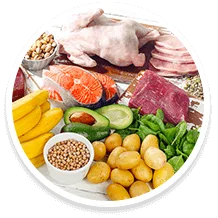
What is keratin, and why is your hair made of it?
Keratin is a fibrous, sulphur-rich structural protein, and it makes up roughly 90% of every hair strand. The same family of proteins forms your nails and the outer layer of your skin, which is why all three are tough and built to take wear. In hair, keratin chains twist together into ropes that bundle into the fibres giving a strand its tensile strength. When people talk about “strong hair,” they are really talking about well-formed keratin.
How do amino acids build keratin?
Amino acids are the individual building blocks your body strings together, in a specific order, to make any protein — keratin included. There are twenty of them in human proteins, nine “essential,” meaning you must get them from food. When you eat protein, digestion dismantles it into these free amino acids; your follicle cells then draw on that pool and reassemble them into new keratin. In other words, the keratin in your hair today was, not long ago, protein on your plate — which is why dietary protein matters for hair.
Which amino acids matter most for keratin?
The sulphur-containing amino acids do the defining work in keratin. Cysteine is the star: its sulphur atoms form disulphide bridges — strong cross-links that lock keratin chains together and give hair much of its firmness and resilience. Methionine matters too, both in its own right and because the body can convert it into cysteine. Beyond that pair, hair keratin is rich in glutamic acid, serine, glycine, proline and arginine. No single amino acid works alone, though: to build even one keratin molecule your body needs the full set at once, so overall protein quality matters more than any one “hair amino acid.”
| Amino acid | Role in keratin | Everyday food sources |
|---|---|---|
| Cysteine | Forms disulphide cross-links that strengthen strands | Eggs, poultry, dairy, sunflower seeds, oats |
| Methionine | Essential; converts to cysteine | Eggs, fish, meat, Brazil nuts, sesame |
| Arginine | Abundant in the hair shaft | Turkey, soy, pumpkin seeds, peanuts, lentils |
| Glycine & proline | Structural & flexible regions of the fibre | Bone-in meats, gelatin, dairy, legumes |
| Lysine | Essential; involved in hair-root tissue | Meat, fish, dairy, beans, quinoa |
See the keratin-building nutrients in Abundant →
Can you eat protein for hair?
Eating enough protein is the most direct dietary lever you have over your hair's raw materials. Because hair is built from keratin, a diet chronically short of protein can, over time, show up as weaker or more easily shed strands, and severe shortfalls are a recognised cause of diffuse hair changes. Most people need a reliable, good-quality protein source at each meal, not an unusual amount. Animal proteins such as eggs, fish, dairy and lean meat are “complete,” supplying every essential amino acid, while plant eaters can hit the same target by combining legumes, grains, nuts, seeds and soy across the day.
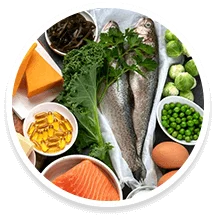
How much protein does hair actually need?
There is no special “hair dose” of protein — the follicle draws from the same amino-acid pool as the rest of your body. General guidance for adults sits around 0.8 grams per kilogram of body weight per day, with more for older and very active people. In practice, that means a palm-sized portion of a protein food at each main meal. Eat that way most days and your follicles are unlikely to be short of raw material; it is when intake is genuinely low — crash dieting, illness or a restrictive diet — that hair tends to feel it.
Why does Abundant include keratin-building amino acids and cofactors?
Abundant is designed to support your body's own keratin production rather than to deliver finished keratin, because you cannot simply swallow keratin and route it to your hair. Instead, the formula focuses on nutrients that help turn dietary amino acids into new protein: biotin and pantothenic acid, both B-vitamins involved in metabolism; zinc, needed for protein synthesis and repair; and antioxidant vitamins that support the scalp. Paired with a protein-adequate diet, that is the sensible role of a daily capsule — covering the cofactors so the amino acids you eat have what they need to become keratin.
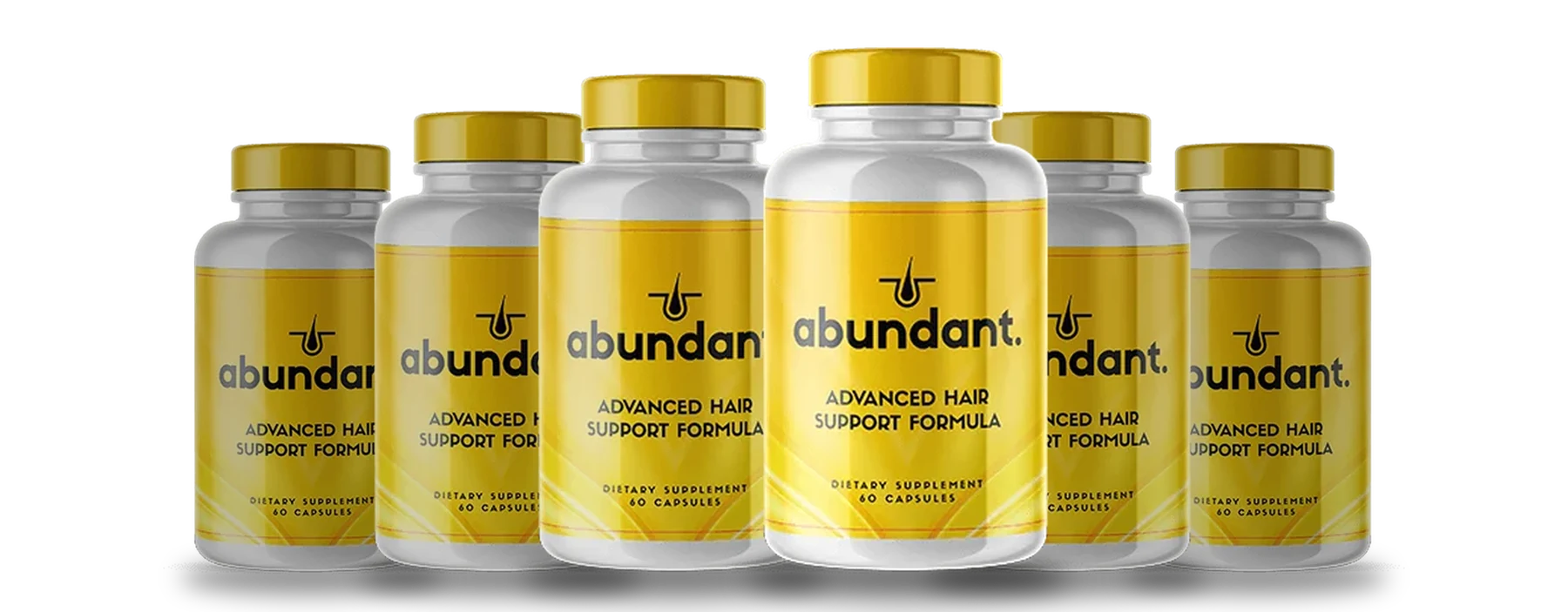
Cover the cofactors
Abundant is a once-daily capsule pairing biotin, pantothenic acid and zinc with hair-focused vitamins — the nutrients your body uses to turn amino acids into keratin. The six-bottle bundle is the best value at $49 per bottle, with a 60-day guarantee.
Check today's Abundant pricing — from $49/bottleDo keratin supplements and topical keratin work?
Here the honest answer is that the evidence is thinner than the marketing. When you swallow a “keratin” capsule, your gut digests it into individual amino acids, which join the general pool your body draws on for everything; there is no biological route that delivers intact dietary keratin to a hair root. Some hydrolysed-keratin ingredients have been studied, but the trials are small and often industry-funded, so the benefit is unproven rather than established. Topical keratin in conditioners can coat and temporarily smooth the outside of a strand, improving feel and shine, but it does not rebuild the living follicle underneath.
Is oral keratin the same as the keratin in your hair?
No, and this is the key misunderstanding the word “keratin” encourages. The keratin in your hair is built by your follicle cells from amino acids and a genetic template unique to you. Keratin on a supplement label is a processed ingredient, usually from wool or feathers, and even if it survived digestion intact it would not slot into your own hair. This is why Abundant is framed around supporting production — supplying nutrients your body can genuinely use — rather than promising ready-made keratin.
| Keratin building block | What it does for hair | Where Abundant helps |
|---|---|---|
| Dietary protein | Supplies the amino acids for new keratin | Complements a protein-rich diet |
| Biotin (vitamin B7) | Coenzyme in keratin-related metabolism | Included in each capsule |
| Pantothenic acid (B5) | Supports metabolism & the scalp | Included in each capsule |
| Zinc | Needed for protein synthesis & repair | Included in each capsule |
| Vitamins A, C & E | Support scalp tissue & antioxidant balance | Included in each capsule |
How can you support your own keratin production?
Supporting keratin comes down to feeding the supply line and protecting what you already grow. Start with the diet: a good-quality protein source at each meal, with eggs, dairy, fish, soy and seeds contributing the sulphur amino acids keratin favours. Add the supporting nutrients — zinc, iron and the vitamins in our vitamins and minerals guide. Then guard the strand itself: keratin's disulphide bonds are vulnerable to excessive heat and rough handling, so easing up on hot tools and tight styles preserves the structure you have built. A daily capsule such as Abundant sits alongside those habits as a top-up, not a replacement.
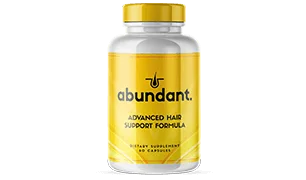
The bottom line on keratin and amino acids
Keratin is the protein that builds your hair, and amino acids — led by cysteine and methionine — are the raw material your body reassembles into it. You cannot shortcut that by eating keratin directly; what helps is enough good-quality protein plus the cofactor nutrients that support protein synthesis. That is the idea behind Abundant: cover the building-block support with a daily capsule, keep protein on your plate, and treat your strands gently.
Amino acids do not assemble themselves. Collagen formation depends on vitamin C as a cofactor, and the same vitamin improves the absorption of non-haem iron from plant foods, which is why vitamin C matters for hair even though it is not a building block of the hair shaft itself.
Frequently asked questions
What are keratin amino acids for hair?
Keratin is the structural protein your hair is mostly made of, and amino acids are the small molecules your body links together to build it. The ones that get the most attention are the sulphur-rich pair, cysteine and methionine, because the bonds between them give a strand much of its strength.
Which amino acid is most important for keratin?
Cysteine is the standout. Its sulphur atoms form the disulphide bridges that cross-link keratin chains and give hair its firmness and shape. Methionine matters too, partly because the body can convert it into cysteine, but no single amino acid works in isolation.
Can I eat keratin to grow hair?
Not directly. Digestion breaks any dietary keratin down into individual amino acids, so you cannot swallow keratin and route it straight to a follicle. What helps is supplying enough total protein and the amino acids your body reassembles into new keratin.
Does Abundant contain keratin?
Abundant is built to support your body's own keratin production rather than deliver finished keratin. Each capsule pairs biotin, zinc and hair-focused vitamins with cofactors involved in protein synthesis. Check the current Abundant label for the exact formula and doses.
Do amino acid supplements regrow hair?
The honest answer is that evidence is limited. Correcting a genuine protein or nutrient shortfall can help hair that suffered because of it, but there is little good evidence that extra amino acids grow more hair in someone who already eats enough protein.
How long before better protein intake shows in hair?
Hair grows slowly, roughly a centimetre a month, so any change to your protein and nutrient intake takes weeks to months to reach the visible length of a strand. Consistency over three to six months is what counts, and individual results vary.
See the exact dose in Abundant — risk-free for 60 days →
Abundant is a dietary supplement, not a treatment for any medical condition. These statements have not been evaluated by the Food and Drug Administration. This product is not intended to diagnose, treat, cure or prevent any disease. Always consult a qualified healthcare professional about your individual needs.
References & further reading
- National Center for Biotechnology Information, StatPearls. Biochemistry, Keratin. ncbi.nlm.nih.gov/books/NBK544326
- National Institutes of Health, Office of Dietary Supplements. Zinc — Fact Sheet for Health Professionals. ods.od.nih.gov/factsheets/Zinc-HealthProfessional
- Harvard T.H. Chan School of Public Health, The Nutrition Source. Protein. nutritionsource.hsph.harvard.edu/what-should-you-eat/protein
- Guo EL, Katta R. Diet and hair loss: effects of nutrient deficiency and supplement use. Dermatol Pract Concept. 2017. Guo & Katta 2017, Dermatol Pract Concept — PubMed 28243487
- Mayo Clinic. Amino acids and protein in the diet. mayoclinic.org/healthy-lifestyle/nutrition-and-healthy-eating
These references describe keratin, amino acids and protein in general terms and do not constitute evidence that any product treats, cures or prevents any condition.
Keep reading: biotin for hair growth · best foods for healthy hair · back to the Abundant blog · homepage.