Vitamin C for hair: the collagen and iron story behind Abundant

Updated September 2026 · reviewed by the Abundant Research Team. We are an independent information resource, not a medical provider, and this article is educational rather than medical advice.
Vitamin C is an essential water-soluble nutrient that hair relies on indirectly: it is required for the body’s normal formation of collagen, it works as an antioxidant, and it markedly improves how much iron you absorb from food. This guide explains what vitamin C for hair really does, separates the evidence from the hype, and shows exactly where vitamin C sits in the Abundant formula.
Does vitamin C help your hair?
Vitamin C does not grow hair on its own, but it supports three things hair depends on: normal collagen formation, everyday antioxidant defence, and the absorption of dietary iron. Because low iron is one of the most cited factors in hair shedding, vitamin C’s biggest hair contribution may be helping you use the iron you eat. Abundant includes it for exactly these supporting roles.
- Collagen
- Vitamin C is a required cofactor for normal collagen synthesis, the tissue that surrounds each follicle.
- Iron absorption
- It converts plant iron into a more absorbable form, boosting uptake from the same meal.
- Antioxidant
- It helps protect cells, including those of the scalp, from everyday oxidative stress.
- In Abundant
- Delivered as ascorbic acid alongside zinc, biotin and other hair-focused nutrients in one daily capsule.
If you have read that vitamin C is a “hair growth vitamin,” it is worth being precise. The honest picture is more supportive than dramatic: vitamin C underpins several processes hair needs, but it is not a growth stimulant and will not reverse pattern hair loss. Below we walk through each role, then place it inside the Abundant formula. For the full-panel view, see our guide to vitamins and minerals for hair.

What does vitamin C actually do for hair?
Vitamin C, chemically ascorbic acid, is an essential nutrient the body cannot make or store in large amounts, so it must come from food or a supplement every day. Its relevance to hair is best understood as scaffolding rather than fuel: vitamin C is a required cofactor for the enzymes that build and stabilise collagen, the connective tissue in skin and in the dermal sheath around each follicle. Without enough, normal collagen formation falters, which is why long-standing deficiency shows up first in skin and gums. Outright deficiency is rare for anyone eating fruit and vegetables, but the biochemistry is the reason vitamin C features in hair-focused blends.
Vitamin C and collagen: why the follicle cares
Collagen is the most abundant protein in the body, and vitamin C is non-negotiable for making it. Each hair grows from a follicle wrapped in collagen-rich connective tissue, and the scalp itself is skin that depends on the same protein for structure. Vitamin C acts as a cofactor for the enzymes that cross-link collagen into strong fibres, so adequate intake keeps normal collagen production running and supports the environment hair grows in. To be candid, no strong human trial shows a vitamin C supplement thickening hair in well-nourished people, so the claim we can defend is a supportive one, not a growth promise.
How does vitamin C help iron absorption?
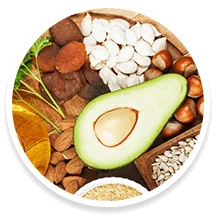
Vitamin C’s most important hair contribution may have nothing to do with hair directly — it is iron. Iron comes in two dietary forms: heme iron from animal foods, which is absorbed easily, and non-heme iron from plants, which is not. Vitamin C reduces non-heme iron to a form the gut absorbs far more readily and can several-fold increase the amount taken up from the same plate. This matters because low iron and depleted ferritin are among the most discussed factors in hair shedding, especially in menstruating women and plant-based eaters. Pairing an iron source with a vitamin C source — lentils with peppers, spinach with a squeeze of lemon — is one of the highest-value habits in a hair-friendly diet.
| Vitamin C role | What the evidence supports | Everyday relevance to hair |
|---|---|---|
| Collagen cofactor | Well established biochemically | Supports the connective tissue around the follicle |
| Iron absorption | Strong; consistently shown in studies | Helps correct the low iron linked with shedding |
| Antioxidant defence | Established role, hair-specific data limited | Helps protect scalp cells from oxidative stress |
| Direct hair growth | Weak / not demonstrated | No reliable evidence of thicker hair in well-fed people |
The table makes the honest hierarchy clear: vitamin C’s value for hair is strongest as an iron-absorption partner and a collagen cofactor, and weakest as a standalone growth agent. That is precisely why a sensible formula includes it as a supporting nutrient rather than a headline “hair grower.”
See the exact dose in Abundant
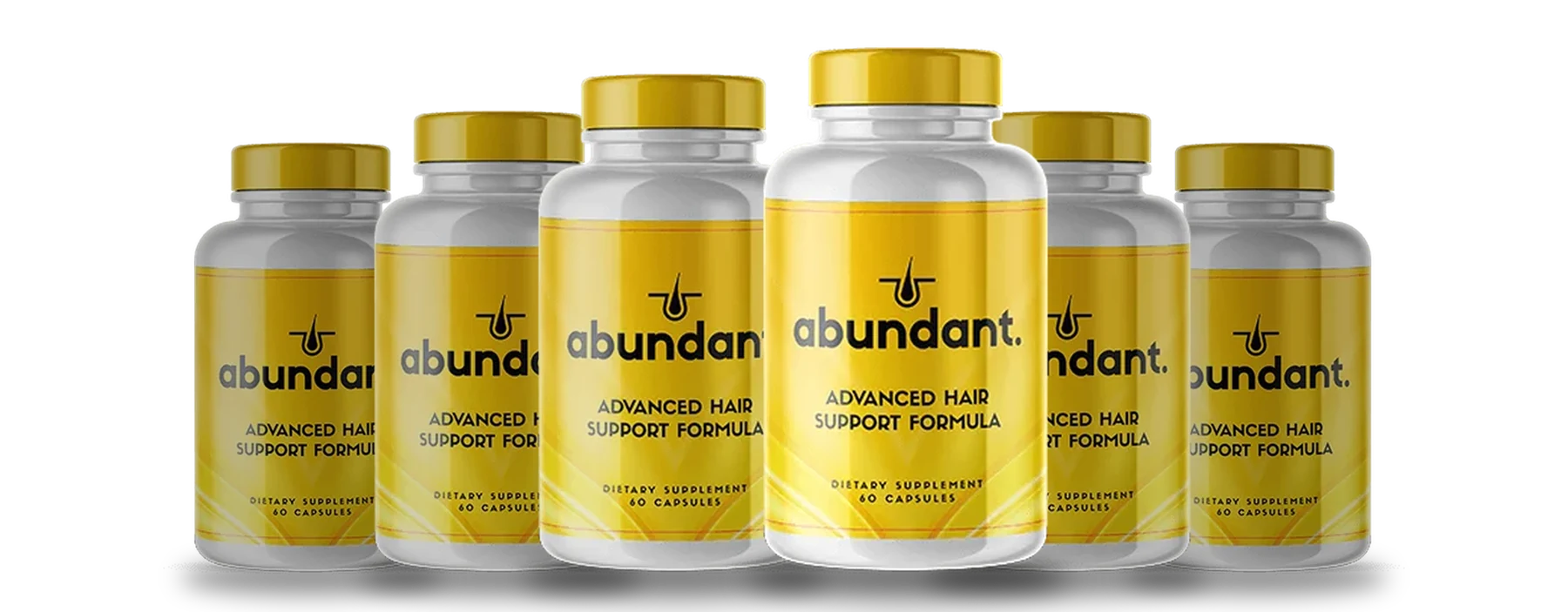
Abundant pairs vitamin C with zinc, biotin and hair-focused vitamins in one daily capsule. The six-bottle bundle is the best value at $49 per bottle, with free U.S. shipping and a 60-day guarantee.
Order Abundant — from $49/bottleIs vitamin C an antioxidant for the scalp?
Vitamin C is one of the body’s primary water-soluble antioxidants, helping to neutralise the reactive molecules produced by normal metabolism, UV exposure and pollution. The scalp is living skin exposed to this everyday oxidative stress, so antioxidant support may help maintain a healthy scalp environment, and vitamin C also regenerates vitamin E. Hair-specific human evidence for antioxidant supplements is limited, so this is a plausible supporting role rather than a proven benefit — vitamin C is a genuine antioxidant, but whether topping it up visibly changes hair in someone who already eats fruit is not established.
Ascorbic acid vs food vitamin C: does the source matter?
Ascorbic acid is simply the chemical name for vitamin C, and it is the form used in most supplements, including Abundant. Once absorbed, the body does not distinguish ascorbic acid in a capsule from the vitamin C in an orange — the molecule is identical. Whole foods bring extra value, because citrus, peppers, berries, kiwi and greens deliver vitamin C alongside fibre and other antioxidants. The reasonable position is that food is the foundation and a supplement is a reliable daily floor: useful on busy weeks, while travelling, or when appetite is low.
| Food (typical serving) | Approx. vitamin C | Also provides |
|---|---|---|
| Red bell pepper, 1 cup | ~190 mg | Beta-carotene, fibre |
| Broccoli, 1 cup cooked | ~100 mg | Vitamin K, fibre |
| Strawberries, 1 cup | ~85 mg | Folate, antioxidants |
| Orange, 1 medium | ~70 mg | Folate, potassium |
| Kiwi, 1 fruit | ~64 mg | Vitamin K, fibre |
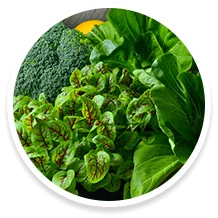
A single pepper or a cup of strawberries covers the daily target. Inside Abundant, vitamin C is a dependable baseline rather than a replacement for this produce.
How much vitamin C do you need for hair?
The recommended daily intake for vitamin C is modest — roughly 75 mg for women and 90 mg for men, with slightly more for smokers — and it is easily met by a couple of servings of fruit and vegetables. Because vitamin C is water-soluble, the body excretes what it does not use, so mega-doses are not stored and are not known to benefit hair further. The goal for hair is sufficiency, not excess, and a supplement that supplies a sensible daily amount — the approach Abundant takes — covers the base reliably.
Where does vitamin C fit in the Abundant formula?
In Abundant, vitamin C is one supporting nutrient in a hair-focused blend rather than the star of the show. Abundant is a once-daily capsule that combines biotin, zinc, vitamins A, C and E, pantothenic acid, iodine and selenium with botanicals such as saw palmetto and horsetail. Vitamin C earns its place for the reasons above: it backs normal collagen formation and works with the vitamin E in the same capsule. Taken with a meal, the fat-soluble vitamins are better absorbed while the vitamin C quietly supports iron uptake.
Check today’s Abundant pricing
Prefer a shorter run first? The three-bottle bundle keeps a daily capsule going without gaps and ships free in the U.S., backed by the same 60-day guarantee.
Check Abundant pricing →The honest bottom line on vitamin C for hair
Vitamin C is a genuine hair-support nutrient, but its value is supportive rather than transformative. The strongest case is practical: it helps you absorb the iron so often linked with shedding, and it is a required cofactor for the collagen your scalp and follicles are built around. What it is not is a growth drug, and no reliable evidence shows extra vitamin C thickening hair in someone who already eats well. Get it first from a colourful plate, and treat a capsule such as Abundant as a convenient daily floor that supplies vitamin C alongside the other nutrients hair relies on.
Frequently asked questions
Does vitamin C help hair grow?
Vitamin C does not directly stimulate hair growth, but it supports processes hair relies on. It is needed for normal collagen formation, acts as an antioxidant, and helps the body absorb the iron that many hair changes are linked to. Its role is supportive rather than a growth trigger.
How does vitamin C help iron absorption for hair?
Vitamin C converts plant (non-heme) iron into a form the gut absorbs more easily and can meaningfully increase how much iron you take up from a meal. Because low iron is one of the most cited nutritional factors in hair shedding, pairing iron-rich foods with vitamin C is a practical everyday habit.
Is ascorbic acid the same as vitamin C in Abundant?
Ascorbic acid is the chemical name for vitamin C, and it is the form most supplements, including Abundant, use. The body does not distinguish ascorbic acid in a capsule from the vitamin C in an orange once it is absorbed.
Can too much vitamin C harm your hair?
Vitamin C is water-soluble, so the body excretes what it does not use, and it is considered safe at normal intakes. Very high doses can cause digestive upset but are not known to benefit hair further. More is not better; a sufficient amount is what matters.
Should I get vitamin C from food or from Abundant?
Both. Whole foods such as citrus, peppers and berries are the best foundation, while a capsule like Abundant is a convenient daily top-up that also supplies vitamin C alongside zinc, biotin and other hair-focused nutrients. A supplement complements food rather than replacing it.
How long before vitamin C makes a difference to hair?
Hair grows slowly, roughly a centimetre a month, so any nutritional change takes weeks to months to reach visible length. Vitamin C works quietly in the background supporting collagen and iron status; consistency over several months matters more than any single dose, and individual results vary.
See the exact dose in Abundant →
Abundant is a dietary supplement, not a treatment for any medical condition. These statements have not been evaluated by the Food and Drug Administration. This product is not intended to diagnose, treat, cure or prevent any disease. Always consult a qualified healthcare professional about your individual needs.
References & further reading
- National Institutes of Health, Office of Dietary Supplements. Vitamin C — Fact Sheet for Health Professionals. ods.od.nih.gov/factsheets/VitaminC-HealthProfessional
- National Institutes of Health, Office of Dietary Supplements. Iron — Fact Sheet for Health Professionals. ods.od.nih.gov/factsheets/Iron-HealthProfessional
- Lynch SR, Cook JD. Interaction of vitamin C and iron. Ann N Y Acad Sci. 1980. Lynch & Cook 1980, Ann N Y Acad Sci — PubMed 6940487
- Harvard T.H. Chan School of Public Health, The Nutrition Source. Vitamin C. hsph.harvard.edu/nutritionsource/vitamin-c
- Mayo Clinic. Vitamin C — overview and dosing. mayoclinic.org/drugs-supplements-vitamin-c
These references describe vitamin C and iron in general terms and do not constitute evidence that any product treats, cures or prevents any condition.
Keep reading: biotin for hair growth · vitamins and minerals for hair · best foods for healthy hair · the Abundant review.