Vitamin A for hair: why the right balance matters, and how Abundant measures it

Updated September 2026 · reviewed by the Abundant Research Team. We are an independent information resource, not a medical provider, and this article is educational rather than medical advice.
Vitamin A is a fat-soluble vitamin the scalp needs in the right amount — enough to keep skin cells and oil glands working normally, but not so much that it tips into harm. It is the one hair nutrient where more is clearly not better: both a shortfall and an excess can leave hair thinner. This guide explains what vitamin A does for the scalp and why Abundant supplies a modest, food-level amount rather than a megadose.
Vitamin A for hair, honestly summarised.
- What it is
- A fat-soluble vitamin (retinol and carotenoids) needed for normal skin-cell turnover.
- The scalp angle
- It supports the sebaceous glands and skin barrier — the scalp is skin.
- The catch
- Too much preformed vitamin A is a recognised cause of hair shedding.
- The smart dose
- Food-level adequacy, near the daily 700–900 mcg RAE target — not high-dose pills.
- In Abundant
- A measured amount of vitamin A inside a broader hair blend, never a stand-alone megadose.
Vitamin A is not one molecule but a group of related compounds. Preformed vitamin A — retinol and its esters — comes from animal foods like liver, eggs and dairy, while plants supply provitamin A carotenoids such as beta-carotene that the body converts as needed. Being fat-soluble, it is stored in the liver rather than flushed out daily, which is exactly why balance matters so much here. For the wider picture, see our guide to vitamins and minerals for hair.
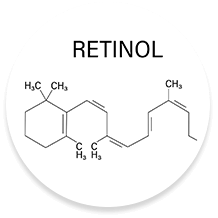
What is vitamin A and why does hair care mention it?
Vitamin A is a fat-soluble vitamin essential for vision, immune function and, most relevant here, the normal growth and turnover of skin cells. The scalp is skin and follicles are specialised skin structures, so a nutrient that governs skin renewal naturally interests hair care. Vitamin A also helps regulate the sebaceous glands that make sebum, the oil that keeps scalp and hair from drying out. That housekeeping role is the honest reason it appears in hair formulas.
What does vitamin A do for scalp health?
Vitamin A supports scalp health by helping skin cells renew on a normal schedule and keeping the oil glands working. When it is genuinely lacking, skin can turn dry, rough and flaky, and the scalp is no exception. The key word is adequate: the benefit comes from having enough, with no bonus for loading up further — the same balanced logic behind vitamin E for hair.
Can too much vitamin A cause hair loss?
Yes — excess vitamin A is one of the clearest nutrient-related causes of hair shedding, which makes this vitamin unusual. Hypervitaminosis A, from high-dose supplements or certain vitamin-A-derived medications, has long been linked to diffuse hair loss. Reassuringly, it is typically reversible: once intake returns to normal, hair generally recovers over the following months.
| Vitamin A status | Effect on skin & hair | Honest read |
|---|---|---|
| Adequate (food-level) | Supportive | Normal skin turnover and sebum — the goal. |
| Deficient | Harmful | Dry, rough skin; recognised but uncommon in well-fed adults. |
| Excess (high-dose) | Harmful | Documented cause of reversible hair shedding. |
| Beta-carotene from food | Low risk | Converted only as needed; no overdose route. |
How much vitamin A do you actually need?
Adults need roughly 700 to 900 micrograms of retinol activity equivalents (RAE) a day, an amount most people meet through ordinary food. The tolerable upper intake level for preformed vitamin A is about 3,000 micrograms RAE a day, and that ceiling matters because the vitamin accumulates in the body. Beta-carotene from plants converts only as required, so it does not carry the same overdose risk as retinol. A colourful diet almost always covers vitamin A, so a supplement should be a modest top-up near the daily requirement.
| Food | Approx. vitamin A | Everyday portion |
|---|---|---|
| Beef liver | ~6,600 mcg RAE | 3 oz (very high) |
| Sweet potato (baked) | ~1,400 mcg RAE | one medium |
| Spinach (cooked) | ~570 mcg RAE | half cup |
| Carrots (raw) | ~460 mcg RAE | half cup |
| Egg | ~75 mcg RAE | one large |
Figures are approximate and for general education only; the adult daily target is roughly 700–900 mcg RAE, with an upper limit near 3,000 mcg for preformed vitamin A.
Retinol, retinoids and carotenoids — what is the difference?
Retinol is the active animal-source form of vitamin A, and not the same as every product with "retinol" on the label. In the diet, preformed vitamin A appears as retinol and retinyl esters from animal foods, while plants supply provitamin A carotenoids — chiefly beta-carotene — that convert in the body. Separately, the topical retinoids used on skin, such as prescription tretinoin, are chemically related but a different, regulated category and not what a dietary hair supplement contains.
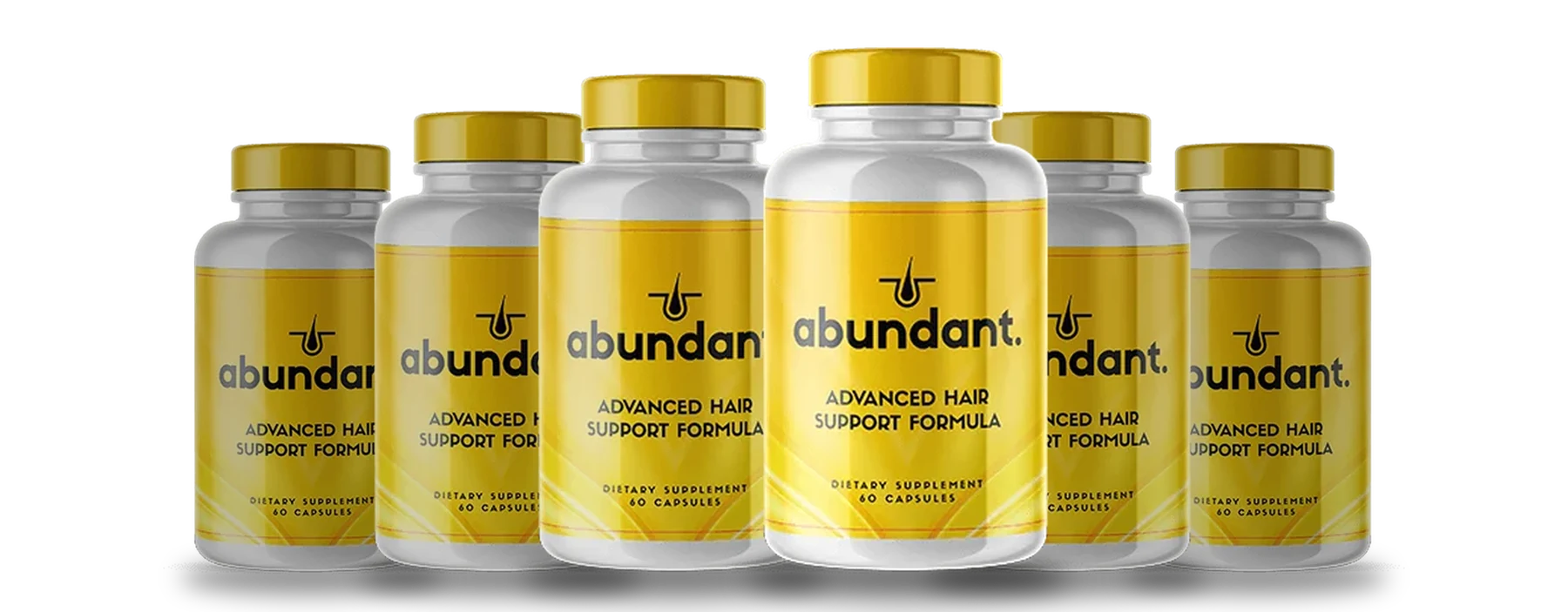
Vitamin A, at a balanced dose
Abundant is a once-daily capsule that supplies a food-level amount of vitamin A alongside biotin, zinc, vitamin C and other hair nutrients — never a megadose. The six-bottle bundle is the best value at $49 per bottle, with free U.S. shipping and a 60-day guarantee.
Check today's Abundant pricing — from $49/bottleWhy does Abundant keep vitamin A to a measured amount?
Abundant treats vitamin A as a nutrient to balance, not to maximise, because overshooting causes the very thing hair supplements are meant to avoid. Rather than a stand-alone high dose, Abundant folds a modest amount into a broader blend with biotin, zinc, vitamin C, vitamin E and botanicals such as saw palmetto and horsetail, so no single ingredient is pushed to an extreme. It is the responsible way to include a fat-soluble vitamin the body stores, so the amount works with a normal diet rather than against it.
See the exact vitamin A dose in Abundant →
What does the evidence actually show for vitamin A and hair growth?
The honest position is that vitamin A's proven role is in preventing the harms of deficiency and excess, not in driving regrowth. There is no good evidence that extra vitamin A makes hair grow faster or thicker in a well-nourished person, and animal research suggests too much can disrupt the hair cycle. Hair does best when vitamin A sits in the normal range and worse at both ends — a base to get right rather than a lever to pull, much like biotin for hair growth.

How should you get your vitamin A — food, supplement, or both?
Food should be the foundation, with a supplement as a modest, reliable top-up. Orange and dark-green vegetables plus the occasional egg or dairy portion supply vitamin A safely, because plant carotenoids convert only as needed. A supplement covers the base on busy days — which is how a once-daily formula such as Abundant is meant to be used, taken with a meal so the fat-soluble vitamins absorb well.
Who should be extra careful with vitamin A?
Some people need to be especially cautious, and pregnancy tops the list. High intakes of preformed vitamin A in pregnancy carry a risk of birth defects, so it should only be supplemented under medical guidance, and liver is often limited. People on vitamin-A-derived medications, those with liver conditions, and anyone already taking a multivitamin should tally their total intake to avoid stacking. For everyone else: respect the upper limit, favour food and beta-carotene, and let a balanced supplement supply a sensible amount rather than a spike.
The bottom line
Vitamin A is genuinely important for skin and therefore for the scalp, but it is the clearest example in hair care of a vitamin where balance is everything. Enough keeps skin cells and oil glands working; too little dries the scalp, and too much is a documented cause of shedding. There is no evidence that extra vitamin A grows hair, so the smart move is food-level adequacy inside a varied diet. That is exactly how Abundant treats it — a measured amount within a broader blend, to help you get the base right rather than overshoot it.
Vitamin A is not the only vitamin acting on the skin the follicle sits in. Collagen in the dermis needs a cofactor to form properly, and that job belongs to vitamin C, whose role in hair runs through collagen synthesis and iron absorption rather than through the follicle directly — a useful contrast with the fat-soluble vitamin discussed here, where excess is as much a risk as shortfall.
Frequently asked questions
Is vitamin A good or bad for hair?
Both, depending on the amount. Vitamin A helps skin cells and oil glands work normally, which supports the scalp, but too much preformed vitamin A is a recognised cause of hair shedding. The goal is a balanced, food-level amount rather than either a shortfall or a megadose, which is exactly why Abundant includes a modest amount inside a broader blend.
Can too much vitamin A cause hair loss?
Yes. Hypervitaminosis A from high-dose supplements or certain medications is a well-documented trigger of hair shedding, and hair usually recovers once intake returns to normal. This is why large single-nutrient vitamin A pills are risky and why a hair formula should stay near food-level amounts rather than push a high dose.
How much vitamin A do you need per day?
Adults need roughly 700 to 900 micrograms RAE of vitamin A a day, and most people reach that through food. The tolerable upper limit for preformed vitamin A is about 3,000 micrograms a day for adults. Beta-carotene from plants is converted only as needed, so it does not carry the same overdose risk as preformed retinol.
Is retinol the same as the vitamin A in supplements?
Retinol is one active form of vitamin A. In food and supplements, preformed vitamin A appears as retinol and its esters, while plants supply provitamin A carotenoids such as beta-carotene that the body converts. Topical retinoids used on skin are related compounds but are a separate, prescription-strength category from the dietary vitamin A in a hair supplement.
Does vitamin A help the scalp specifically?
Vitamin A supports normal skin-cell turnover and the sebaceous glands that produce the scalp's natural oils, and the scalp is skin. Adequate vitamin A therefore helps maintain a normal scalp environment. It is a supporting nutrient, not a proven regrowth agent, and its benefit comes from adequacy rather than from taking extra.
Should I take a vitamin A supplement for hair?
For most people a varied diet already supplies enough vitamin A, so a stand-alone high-dose pill is usually unnecessary and can backfire. A modest, food-level amount inside a balanced hair blend such as Abundant is a safer way to cover the base. Speak to a clinician before any high-dose vitamin A, and avoid it in pregnancy without medical guidance.
Try Abundant risk-free for 60 days →
Abundant is a dietary supplement, not a treatment for any medical condition. These statements have not been evaluated by the Food and Drug Administration. This product is not intended to diagnose, treat, cure or prevent any disease. Always consult a qualified healthcare professional about your individual needs, especially during pregnancy.
References & further reading
- National Institutes of Health, Office of Dietary Supplements. Vitamin A and Carotenoids — Fact Sheet for Health Professionals. ods.od.nih.gov/factsheets/VitaminA-HealthProfessional
- Harvard T.H. Chan School of Public Health, The Nutrition Source. Vitamin A. nutritionsource.hsph.harvard.edu/vitamin-a
- Everts HB. Endogenous retinoids in the hair follicle and sebaceous gland. Biochim Biophys Acta. 2012 Jan;1821(1):222-9. pubmed.ncbi.nlm.nih.gov/21914489
- Guo EL, Katta R. Diet and hair loss: effects of nutrient deficiency and supplement use. Dermatol Pract Concept. 2017. ncbi.nlm.nih.gov/pmc/articles/PMC5315033
- MedlinePlus, U.S. National Library of Medicine. Vitamin A. medlineplus.gov/ency/article/002400.htm
These references describe nutrients in general terms and do not constitute evidence that any product treats, cures or prevents any condition.
Keep reading: vitamin E for hair · biotin for hair growth · back to the Abundant blog · homepage.