How to nourish your scalp naturally: the Abundant guide

Updated September 2026 · reviewed by the Abundant Research Team. We are an independent information resource, not a medical provider, and this article is educational rather than medical advice.
Your scalp is the soil your hair grows from, and like any soil it does its best work when it is well fed and gently tended. Learning how to nourish your scalp naturally is less about expensive products and more about steady habits: a calm cleansing routine, a nutrient-rich plate, and the vitamins and minerals the skin at your roots quietly depends on. This guide walks through each of those, with two data tables and a simple routine — and shows where a formula like Abundant fits alongside them.
How to nourish your scalp naturally, in one place.
- Tend gently
- Wash when the scalp needs it with lukewarm water, and add a few minutes of fingertip massage.
- Feed from within
- Protein, iron, zinc and colourful produce supply the raw materials.
- Protect daily
- Limit harsh heat, prolonged sun and chronic stress, and keep hydrated.
- Top up the gaps
- A daily capsule such as Abundant supplies biotin, zinc and scalp-friendly vitamins.
There is no overnight route to a healthier scalp, but there is a reliable one. Below we start with why the scalp matters, move through a gentle natural routine and the foods that feed it, then look at the nutrients — including the ones packed into Abundant — that a well-supplied scalp uses. For more on the food side, see our companion guide to the best foods for healthy hair.

Why is the scalp the foundation your hair grows from?
The scalp is living skin studded with roughly 100,000 hair follicles, and every strand you see began as a growing root buried in it. Because each follicle is fed by tiny blood vessels and sits in an environment of oil, skin cells and microbes, the condition of the scalp shapes the condition of the hair that leaves it. A scalp that is inflamed, flaky or clogged with buildup is a poorer launchpad than one that is calm, clean and well supplied. Nourishing your hair starts one layer down.
What does a healthy scalp actually look like?
A healthy scalp is generally comfortable, neither tight and flaky nor persistently oily and itchy, with no lasting redness or soreness. It carries a natural film of sebum that protects the skin without leaving hair greasy within hours. You will not always see the difference in a mirror, which is why a nourishing routine is built on consistent habits rather than one-off treatments.
What does it mean to nourish your scalp naturally?
To nourish your scalp naturally is to support the skin at your roots through everyday habits and whole foods rather than harsh products. That means cleansing gently, feeding the skin from the inside with the right nutrients, protecting it from avoidable damage, and giving it the vitamins and minerals it uses to renew. None of these steps is dramatic on its own; their power is in doing them steadily. The natural approach also means being honest about limits: a routine can support a scalp, but it is not a cure for a medical condition, which deserves a professional's care.
What is a simple natural scalp-care routine?
A good scalp routine is short, gentle and repeatable — a handful of steps you can keep up for months rather than a ritual you abandon in a week. The routine below covers the essentials without special equipment.
- Cleanse when needed: wash with lukewarm water and a mild shampoo when the scalp feels oily or itchy, rather than on a rigid schedule.
- Massage for a few minutes: use your fingertips, not your nails, in small circles while you cleanse or on dry hair before bed.
- Condition the lengths, not the roots: keep heavy conditioner off the scalp to avoid buildup.
- Go easy on heat and tension: lower the dryer temperature and loosen tight ponytails and braids.
- Protect from sun: a hat or a parting shielded from strong midday sun spares the scalp skin.
Does scalp massage really do anything?
Scalp massage is a low-risk habit that aids relaxation and may briefly stimulate the skin at the roots. A few small studies have linked regular massage with hair changes over several months, though the research is early and limited, so it is fairest to treat massage as a supportive habit rather than a proven treatment. Two to five minutes with your fingertips, most days, is a reasonable target.
| Routine step | How often | Why it helps the scalp |
|---|---|---|
| Gentle cleansing | When oily or itchy | Clears buildup without stripping protective oils |
| Fingertip massage | Most days, 2–5 min | Relaxing; may support the skin at the roots |
| Low-heat drying | Every wash | Reduces heat stress on scalp and strands |
| Loose styling | Daily | Eases tension on the hairline and follicles |
| Sun protection | Bright days | Shields exposed scalp skin from UV |
See the exact scalp-support dose in Abundant →
What foods nourish the scalp from within?
The most powerful scalp care happens at the table, because the skin at your roots is renewed from the nutrients in your diet. A scalp-friendly plate looks a lot like a hair-friendly one: enough protein to build the keratin of new strands, iron and zinc for the follicle's daily work, colourful produce for vitamins and antioxidants, and healthy fats for the skin itself. Oily fish, eggs, beans, lentils, leafy greens, nuts and bright produce cover most of the bases.
Why do healthy fats matter for the scalp?
The scalp is skin, and skin depends on fat to stay supple and comfortable. Omega-3 fatty acids from salmon, sardines, walnuts, flaxseed and chia are associated with scalp comfort and a healthy shine, while vitamin E from almonds, sunflower seeds and avocado is a fat-soluble antioxidant that partners naturally with them. A handful of nuts or half an avocado is an easy way to look after the skin at your roots.

Which nutrients feed a healthy scalp?
A healthy scalp draws on the same core nutrients as the hair it produces, and shortfalls in a few of them are most often linked with scalp and hair changes. Protein supplies the raw material; iron carries oxygen to the busy follicle; zinc supports tissue repair; the B-vitamins including biotin aid the skin's renewal; and vitamins A, C and E maintain the skin barrier. The table below groups the ones worth knowing, with everyday food sources.
| Nutrient | Why the scalp cares | Everyday foods |
|---|---|---|
| Protein | Keratin for new strands | Eggs, fish, poultry, beans, lentils, yoghurt |
| Iron | Oxygen delivery to follicles | Red meat, shellfish, lentils, spinach, tofu |
| Zinc | Tissue repair & renewal | Oysters, beef, pumpkin seeds, chickpeas |
| Biotin & B-group | Skin and hair renewal | Eggs, whole grains, nuts, leafy greens |
| Vitamins A, C, E | Skin barrier & antioxidants | Sweet potato, citrus, peppers, almonds |
| Omega-3 | Scalp comfort & shine | Salmon, sardines, walnuts, flax, chia |
How do the vitamins in Abundant support scalp health?
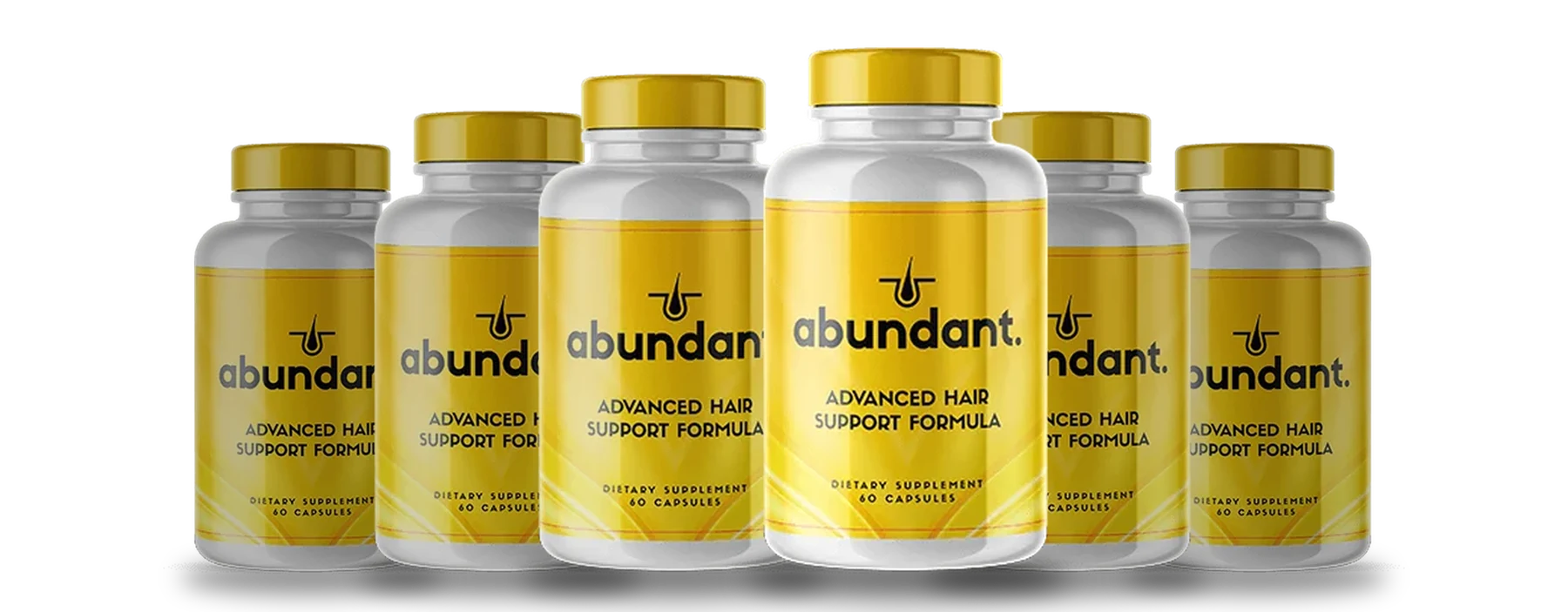
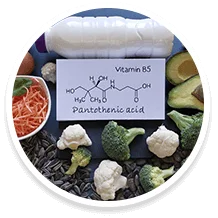
Even a careful diet leaves gaps, and that is the sensible role of a supplement: a convenient top-up of the nutrients a scalp relies on, taken alongside real food rather than in place of it. Abundant is a once-daily capsule built around this idea, combining biotin, zinc, iodine and selenium with vitamins A, C and E, pantothenic acid and botanicals such as saw palmetto and horsetail. Taken with a meal so the fat-soluble vitamins are well absorbed, it is designed to sit quietly behind a good plate and a gentle routine, supporting the scalp's normal nutrient needs rather than promising to fix anything.
Feed the scalp from within
Abundant pairs biotin and zinc with scalp-friendly vitamins A, C and E in one daily capsule. The six-bottle bundle is the best value at $49 per bottle, with free U.S. shipping and a 60-day guarantee.
Order Abundant — from $49/bottleWhat everyday habits protect scalp health?
Nutrition and cleansing do their best work when a few background habits are in place. Chronic stress and poor sleep are linked with the skin's resilience, so protecting both pays off at the scalp as much as anywhere. Staying hydrated keeps skin comfortable; avoiding harsh, over-frequent washing preserves the protective oil layer; and easing off tight hairstyles reduces steady tension on the hairline. Together these habits stop everyday wear from undoing the good your diet and routine are doing.
When should you see a professional?
Natural scalp care is for maintenance, not diagnosis. Persistent flaking, redness, soreness, sudden shedding or a scalp that itches no matter what you try are signals to see a doctor or dermatologist rather than reach for another product. A nourishing routine supports a healthy scalp; it is not a substitute for medical care when something is genuinely wrong.
The bottom line
Nourishing your scalp naturally comes down to a few unglamorous habits done consistently: cleanse gently, massage for a couple of minutes, eat a varied whole-food diet rich in protein, iron, zinc and colourful produce, protect the skin from heat, sun and stress, and give it the vitamins it uses to renew. Build that foundation first. A daily capsule such as Abundant can top up the nutrient gaps, but it works best as a partner to a good plate and a gentle routine.
Scalp care raises the obvious question of whether anything you swallow can reach the skin at all. It can, but slowly and indirectly, which is the whole basis of the comparison between hair supplements and topical serums — one works on the surface within days, the other on the supply line over months, and a scalp routine usually benefits from both.
Frequently asked questions
What does it mean to nourish your scalp naturally?
Nourishing your scalp naturally means supporting the skin your hair grows from through everyday habits rather than harsh products: a gentle cleansing and massage routine, a nutrient-rich diet, sun and stress protection, and enough of the vitamins and minerals the scalp uses. The aim is a calm, well-supplied foundation, not an instant fix.
How often should I wash my scalp for scalp health?
There is no universal number. Most people do well washing when the scalp feels oily or itchy rather than on a fixed schedule, using lukewarm water and a mild shampoo. Very oily scalps may need more frequent washing and dry or curly hair often needs less. Let comfort and appearance guide the frequency.
Does scalp massage really help?
Scalp massage is a low-risk habit that many people find relaxing, and small studies suggest regular massage may be associated with hair changes over months. The evidence is limited and early, so it is best treated as a pleasant, supportive habit rather than a proven treatment.
Which nutrients matter most for a healthy scalp?
Protein, zinc, iron and the B-vitamins including biotin are among the most discussed, along with vitamins A, C and E and omega-3 fats. Zinc and iron in particular are linked with the scalp and hair when they run low, which is why varied, nutrient-rich foods matter.
Can a supplement nourish my scalp?
A supplement cannot replace a good diet or a gentle routine, but it can top up the nutrients a scalp relies on. A blend such as Abundant supplies biotin, zinc and vitamins A, C and E in one daily capsule, designed to complement real food rather than substitute for it.
How long before a scalp routine shows in my hair?
Hair grows slowly, roughly a centimetre a month, so any change to your scalp routine or diet takes weeks to months to reach visible length. Consistency over several months is what counts, and individual results vary.
Check today’s Abundant pricing →
Abundant is a dietary supplement, not a treatment for any medical condition. These statements have not been evaluated by the Food and Drug Administration. This product is not intended to diagnose, treat, cure or prevent any disease. Always consult a qualified healthcare professional about your individual needs.
References & further reading
- National Institutes of Health, Office of Dietary Supplements. Zinc — Fact Sheet for Health Professionals. ods.od.nih.gov/factsheets/Zinc-HealthProfessional
- National Institutes of Health, Office of Dietary Supplements. Biotin — Fact Sheet for Health Professionals. ods.od.nih.gov/factsheets/Biotin-HealthProfessional
- National Center for Complementary and Integrative Health (NCCIH). Omega-3 Supplements. nccih.nih.gov/health/omega3-supplements-in-depth
- Koyama T, Kobayashi K, Hama T, et al. Standardized Scalp Massage Results in Increased Hair Thickness by Inducing Stretching Forces to Dermal Papilla Cells in the Subcutaneous Tissue. Eplasty. 2016. Koyama et al. 2016, Eplasty — PubMed 26904154
- Mayo Clinic. Hair care: Do’s and don’ts. mayoclinic.org/healthy-lifestyle/adult-health
These references describe nutrients, foods and general scalp care and do not constitute evidence that any product treats, cures or prevents any condition.
Keep reading: vitamins and minerals for hair · biotin for hair growth · back to the Abundant blog · homepage.