Hair supplements vs serums: where the Abundant capsule fits

Updated September 2026 · reviewed by the Abundant Research Team. We are an independent information resource, not a medical provider, and this article is educational rather than medical advice.
Hair supplements and serums are not rivals so much as two halves of one routine: a serum works on the scalp and strands you already have, while an oral supplement feeds the follicle that grows the next one. Choosing between capsule and serum only makes sense once you know that each acts in a different place. This guide compares topical and oral hair care honestly, weighs where the evidence is strong and where it is thin, and shows where a simple daily capsule like Abundant fits an inside-out approach.
Hair supplement or serum — the honest version.
- What a serum does
- Works on the surface: smooths, protects and hydrates the hair you already have.
- What a supplement does
- Works from within: supplies nutrients the follicle uses to build new hair.
- Which to pick
- Usually both — they cover different jobs, so a light topical plus a daily capsule beats either alone.
- Where Abundant fits
- The inside-out layer: one daily capsule of hair-focused nutrients, not a replacement for topical care.
Walk down any hair-care aisle and you see the same split: serums promising shine from the outside, and capsules promising strength from the inside. It is tempting to treat them as competitors and ask which one wins, but that framing is the mistake. A serum and a supplement answer different questions, so the useful comparison is not which is better but what each is for. For the wider nutrient picture, see our companion guide to vitamins and minerals for hair.
What is the real difference between a hair supplement and a serum?
The core difference between a hair supplement and a serum is the location where each one acts: a supplement is swallowed and delivers nutrients to the follicle through the bloodstream, while a serum is applied to the scalp or strands and acts at the surface. That single distinction explains almost everything else — how fast each works, what it can plausibly do, and why the two rarely make each other redundant. Keep that map in mind and the marketing on both bottles gets much easier to read.
How does an oral hair supplement work?
An oral hair supplement works by topping up the dietary building blocks a follicle draws on to grow hair — nutrients such as biotin, zinc, iron, selenium and vitamins that support keratin production and the follicle’s normal cycle. It cannot force hair to grow, and it does the most visible good in someone who was genuinely short on a nutrient. Think of it as improving the raw materials available at the root, not as a switch that turns growth on. Its effects are structural and slow because they play out on hair’s own timeline.
How does a topical hair serum work?
A topical hair serum works at the surface, coating and conditioning the strand or delivering active ingredients to the scalp. Most cosmetic serums are about the hair you can already see: they smooth the cuticle, tame frizz, add shine, and protect against heat and breakage, which makes hair look and feel healthier almost immediately. A smaller group of medicated topical treatments act on the follicle itself and are backed by clinical trials. What no serum can do is supply the internal nutrients a follicle needs to build a strand from scratch.
Hair supplement or serum — which does the research support?
The research supports both categories for different, narrow claims rather than for the sweeping promises on either label. Cosmetic serums have clear, immediate evidence for shine, manageability and breakage protection; a few topical drug actives have strong follicle-level trial data; and oral nutrients have the best evidence when they correct a real deficiency. The table below lays out where each type of claim actually stands, so you can match the product to what it can honestly deliver.
| Claim | Best delivered by | Evidence strength |
|---|---|---|
| Instant shine & smoothness | Topical serum | Strong (cosmetic) |
| Less breakage & heat damage | Topical serum | Strong (cosmetic) |
| Correcting a nutrient shortfall | Oral supplement | Clear when deficient |
| Supporting the follicle from within | Oral supplement | Moderate / supportive |
| Regrowth in pattern hair loss | Medicated topical / medical care | Strong for specific drugs |
See the exact dose in Abundant →
Capsule vs serum: what are the everyday trade-offs?
The everyday trade-off between a capsule and a serum comes down to speed versus depth: a serum changes how hair looks today, while a capsule quietly supports how hair grows over months. One is a surface fix you can see in the mirror this morning; the other is a long game you judge over a season. The confusion comes from expecting a capsule to add instant shine, or a serum to change what the follicle produces.
| Factor | Topical serum | Oral capsule |
|---|---|---|
| Where it acts | Scalp & strand surface | Follicle, via bloodstream |
| Speed of visible effect | Immediate (cosmetic) | Weeks to months |
| Main job | Smooth, protect, hydrate | Nutrient support for growth |
| Daily effort | Apply, sometimes rinse | One capsule with a meal |
| Best paired with | A nutrient-rich diet | Gentle topical care |
Which is simpler to keep up day to day?
For most people the oral route wins on simplicity: swallowing one capsule with a meal is easier to sustain than a multi-step topical ritual, and consistency is what actually matters for any hair routine. A serum earns its place when you want immediate manageability and protection, but it only helps on the days you remember to use it. Whichever you lean on, the honest predictor of results is not the product’s sophistication but whether you keep using it for months rather than days.
Is topical or oral hair care better for thinning?
For genuine thinning, neither a cosmetic serum nor a general supplement is a substitute for a proper diagnosis, because thinning has many causes and the right fix depends on the reason. Pattern hair loss, a thyroid issue, iron deficiency and stress-related shedding all look similar in the mirror but call for different responses. Medicated topicals and medical care have the strongest evidence for pattern loss; nutritional support helps most when a deficiency is part of the picture; and cosmetic serums improve appearance without changing the underlying cause. The sensible first move if hair is noticeably thinning is to see a professional, not to shop harder.
What does “inside-out” hair care actually mean?
Inside-out hair care is the principle that healthy hair begins with what reaches the follicle through the bloodstream, so diet and targeted nutrients come first and topical products come second. The follicle is living tissue with a rich blood supply and a high metabolic demand, which is why nutrition shows up in hair before almost anywhere else, and why crash diets and deficiencies so often trigger shedding. An inside-out routine means covering the basics that genuinely move the needle — enough protein, iron, zinc and overall calories — then using topical care to protect and beautify what those follicles produce.
Can you use a supplement and a serum together?
Yes — and for most people that combination is the point, not a compromise. A daily capsule handles the nutritional layer while a light serum protects and conditions the strand, so the two cover different jobs without interfering. There is no need to choose sides: the strongest routine is usually the boring one, a good diet plus a balanced supplement plus gentle topical care, kept up consistently.
Where does Abundant’s daily capsule fit?
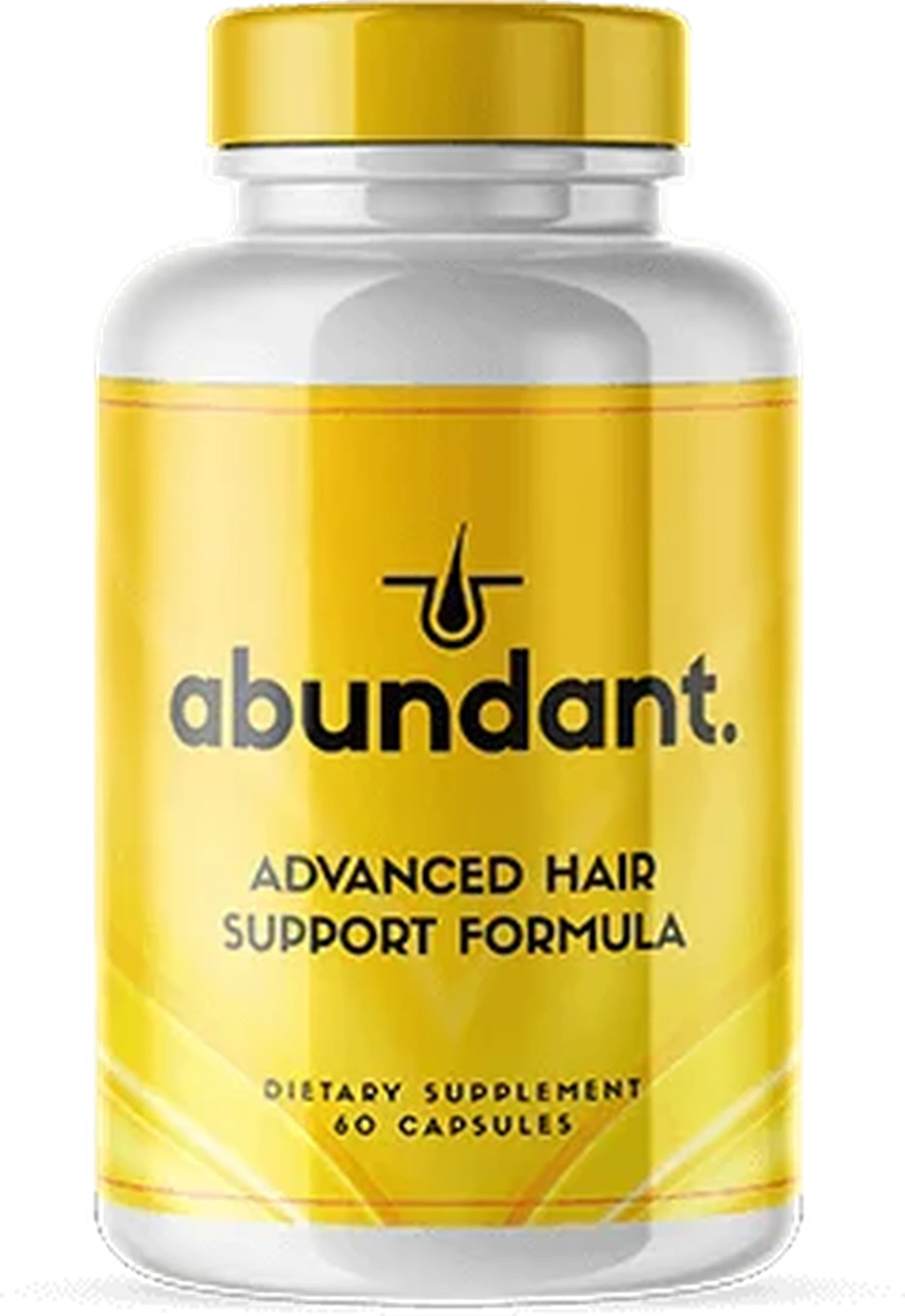
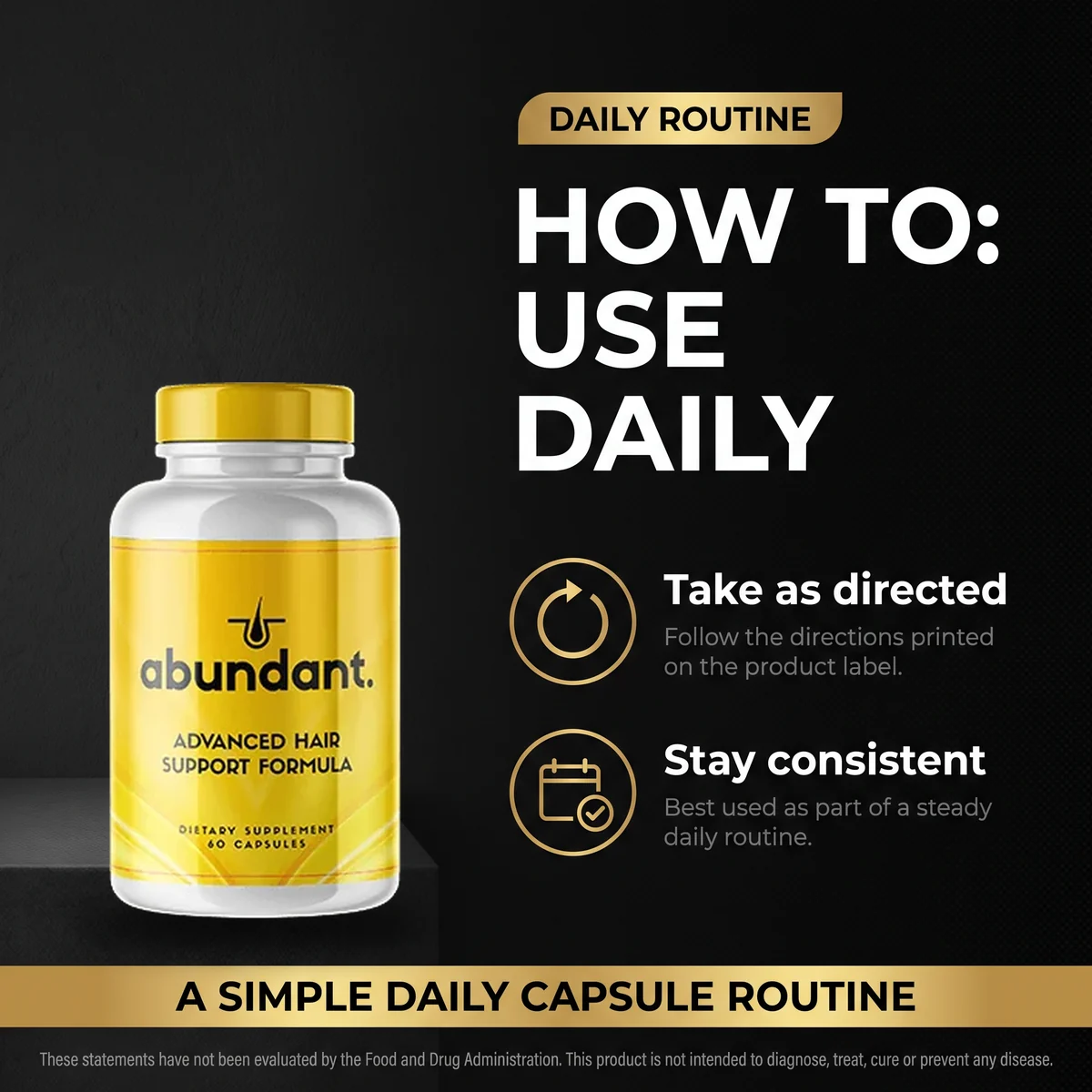
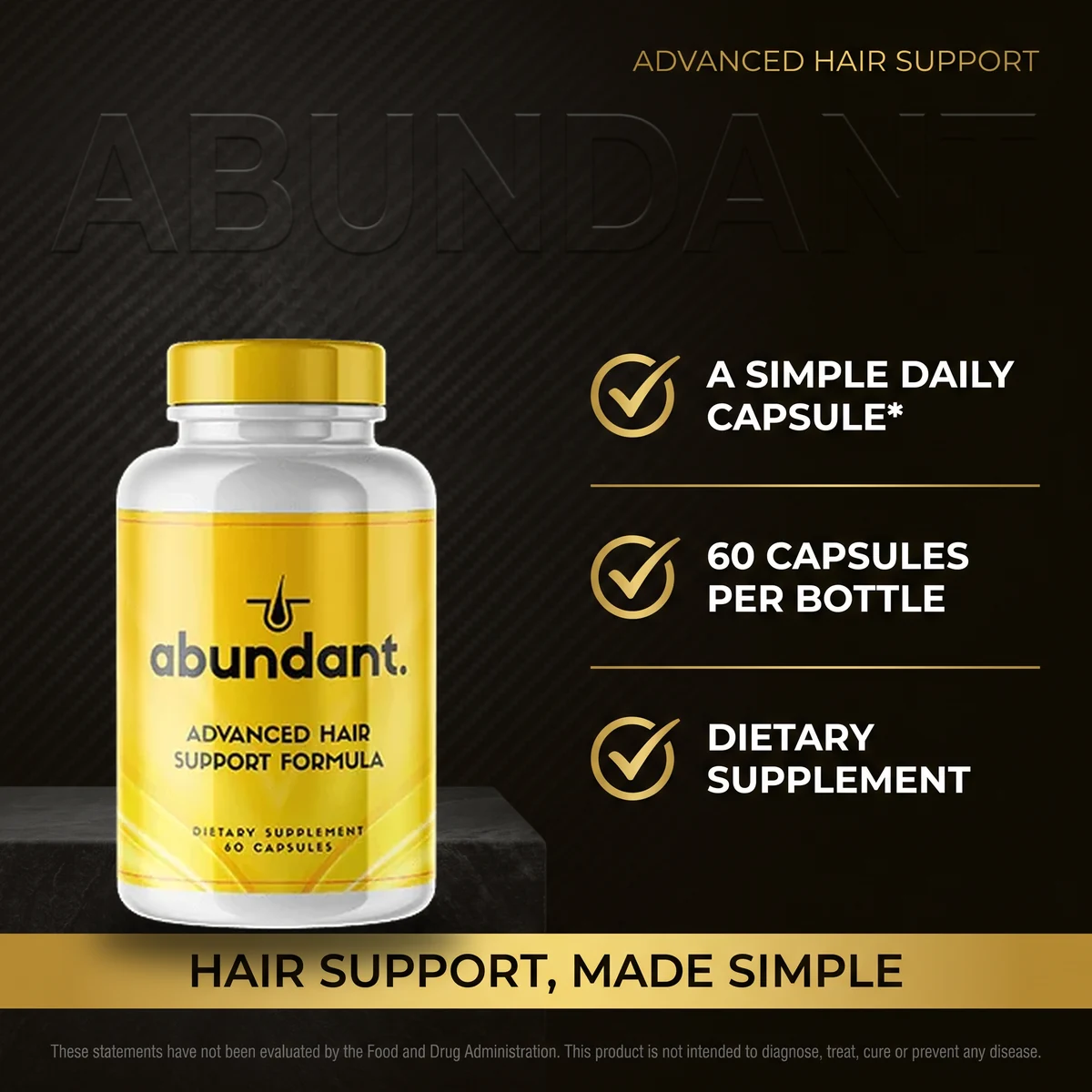
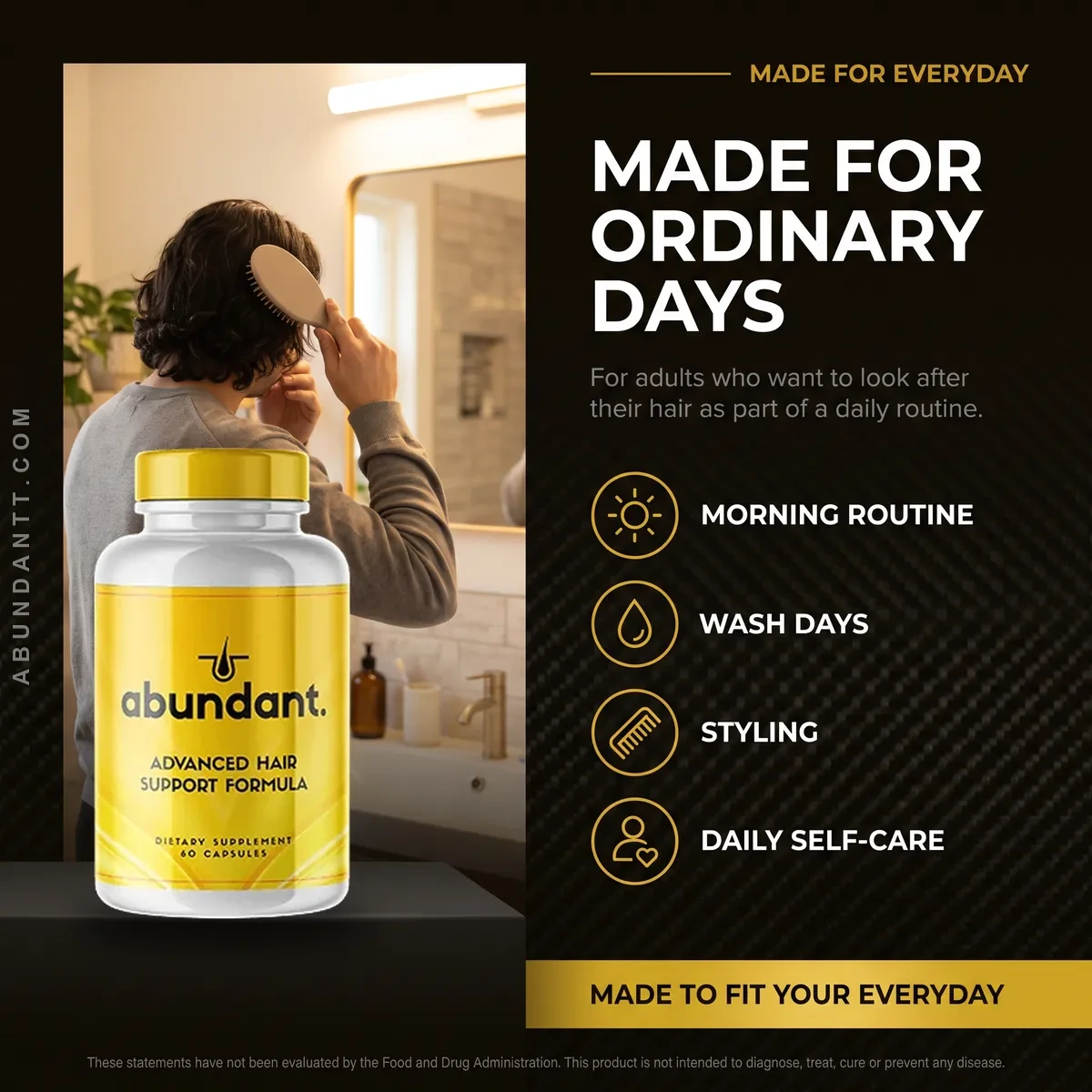
Abundant is deliberately the inside-out half of this comparison: a once-daily capsule that supplies biotin, zinc, iodine, selenium, pantothenic acid and vitamins A, C and E, plus supporting botanicals, to feed the follicle from within. It is not a serum, and it makes no attempt to be one — it will not add surface shine or replace a clinically proven scalp treatment. What it offers is the simple nutritional layer that an inside-out routine is built on, in one capsule you take with a meal so the fat-soluble vitamins absorb well. You can read the full formula on the Abundant product page.
The inside-out layer, made simple
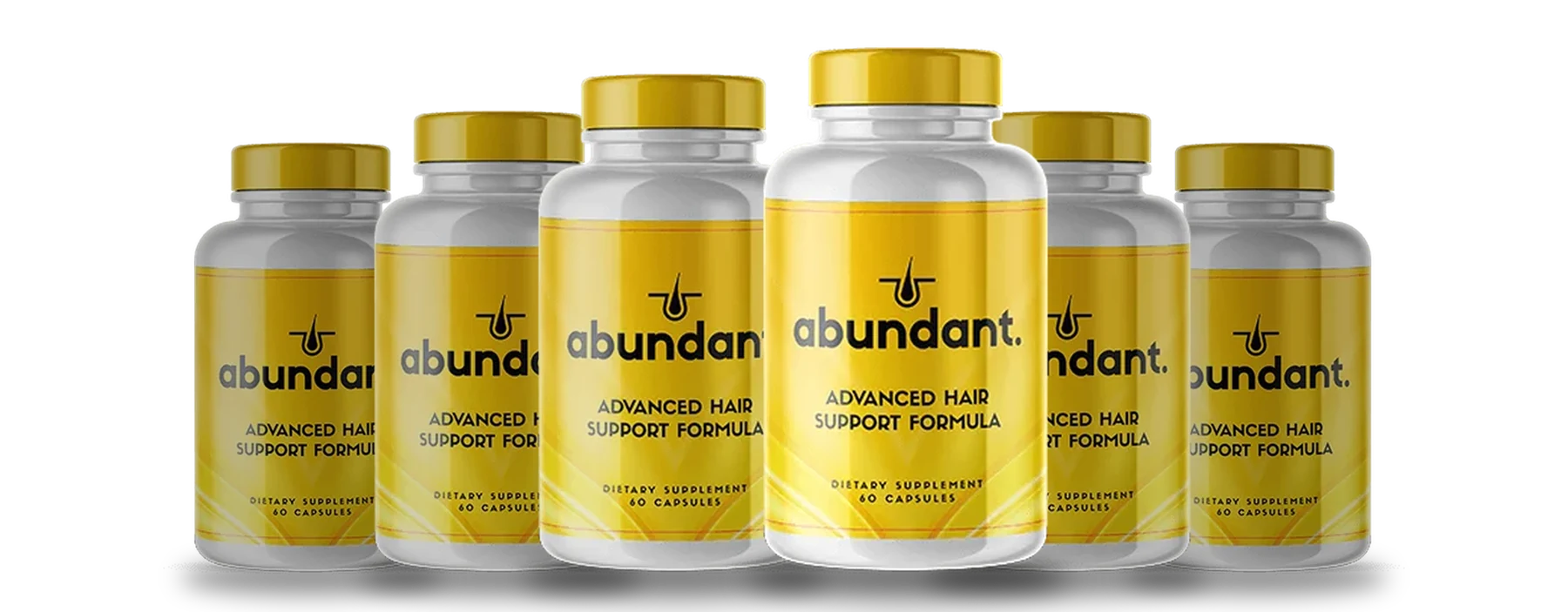
Abundant covers the nutritional half of your routine with biotin, zinc and hair-focused vitamins in one daily capsule — pair it with whatever light serum you like. The six-bottle bundle is the best value at $49 per bottle, with free U.S. shipping and a 60-day guarantee.
Check today’s Abundant pricing — from $49/bottleHow should you build a routine around both?
The most reliable routine layers the two products by job rather than pitting them against each other: nutrition at the base, topical care on top, patience throughout. Start with the diet basics, add a balanced daily capsule if you want a convenient nutritional top-up, and keep a gentle serum or conditioner for surface protection and shine. Then give it time — hair grows about a centimetre a month, so any structural change is judged over three to six months, not three to six days. For where a single ingredient like biotin fits into that nutritional base, see our guide to biotin for hair growth.
The bottom line on hair supplements vs serums
The honest verdict on hair supplements versus serums is that the question itself is slightly wrong: they are complementary tools, not competitors, and the best routine uses both for what each does well. A serum protects and beautifies the hair you have; a supplement supports the hair you are growing; and neither excuses skipping the diet and gentle care that underpin both. That is exactly how Abundant is positioned — the simple, inside-out nutritional layer of a sensible routine, with no promise to be the whole thing. Build the basics, add the layer if it suits you, and give it a season.
Once you accept that the two work in different places, the remaining questions are about the supplement half of the routine. Which protein story you are buying matters: the difference between collagen and biotin for hair is the difference between supplying material and supplying a cofactor, and only one of those is what a serum cannot do.
Timing and selection do the rest. A serum shows a cosmetic change in days while a capsule cannot, so understanding how long hair vitamins take to work prevents an unfair comparison, and choosing a hair supplement by its label is the step that decides whether the internal half of the routine was worth paying for at all.
Frequently asked questions
Hair supplement or serum — which is better for hair?
Neither is universally better because they do different jobs. A serum works on the scalp surface and the strands you already have, while an oral supplement supplies the nutrients your follicles use to build new hair from the inside. For most people the sensible answer is not one or the other but a simple routine that covers both the outside and the inside, with realistic expectations for each.
What does a hair serum actually do?
A topical hair serum is a leave-on product applied to the scalp or lengths to smooth, protect and hydrate the hair you already have, and in some cases to deliver active ingredients to the scalp. Cosmetic serums improve shine and manageability, while a small number of clinically studied topical actives target the follicle directly. A serum cannot supply the dietary nutrients a follicle needs to grow a strand in the first place.
Can a capsule replace a topical serum?
Not exactly, because a capsule and a serum act in different places. An oral capsule tops up nutrients such as biotin, zinc and hair-focused vitamins that support the follicle from within, whereas a serum conditions and protects the strand at the surface. They complement each other rather than substitute, so the best routine usually keeps a light topical step and adds a daily capsule for nutritional support.
Is oral or topical hair care faster?
Cosmetic serums improve the look and feel of hair almost immediately, so they feel faster. Nutritional support from a supplement works on hair’s own slow timeline of roughly a centimetre of growth a month, so any real change takes three to six months of consistency. Faster surface results and slower structural support are two different things, and both take patience for genuine density changes.
What is inside-out hair care?
Inside-out hair care is the idea that healthy hair starts with what reaches the follicle through the bloodstream, so diet and targeted nutrients come first and topical products second. In practice it means eating enough protein, iron and zinc, filling gaps with a balanced supplement if needed, and using gentle topical care on top. It treats the scalp as living tissue fed from within rather than a surface to be fixed only from outside.
Where does Abundant fit in a supplement-versus-serum routine?
Abundant is the inside-out half of the routine: one daily capsule that supplies biotin, zinc, iodine, selenium and hair-focused vitamins to support the follicle from within. It is not a serum and does not replace gentle topical care or clinically proven scalp treatments. It is designed to be the simple nutritional layer you take with a meal, alongside whatever light topical step you already use.
Try Abundant risk-free for 60 days →
Abundant is a dietary supplement, not a treatment for any medical condition. These statements have not been evaluated by the Food and Drug Administration. This product is not intended to diagnose, treat, cure or prevent any disease. Always consult a qualified healthcare professional about your individual needs.
References & further reading
- National Institutes of Health, Office of Dietary Supplements. Biotin — Fact Sheet for Health Professionals. ods.od.nih.gov/factsheets/Biotin-HealthProfessional
- National Institutes of Health, Office of Dietary Supplements. Zinc — Fact Sheet for Health Professionals. ods.od.nih.gov/factsheets/Zinc-HealthProfessional
- Almohanna HM, Ahmed AA, Tsatalis JP, Tosti A. The Role of Vitamins and Minerals in Hair Loss: A Review. Dermatol Ther (Heidelb). 2019. Almohanna et al. 2019, Dermatol Ther (Heidelb) — PubMed 30547302
- National Center for Complementary and Integrative Health (NCCIH). Dietary and Herbal Supplements — safety and evidence. nccih.nih.gov/health/dietary-and-herbal-supplements
- Mayo Clinic. Hair loss — symptoms, causes and treatment. mayoclinic.org/diseases-conditions/hair-loss
These references describe ingredients, nutrients and general hair care and do not constitute evidence that any product treats, cures or prevents any condition.
Keep reading: biotin for hair growth · vitamins and minerals for hair · best foods for healthy hair · back to the Abundant blog · homepage.