Are hair vitamins worth it? An honest Abundant look at the real value

Updated September 2026 · reviewed by the Abundant Research Team. We are an independent information resource, not a medical provider, and this article is educational rather than medical advice.
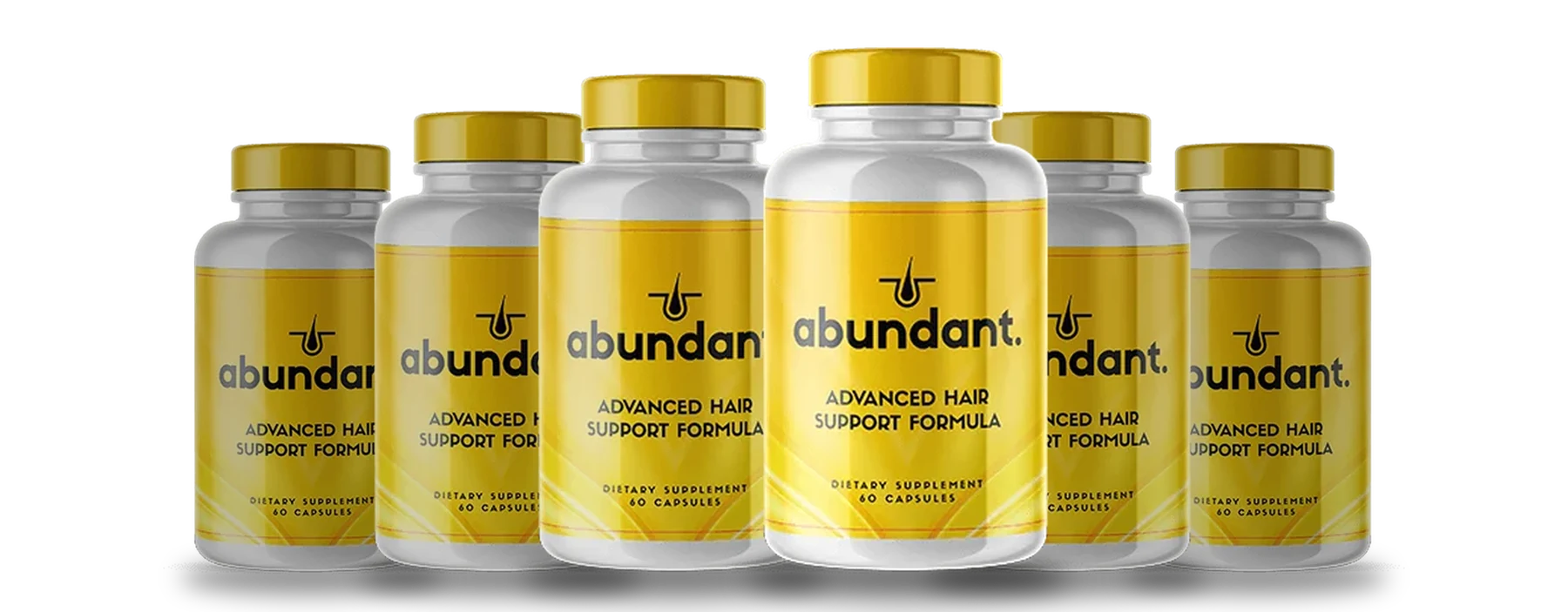
Hair vitamins are worth it mainly when they fill a genuine nutritional gap, and far less so when your levels are already healthy. That is the honest short answer, and it is the thread that runs through this guide. Below we weigh where the evidence is strong and where it is thin, what results are realistic and on what timeline, how to judge cost against the alternatives, and where a sensible once-daily blend like Abundant fits the value question.
Are hair vitamins worth it? A candid summary.
- When they help most
- When you have a real shortfall of a nutrient like iron, zinc, vitamin D or biotin.
- When they help least
- When your diet and blood levels are already in a healthy range.
- Realistic upside
- Subtle over months — less shedding and better condition, not overnight regrowth.
- How to judge value
- Sensible doses, a once-daily format you will finish, fair cost per day, and a guarantee.
The question “are hair vitamins worth it” is really two questions in one: do they do anything, and is what they do worth the money. We will keep those honest and separate. For the nutrient science behind the claims, our companion guide to vitamins and minerals for hair goes deeper; here the focus is value and expectations.
What does “worth it” actually mean for a hair vitamin?
“Worth it” means the benefit you can realistically expect is larger than the cost, effort and risk of taking the product. For a hair vitamin, the benefit hinges almost entirely on whether you were short of something the follicle needs. Hair is built from the protein keratin and depends on a steady supply of iron, zinc, several B-vitamins and vitamins A, C, D and E. When one of those runs low, hair can be one of the first places it shows. Top the shortfall back up and you remove a brake that was holding your hair back. If nothing was low to begin with, there is little brake to release.
That single idea explains most of the confusion around hair vitamins. The same bottle can be genuinely worth it for one person and close to a placebo for their neighbour, purely because they started in different places.
Are hair vitamins worth it if your nutrient levels are already normal?
If your levels are already normal, a hair vitamin is unlikely to transform your hair, and its value drops to convenience and mild insurance. This is the part marketing tends to skip, so it is worth being clear-eyed about where the science actually stands.
Where the evidence is strongest
The strongest evidence is for correction, not enhancement. Studies most consistently link hair changes to low iron, low zinc and low vitamin D, and note improvement when those are brought back into range. Biotin has a clear role only in genuine deficiency, which is uncommon. In other words, hair vitamins earn their keep when they fix a real gap.
Where the evidence is weakest
The evidence is weakest for people who are already well-nourished. Here, high-quality trials are scarce, effects are small, and the body simply excretes or stores the surplus rather than growing extra hair. More is not better once a need is met, and a handful of nutrients carry real risks at high intake — too much vitamin A or selenium, for example, has been linked with hair problems of its own. A balanced formula at everyday amounts respects that ceiling.
What realistic results can you expect — and when?
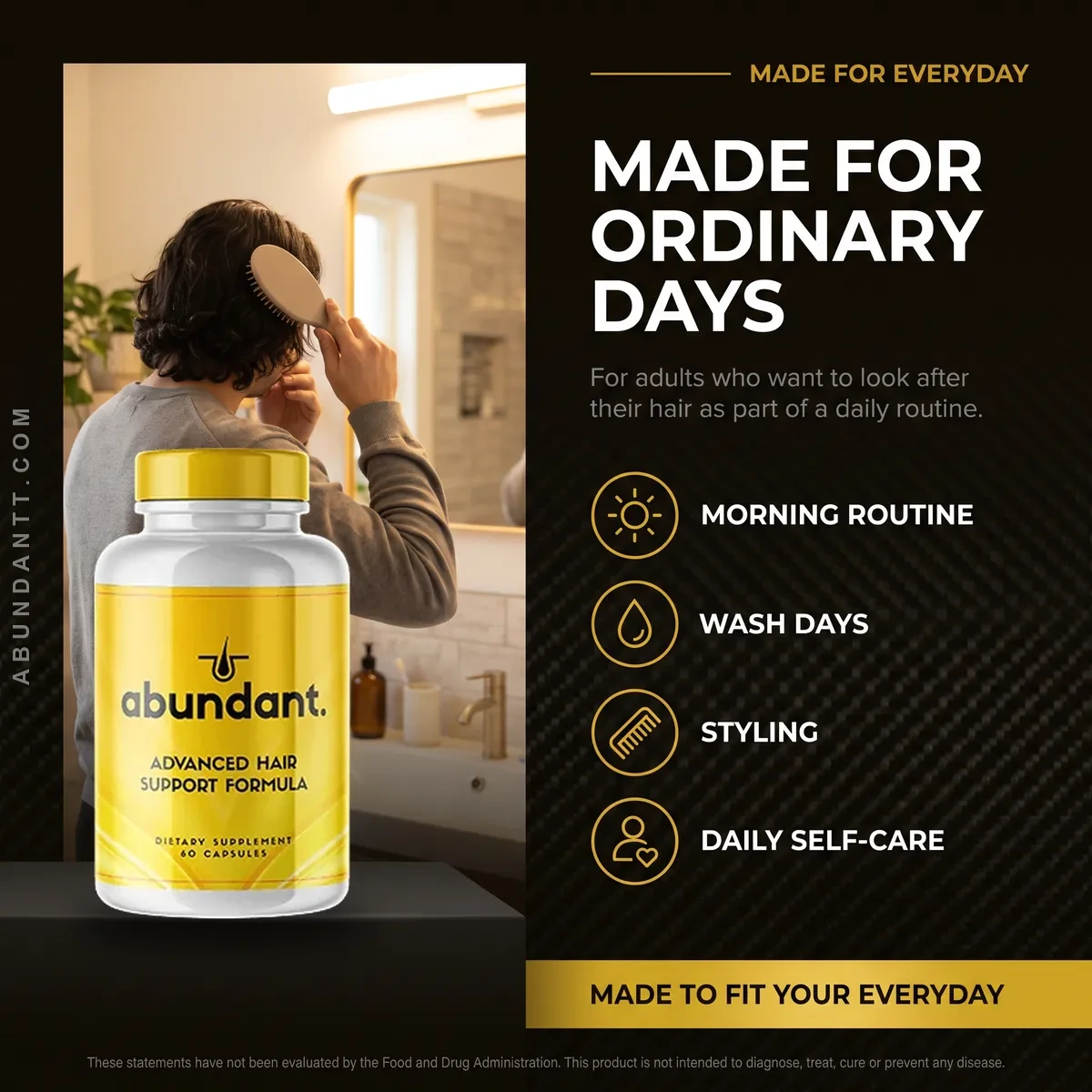
Realistic results from a hair vitamin are gradual and modest: less shedding first, then improvements in condition and fullness over several months. Anyone promising rapid, dramatic regrowth is overselling. Because hair grows only about a centimetre a month, even a nutrient that genuinely helps needs time to reach the visible length of the strand.
How long before you would notice a difference?
Give any hair vitamin a fair trial of three to six months before you judge whether it was worth it. In practice, reduced shedding is often the first thing people report, because the resting-to-shedding cycle responds sooner than new length does. Changes to texture, shine and fullness show up later. This slow clock is exactly why a meaningful guarantee matters: a 14-day return window cannot possibly tell you whether a supplement worked, whereas a longer one lets the product prove itself on your own head.
| Timeframe | What is realistic | What is not |
|---|---|---|
| Weeks 1–4 | Building consistent nutrient levels; no visible change | New visible regrowth |
| Months 2–3 | Shedding may begin to settle | Dramatic thickness overnight |
| Months 3–6 | Gradual gains in condition and fullness | Reversing genetic hair loss |
| Beyond 6 months | Maintenance of the raw materials for growth | Results without consistency |
How do you judge whether a hair vitamin is good value?
Good value in a hair vitamin comes from sensible doses, a format you will actually finish, a fair cost per day, and a guarantee that outlasts the time results take. A cheap bottle you forget on the shelf is worse value than a slightly dearer one you take every morning. Compare on cost per day rather than sticker price, and weigh the honest alternatives before you commit.
| Approach | Rough cost | Best for |
|---|---|---|
| Whole-food diet | Everyday grocery cost | Everyone — the non-negotiable foundation |
| Single-nutrient pill | Low | A confirmed, specific deficiency |
| Once-daily hair blend | ~$1–$2 per day | Convenient top-up across several nutrients |
| Megadose “miracle” product | High | Rarely worth it; risk of excess |
Check today’s Abundant pricing per day →
Where does Abundant fit the value question?
Abundant fits the value question as a balanced, once-daily top-up rather than a megadose gamble. It pairs biotin and zinc with vitamins A, C and E, pantothenic acid, iodine and selenium, plus botanicals such as saw palmetto and horsetail, at everyday amounts designed to complement food rather than overwhelm it. The point is not to out-dose the shelf; it is to cover the common gaps in one capsule you can stick with, taken with a meal so the fat-soluble vitamins absorb well.
Let the guarantee answer the question
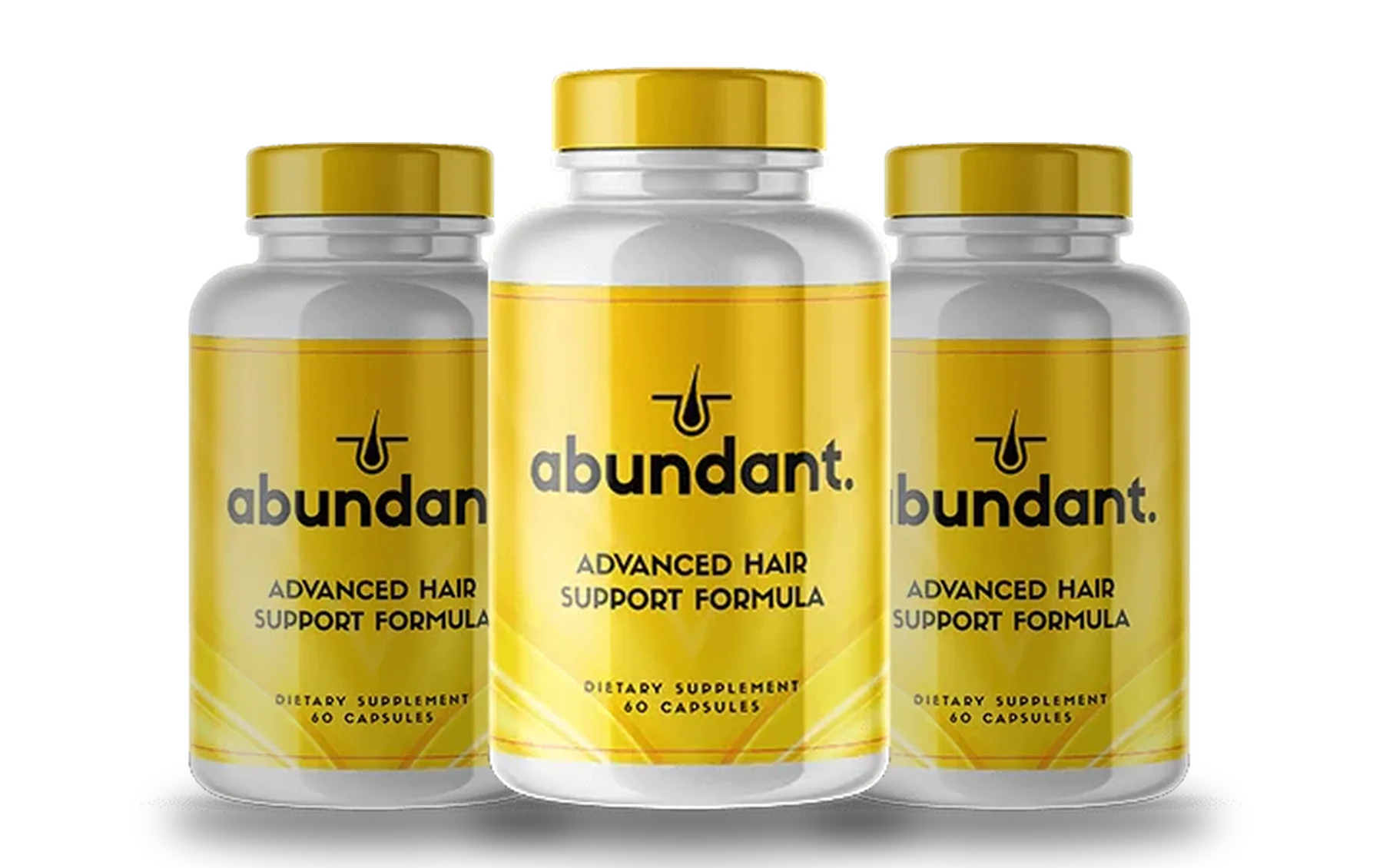
Because hair takes months to respond, Abundant backs every order with a 60-day money-back guarantee. Try it, judge it on your own head, and see the exact dose in Abundant before you decide it was worth it. The 6-bottle bundle is best value at $49 per bottle with free U.S. shipping.
See the exact dose in Abundant — from $49/bottle
What should you check before buying any hair vitamin?
Before buying any hair vitamin, check the label for sensible doses, transparency and a real guarantee — not the size of the promise on the front. A trustworthy product tells you exactly what is inside and how much, avoids fantastical claims, and stands behind itself. Use a simple checklist so the decision is about evidence, not hype.
- Transparent doses: every active listed with an amount, not hidden in a “proprietary blend”.
- Everyday amounts: nutrients near normal daily needs, not risky megadoses.
- Once-daily format: a routine you will actually keep for months.
- Fair cost per day: compare bundles on daily cost, not sticker price.
- Honest claims: support for hair, not promises to cure hair loss.
- A real guarantee: long enough to let results appear.
For the nutrients most worth having on that label, our guide to biotin for hair growth and our overview of the best foods for healthy hair are useful next reads — food first, supplement second.
Who is a hair vitamin actually worth it for?
A hair vitamin is most worth it for people with a plausible gap and least worth it for those already eating well and testing normal. Being honest about which group you are in is the single most useful thing you can do before you spend. Below is a rough guide, though only a healthcare professional can assess your individual needs.
- More likely worth it: restrictive or low-variety diets, busy weeks with irregular meals, plant-based eaters watching iron, zinc and B12, or anyone noticing more shedding alongside a thin diet.
- Less likely worth it: a varied whole-food diet with normal blood work and no noticeable change — here food and gentle hair care do most of the job.
- See a professional first: sudden or patchy loss, or symptoms beyond hair, which deserve proper assessment rather than a supplement.
The bottom line: are hair vitamins worth it?
Hair vitamins are worth it when they fill a real gap and are taken consistently, and they are oversold when framed as a cure. The honest verdict is neither “magic” nor “useless”: for the right person, at a fair cost per day, backed by a guarantee, a sensible daily blend is a low-risk way to cover the nutrients hair depends on. Build the diet first, set realistic expectations, and let the product prove itself over months rather than days. Judged that way, a balanced once-daily option like Abundant makes value-conscious sense for many people — and the guarantee means the question can be answered on your own terms.
Whether they are worth it also depends on which nutrient you are actually short of, because the answer changes completely between a well-fed adult and someone with a real gap. Comparing biotin against zinc for hair is more informative than arguing about either one alone, and a genuine shortfall is a different situation again — the case that zinc deficiency contributes to hair loss is one of the few nutrient stories in this category with a clear mechanism behind it.
Two practical questions follow from any honest cost-benefit answer. The first is patience: knowing how long hair vitamins take to work stops you writing off a product after three weeks, when nothing visible could have happened yet. The second is selection, because most of the money wasted in this category goes on filler rather than actives, and choosing a hair supplement on the label rather than the packaging is what separates a fair price from a bad one.
Frequently asked questions
Are hair vitamins worth it for most people?
It depends on your starting point. Hair vitamins are most worth it when a genuine shortfall of a nutrient such as iron, zinc, vitamin D or biotin is limiting your hair, and least worth it when your levels are already healthy. For many people a modest daily blend is a low-cost convenience with a realistic, not dramatic, upside.
Do hair vitamins actually help hair grow?
Correcting a real deficiency can help hair that was being held back by it, and that is where the evidence is strongest. In people who are not deficient, the research is thin and results are usually subtle. Hair vitamins support the raw materials for growth rather than forcing hair to grow faster.
How long before I know if a hair vitamin is worth it?
Hair grows about a centimetre a month, so give any hair vitamin a fair trial of three to six months before you judge it. Shedding often settles first, with changes to fullness and texture appearing later. This is also why a longer guarantee, like Abundant’s 60 days, is useful.
Is it better to get nutrients from food than a supplement?
Food is the foundation and should come first, because whole foods deliver protein, iron, zinc and vitamins in forms the body uses well. A supplement is a convenient top-up for the gaps, not a replacement for a nutrient-rich plate and gentle hair care.
What makes one hair vitamin better value than another?
Value comes from sensible doses of nutrients with real evidence, a transparent label, a once-daily format you will actually stick to, a fair cost per day, and a money-back guarantee. A cheaper bottle you forget to take is worse value than a slightly pricier one you finish.
Are megadose hair vitamins worth the extra money?
Usually not. More is not better once a nutrient need is met, and very high doses of some vitamins and minerals carry their own risks. A balanced formula at everyday amounts is generally better value and safer than a megadose product promising overnight results.
Try Abundant risk-free for 60 days →
Abundant is a dietary supplement, not a treatment for any medical condition. These statements have not been evaluated by the Food and Drug Administration. This product is not intended to diagnose, treat, cure or prevent any disease. Always consult a qualified healthcare professional about your individual needs.
References & further reading
- National Institutes of Health, Office of Dietary Supplements. Iron — Fact Sheet for Health Professionals. ods.od.nih.gov/factsheets/Iron-HealthProfessional
- National Institutes of Health, Office of Dietary Supplements. Zinc — Fact Sheet for Health Professionals. ods.od.nih.gov/factsheets/Zinc-HealthProfessional
- Guo EL, Katta R. Diet and hair loss: effects of nutrient deficiency and supplement use. PubMed / Dermatology Practical & Conceptual. pubmed.ncbi.nlm.nih.gov/28243487
- National Institutes of Health, Office of Dietary Supplements. Biotin — Fact Sheet for Health Professionals. ods.od.nih.gov/factsheets/Biotin-HealthProfessional
- Mayo Clinic. Hair loss — symptoms and causes. mayoclinic.org/diseases-conditions/hair-loss
These references describe nutrients and hair in general terms and do not constitute evidence that any product treats, cures or prevents any condition.
Keep reading: vitamins and minerals for hair · biotin for hair growth · back to the Abundant blog · homepage.